News Summary
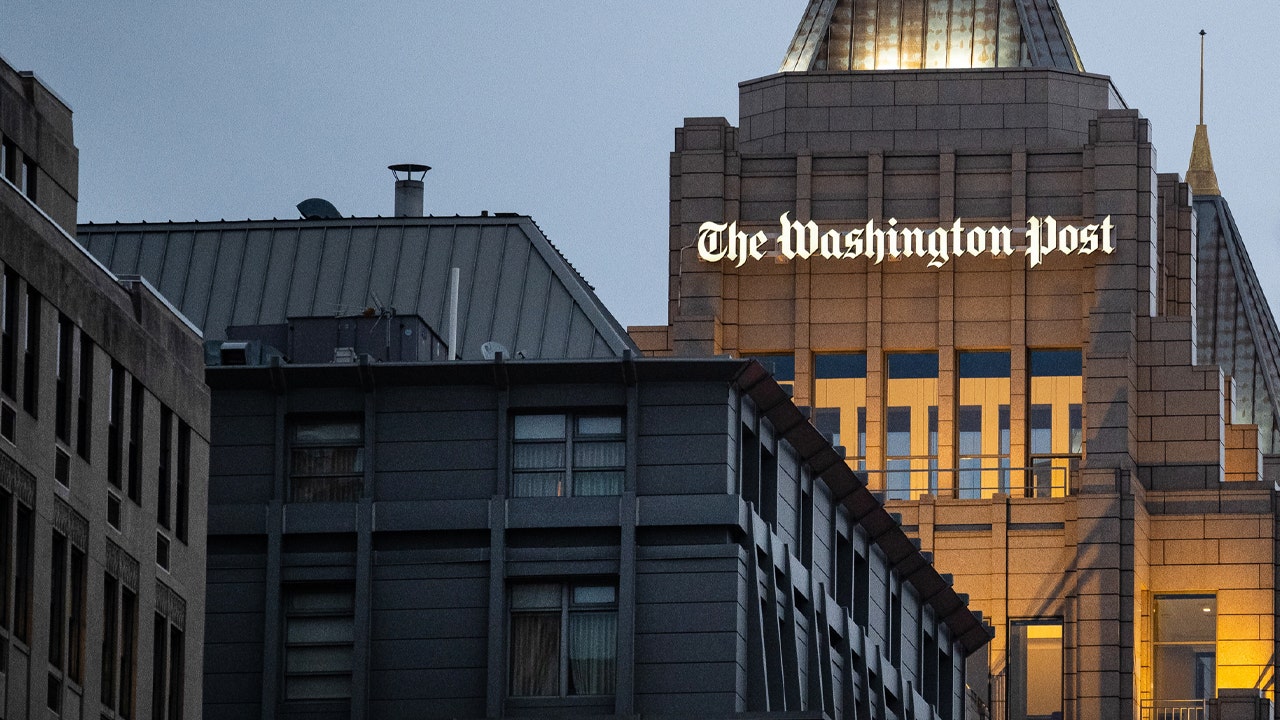
The Washington Post reported that this spring reporter Ellen Nakashima received a federal grand jury subpoena related to reporting on a national security matter. According to the Post, the paper challenged the subpoena in sealed proceedings in the U.S. District Court for the Eastern District of Virginia; the Justice Department then rescinded Nakashima’s subpoena. The Post said three Wall Street Journal journalists who cover national security also received subpoenas that the DOJ later withdrew after similar court challenges. The Post characterized Nakashima’s subpoena as unwarranted and a threat to press freedom; Post leaders issued public statements supporting their reporter and thanking legal counsel. Fox News published a story describing the Post’s account; the DOJ did not immediately comment in that report. The specific scope and targets of the underlying investigations were not made public in the reporting, and none of the named journalists testified before the grand jury, according to the Post.
Biblical Reflection
This story sits at the intersection of two important goods: the public’s right to know and the government’s responsibility to protect legitimate national security secrets. The Washington Post’s account, if accurate, raises a serious First Amendment concern about the government seeking to compel journalists to disclose sources or testimony tied to reporting. At the same time, publicly available reporting is limited by anonymous sourcing and sealed court filings, so independent verification is incomplete. Be aware of framing choices: the Fox article emphasizes the Post’s posture (calling it a “boast”), which shifts the focus from the legal and constitutional issues to the media outlet’s tone. Christians should value a free press as a guard against abuse of power and a means of serving neighborly truth, while also recognizing that secrecy can sometimes be necessary for public safety. We must hold both institutions — the press and the state — to moral accountability: insist on transparency when possible, defend lawful protections for journalists, and demand that any necessary secrecy be narrowly justified and subject to independent judicial scrutiny. Above partisan or corporate loyalties, pursue facts, charity, and the rule of law.
Scripture in context
This outlook does not yet include contextual Scripture citations. Do not treat a general biblical theme as an exegetical conclusion.
Faithful Response
No prescribed response is offered. Consider the reflection prompts below in your own church context.
Reflection and Discussion
- 1Who benefits from emphasizing the paper’s tone (calling it a ‘boast’) rather than focusing on the legal and constitutional questions at stake?
- 2How do we properly balance the church’s support for free speech with recognition that some national security matters may legitimately require confidentiality?
- 3What standards of evidence do we expect before accepting claims that the government acted improperly, and how should anonymous or sealed sources affect our confidence?
Sources
Reporting links are evidence inputs; Sanctuary News' biblical reflection is commentary.
This outlook currently relies on fewer than two linked sources. Broaden verification before teaching from it.
- 1.Original reportprimary