News Summary
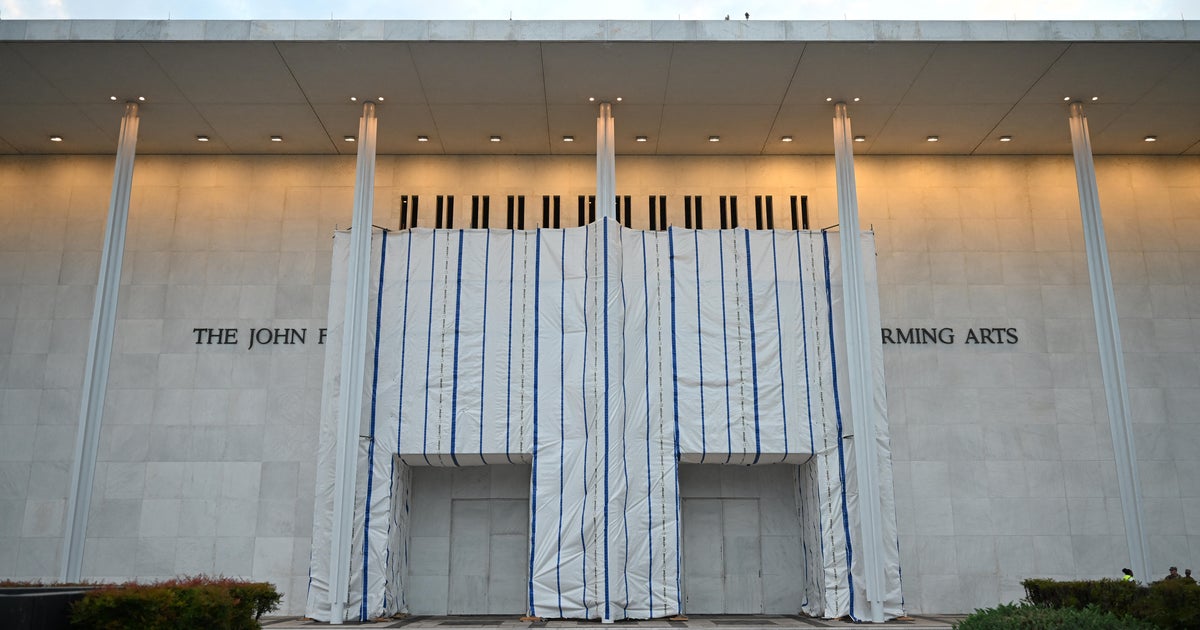
CBS News reports that the Department of Justice, speaking for the Trump administration, warned the Kennedy Center could need to be demolished if a proposed renovation plan — which would close the building for about two years — is blocked. The article describes the renovation as controversial and says it is being pushed by President Trump and the Kennedy Center board. The report does not include the DOJ's full statement, engineering or safety reports, cost estimates, detailed timelines, or responses from the Kennedy Center or independent experts, leaving the technical necessity of demolition unverified.
Source and Framing Analysis
Source attribution: The central factual claim (possible demolition) is attributed by CBS to the Trump administration/DOJ. The article appears to rely on administration statements rather than on independent technical documentation. What is present: a clear attribution of the warning and description of the proposed two‑year closure. What is missing: the primary DOJ statement, engineering or safety assessments, legal analysis, cost estimates, named officials, responses from the Kennedy Center, and voices of affected workers or preservation stakeholders. Framing risk: presenting demolition as an imminent or necessary outcome when based solely on an administration warning risks coercive framing — it can operate as leverage in a political dispute over renovations. Because the report lacks corroborating technical evidence and alternative viewpoints, readers cannot evaluate whether demolition is a genuine safety necessity or a negotiating claim tied to a contested renovation plan.
How sources covered this story
Sanctuary separately assesses reporting quality and alignment with Christian virtues. The virtues assessment considers truthfulness, dignity, compassion, justice, peacemaking, humility, and care for vulnerable people. It does not assess a publisher's faith or reward religious language.
Compare 1 reports
Reporting 72/100Virtues 72/100
- Distinctive contribution
- Attributes an explicit warning from the Trump administration/DOJ that the Kennedy Center could be demolished if a two‑year closure for a renovation project is prevented; notes the renovation is "controversial" and "pushed by President Trump and the organization's board."
- Framing
- Frames the situation as an administration-issued warning implying urgency/risk (possible demolition) tied to a planned two‑year closure for a contentious renovation; characterizes the renovation as controversial and links advocacy to President Trump and the board.
- Omissions or uncertainty
- The excerpt does not identify who in the administration or DOJ made the statement, provide evidence or technical rationale for why demolition would be necessary, cite timelines, legal or safety findings, costs, alternatives, or responses from the Kennedy Center, opponents of the plan, or independent experts. It also doesn’t specify who is blocking the plan or why.
- Why these scores
- The sentence is clear and attributes the claim to the Trump administration/DOJ, which is appropriate for a brief news lead. However, it is vague about the specific source, lacks supporting detail or evidence for the demolition claim, and omits reactions or context that would help evaluate the credibility and seriousness of the warning. For a concise report this is adequate but limited. The excerpt is neutral in tone, does not dehumanize or exploit suffering, and signals controversy rather than taking a partisan stance; this aligns reasonably well with truthfulness and humility. It falls short of higher scores because it omits voices of affected parties and lacks context that could better serve compassion and justice considerations (e.g., impacts on workers, community, preservation concerns).
Biblical Reflection
From a Christian perspective, this situation calls for stewardship, honesty, and care for vulnerable neighbors. Public cultural assets are communal trust; decisions about them should be transparent, accountable, and focused on long‑term common good rather than political expedience. Christians should seek truth and resist panic driven by unsubstantiated ultimatums, while advocating compassion and practical protection for workers, artists, and communities that would be affected by closure or demolition. Humble, patient pursuit of facts, coupled with peaceful civic engagement, best honors justice and mercy.
Scripture in context
- 1Matthew 25:14–30 (Parable of the Talents) — Jesus teaches about entrusted resources, responsibility, and accountability in a household and community context. — Public cultural institutions are shared resources; leaders and communities are called to faithful stewardship, transparent decisions, and accountability rather than fear‑based or short‑term maneuvers.
- 2Micah 6:8 (act justly, love mercy, walk humbly) — A prophetic summons to combine justice, mercy, and humility in communal life and public conduct. — Advocacy and oversight around the Kennedy Center should pursue justice (transparent, lawful processes), mercy (care for workers and communities), and humility (seek facts before assuming worst motives).
Faithful Response
Request primary documents and evidence: ask elected representatives and the Kennedy Center for the DOJ statement, engineering and safety reports, cost estimates, legal analyses, and documented alternatives to demolition.
Advocate for protections: press for explicit plans to protect employees, contract workers, artists, and community programs in any closure, renovation, or demolition scenario.
Support local arts workers practically: organize or publicize emergency resources, referral networks, and mutual‑aid for those whose incomes or gigs may be disrupted.
Promote transparent public process: encourage hearings or independent reviews so decisions about a federally connected cultural institution are evidence‑based and publicly accountable.
Model civil engagement: communicate calmly, avoid amplifying unverified claims, and insist discussion be rooted in verifiable facts and humane concern for affected people.
Reflection and Discussion
- 1What specific technical or legal evidence would change your view about whether demolition is genuinely necessary?
- 2How can Christian communities balance urgency to protect public goods with the patience needed to demand full documentation and due process?
- 3What practical steps should congregations take now to support neighbors who work at or rely on the Kennedy Center?
- 4When political actors present stark either/or choices, how should the church promote truth, protect vulnerable people, and pursue the common good?
Sources
Reporting links are evidence inputs; Sanctuary News' biblical reflection is commentary.
This outlook currently relies on fewer than two linked sources. Broaden verification before teaching from it.
Download source notes