News Summary
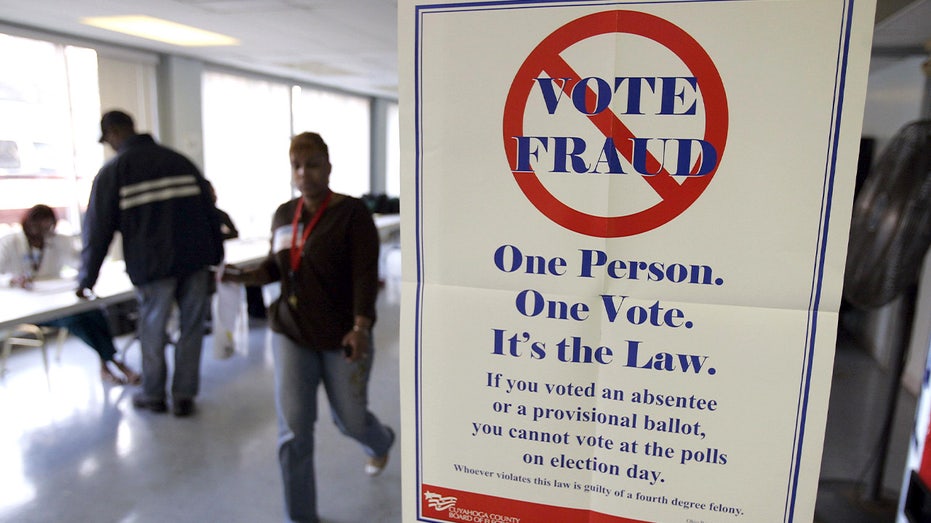
Reported facts: The Fox News piece quotes Harmeet Dhillon saying the Trump Department of Justice will prosecute 'every single' illegal vote identified after reporting about noncitizens on New Jersey voter rolls; Dhillon invoked a 'broken windows' policing analogy. Attributed claims: Dhillon's statements are presented as her position on DOJ enforcement; the article labels the New Jersey rolls issue a 'bombshell.' Uncertainty: The article does not provide primary evidence, data, or official DOJ statements confirming the scope of noncitizen registrations or a formal DOJ prosecutorial policy, leaving key factual questions unresolved.
Source and Framing Analysis
Material uncertainty: the piece relies on statements from a single commentator (Harmeet Dhillon) and characterizes the New Jersey voting-roll finding as a 'bombshell' without presenting underlying documentation or independent verification. Framing effects: use of charged language ('bombshell', 'every single', 'broken windows') emphasizes urgency and criminal response rather than administrative or remedial options, which may shape readers toward a punitive interpretation absent corroborating evidence.
Biblical Reflection
This story raises two Christian priorities: fidelity to truth and compassion toward the vulnerable. Scripture calls believers to seek justice and to care for the neighbor; both must inform how we respond to allegations about elections. A rush to criminalize administrative errors or presumptive wrongdoing risks injuring people who may be innocent or who lack resources to defend themselves. Conversely, ignoring credible evidence of fraud would betray responsibility to the common good.
Consider the ethical implications of enforcement strategies. The 'broken windows' analogy has a contested history: proponents argue it deters small crimes before they escalate; critics point to disproportionate harm to marginalized groups. Christians should evaluate whether proposed policies restore community trust and fairness or deepen fear and exclusion. Where wrongdoing is proven, pursue accountability with due process, proportionality, and avenues for restitution.
Finally, model humility in public conversation. Fast-moving political claims often outpace verifiable facts. Practice withholding definitive judgment until evidence is available, advocate for transparent investigation, and prioritize policies that both secure electoral integrity and protect human dignity.
Scripture in context
- 1Luke 10:25-37 (Parable of the Good Samaritan) — In a teaching about the true meaning of 'neighbor,' Jesus tells a story where a Samaritan cares for a wounded man while religious leaders pass by—highlighting practical compassion across social boundaries. — Apply this pattern when public policy and enforcement decisions affect marginalized people: ensure actions toward justice also include care, protection, and restoration for those who are vulnerable.
- 2Micah 6:8 (ethical summary) — Micah calls the people to act justly, love mercy, and walk humbly with God, summarizing the covenantal ethic expected of God's people in community life. — Use this balance—justice, mercy, humility—as a guide when evaluating calls for aggressive enforcement: seek accountability, but with mercy and humility about our knowledge and impact.
Faithful Response
Pray for discernment for investigators, officials, and communities affected by the allegations.
Avoid sharing or amplifying unverified claims; ask for primary evidence before assuming guilt.
Advocate for transparent, evidence-based processes that include due process protections and administrative corrections where appropriate.
Support local efforts (e.g., voter roll audits, civic education, legal aid) that both protect election integrity and assist those wrongly implicated.
Reflection and Discussion
- 1What standards of evidence and process should Christians insist upon before endorsing criminal enforcement in election matters?
- 2How does the way we talk about alleged wrongdoing reflect either mercy or judgment toward our neighbors?
- 3If enforcement policies disproportionately affect marginalized groups, how should that shape our public and pastoral response?
Sources
Reporting links are evidence inputs; Sanctuary News' biblical reflection is commentary.
This outlook currently relies on fewer than two linked sources. Broaden verification before teaching from it.
- 1.WATCH: Trump DOJ vows to pursue ‘every single’ voting violation after NJ roll shockerprimary_reporting