News Summary
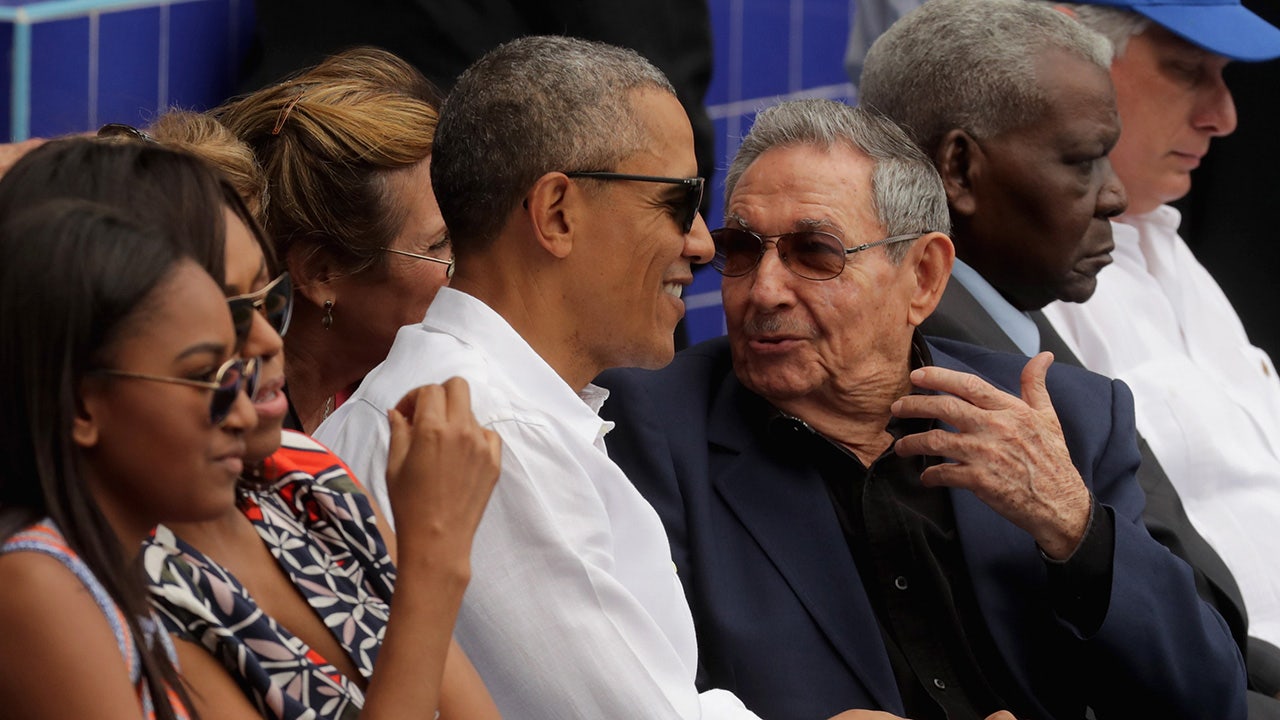
The U.S. Department of Justice on Wednesday unsealed a superseding indictment charging former Cuban President Raúl Castro and five co-defendants in connection with the 1996 shootdown of two civilian aircraft that resulted in the deaths of four U.S. nationals. Acting Attorney General Todd Blanche said the defendants participated in a conspiracy that ended with Cuban military aircraft firing missiles at the planes. The indictment renewed media attention on former President Barack Obama’s 2016 visit to Havana, during which Obama publicly met and embraced Raúl Castro and attended a baseball game with him. Critics—particularly Cuban-American political figures and commentators quoted in this article—argued that the Obama administration’s effort to normalize relations with Cuba granted the regime legitimacy and disrespected victims and dissidents. Social media posts and political figures resurfaced and criticized photos from the 2016 trip after the indictment was announced. Former President Donald Trump and other Republicans commented in support of the DOJ action and criticized prior U.S. policy toward Cuba. The article quotes several critics who contend that engagement with Cuba failed to secure concessions on human rights, counterintelligence, or regional security.
Biblical Reflection
From a Christian perspective, several streams merit attention. First, the unsealing of an indictment for a decades-old, deadly act is legally and morally significant: pursuing accountability for violence honors the biblical concern for justice (e.g., calling wrongdoing to account so victims are not forgotten). Second, the media framing and political reactions illustrate how tragic events and victims’ suffering can be used in partisan messaging. The article links a legal development (the indictment) to political optics from 2016 (President Obama’s meeting with Raúl Castro), which encourages readers to conflate diplomacy with moral endorsement. Christians should note the difference between describing diplomatic engagement and excusing or endorsing evil acts; discerning truth requires careful separation of chronology and causation. Third, the critics’ emphasis on honor toward victims and opposition to normalizing relations with repressive regimes raises legitimate moral questions about the costs and limits of engagement. Scripture calls God’s people to defend the oppressed (Proverbs 31:8–9) and to seek justice, but also to pursue peace and wise stewardship of relationships. Finally, Christians must beware of using victims’ pain simply as a political cudgel; the gospel calls us to lament with those who mourn (Romans 12:15) and to pursue justice with humility rather than partisan triumphalism. Assessing the article’s worldview: it centers a partisan critique (linking a past diplomatic act to an unrelated indictment) and amplifies voices who interpret the optics as moral failure. A prudent Christian response honors victims, seeks factual clarity about legal responsibility, and resists being swept into binary narratives that make diplomacy synonymous with complicity.
Scripture in context
This outlook does not yet include contextual Scripture citations. Do not treat a general biblical theme as an exegetical conclusion.
Faithful Response
No prescribed response is offered. Consider the reflection prompts below in your own church context.
Reflection and Discussion
- 1Does the article present the indictment and the 2016 Havana visit as causally linked, or primarily as politically useful optics—how would you separate factual legal developments from partisan interpretation?
- 2Whose voices are centered in the coverage (victims, political critics, government officials), and how does that selection shape the moral conclusions readers are invited to draw?
- 3As Christians, how do we balance calling for accountability for wrongdoing with exercising wisdom about diplomacy and avoiding the weaponization of victims' suffering for partisan aims?
Sources
Reporting links are evidence inputs; Sanctuary News' biblical reflection is commentary.
This outlook currently relies on fewer than two linked sources. Broaden verification before teaching from it.
- 1.Original reportprimary