News Summary
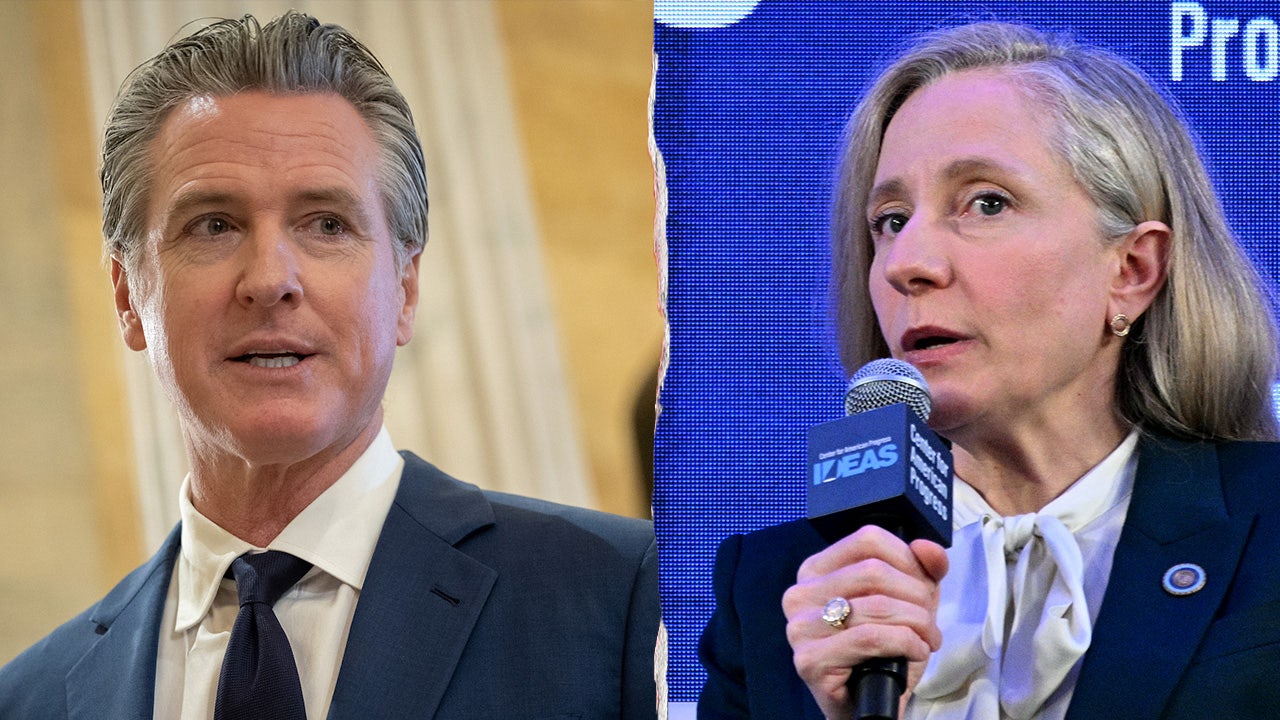
The U.S. Department of Justice filed coordinated lawsuits against California and Virginia challenging recently enacted state firearm restrictions. In California, the DOJ sued shortly after new state handgun rules (including the Unsafe Handgun Act and Penal Code section 27595) took effect; the suit names DOJ civil-rights leadership as counsel and follows a prior notice of intent to sue after state officials declined to negotiate. California Attorney General Rob Bonta defended the laws as safety measures to prevent accidental discharges and conversion of pistols to fully automatic weapons; Governor Gavin Newsom's office said the laws save lives. In Virginia, the DOJ sued over Senate Bill 749, signed by Gov. Abigail Spanberger, which bans the manufacture, sale, transfer, purchase and import of certain semiautomatic firearms. The DOJ framed both suits as enforcement of the Second Amendment after the Supreme Court's decision in Wolford v. Lopez reaffirmed strong constitutional protection for firearms; Virginia officials defended the law as a public-safety measure. State and federal officials and interest groups on both sides have publicly criticized the opposing positions. The lawsuits arrive as the Supreme Court agreed to hear additional Second Amendment cases next term.
Biblical Reflection
This story sits at the intersection of constitutional law, public safety policy, and partisan politics. The reported facts are straightforward: the federal government has sued two states over new gun restrictions, invoking recent Supreme Court guidance. The coverage includes partisan framing and strong rhetoric from both sides, so readers should note where claims emphasize legal principle versus public-safety outcomes. From a Christian perspective we should hold a posture of truth-seeking and humility: affirm the legitimate biblical respect for lawful authority and covenantal order while also remembering the call to protect the vulnerable and pursue peace. Legal arguments about rights matter because they shape who is protected and how; likewise, public-safety arguments matter because lives are at stake. Christians should be cautious of absolutist language and partisan triumphalism on either side — the gospel asks us to reckon with both justice (right order, rule of law, protection of neighbors) and mercy (compassion for victims of violence). Pray for judges, lawmakers, and communities to pursue solutions that reduce harm, respect lawful process, and reflect courage and humility rather than scoring political points.
Scripture in context
This outlook does not yet include contextual Scripture citations. Do not treat a general biblical theme as an exegetical conclusion.
Faithful Response
No prescribed response is offered. Consider the reflection prompts below in your own church context.
Reflection and Discussion
- 1Whose safety and whose rights are centered in the story's legal framing, and whose voices are missing or minimized?
- 2Does the coverage emphasize constitutional principle or public-safety outcomes more, and how does that emphasis shape public judgment?
- 3How can Christians hold lawful civic order and a concern for wounded communities in tension without defaulting to partisan certainty?
Sources
Reporting links are evidence inputs; Sanctuary News' biblical reflection is commentary.
This outlook currently relies on fewer than two linked sources. Broaden verification before teaching from it.
- 1.Original reportprimary