News Summary
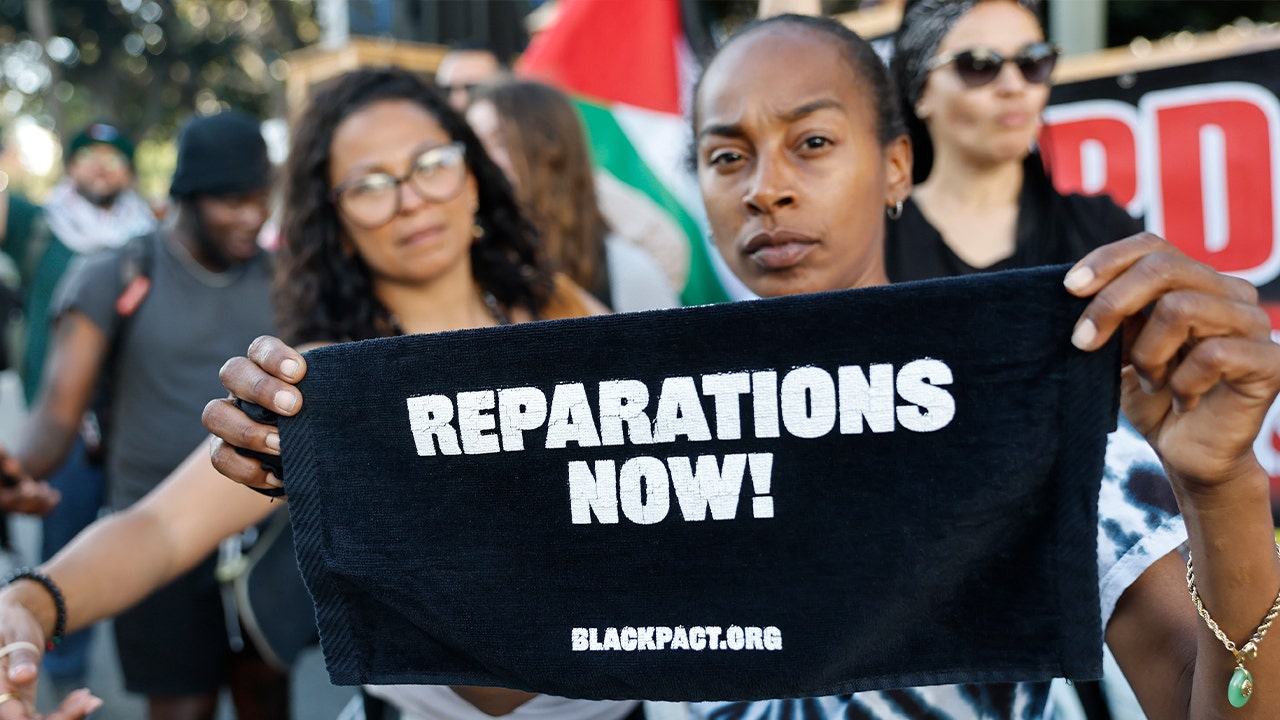
The U.S. Department of Justice's Civil Rights Division filed to join a class-action lawsuit challenging the City of Evanston, Illinois' Local Reparations Restorative Housing Program. Evanston's program, approved in 2019 and launched in 2021, offers $25,000 grants to eligible Black residents or their direct descendants who lived in Evanston as adults between 1919 and 1969 or descend from residents of that era; funds come from a local tax on recreational marijuana sales and more than $7 million of a $20 million allotment has been distributed. Judicial Watch originally sued in May 2024 on behalf of non-Black descendants excluded from the program; in March 2025 U.S. District Judge John F. Kness denied the city's motion to dismiss, allowing the case to proceed. The DOJ argues the program unlawfully distributes public benefits based on race, violating the Equal Protection Clause and the Fair Housing Act, and contends the program is not narrowly tailored because it does not require individuals to prove personal, government-inflicted harm. Assistant Attorney General Harmeet K. Dhillon said the department's approach follows recent Supreme Court precedent and criticized officials she characterized as "virtue signaling;" she also indicated the DOJ is monitoring other local reparations efforts, including in Asheville/Buncombe County. The DOJ’s request to formally intervene is pending and litigation and investigation are ongoing. The City of Evanston has stood by the program but declined further comment due to active litigation.
Biblical Reflection
This story sits at the intersection of two legitimate aims: the pursuit of lawful, constitutional governance and the impulse to repair historic racial injustices. The DOJ’s intervention raises a real legal question — whether race-based government benefits can meet the constitutional standard of strict scrutiny — and the courts are the proper forum to weigh that. At the same time, the article’s language and quoted phrases such as "virtue signaling" and "system of spoils" are politically charged and shape readers’ perceptions; they reflect a worldview that prioritizes individual legal equality and skepticism of group-based remedies. A Christian reading should resist simplistic binaries. Seeking justice for historical wrongs reflects biblical concern for the oppressed, yet Christians also respect the rule of law and the equal dignity of all persons. Beware of rhetoric that reduces complex moral claims to political advantage or that dismisses victims' legitimate claims. Pastoral discernment calls for honest attention to both the moral case for repair and the civil-legal constraints that protect all citizens' rights; the church can model humility, listen to those harmed, and advocate for remedies that are both restorative and legally sound.
Scripture in context
This outlook does not yet include contextual Scripture citations. Do not treat a general biblical theme as an exegetical conclusion.
Faithful Response
No prescribed response is offered. Consider the reflection prompts below in your own church context.
Reflection and Discussion
- 1Do race-based government remedies that aim to repair historical wrongs meet the standards of justice and legal equality, and how do we weigh those commitments?
- 2How does politically charged language (e.g., "virtue signaling") change what we believe about motives and moral claims in public policy debates?
- 3When Christians evaluate policies addressing racial injustice, how should we balance zeal for repair with respect for constitutional processes and the rule of law?
Sources
Reporting links are evidence inputs; Sanctuary News' biblical reflection is commentary.
This outlook currently relies on fewer than two linked sources. Broaden verification before teaching from it.
- 1.Original reportprimary