News Summary
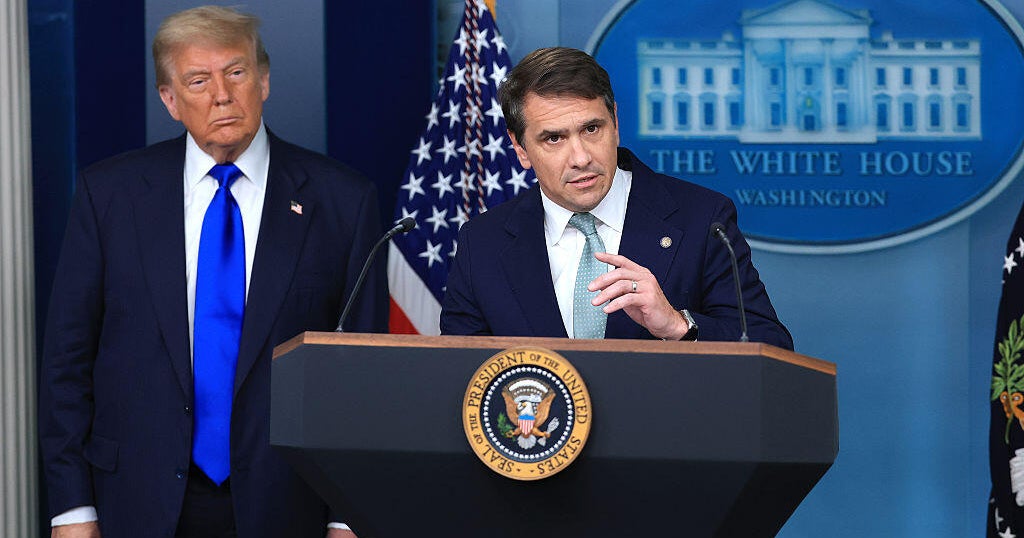
A federal judge in Alexandria, Virginia (Judge Leonie Brinkema) ordered a preliminary injunction blocking the Justice Department from creating or operating a proposed $1.776–1.8 billion “anti-weaponization” fund and asked senior officials to file sworn declarations that the program will not proceed in any form. Senior Justice Department lawyers declined the judge’s demand, calling such a declaration unnecessary and raising separation-of-powers objections; they pointed to prior public and court statements by Acting Attorney General Todd Blanche and filings asserting the fund “is not moving forward.” Plaintiffs — a coalition including two nonprofits, a former federal prosecutor, and the city of New Haven — challenged the program after it was created as part of a settlement tied to President Trump’s lawsuit against the IRS over leaked tax returns. Plaintiffs and their lawyers say the administration has not provided sworn, detailed assurances or evidence of compliance with the court’s directives; the judge has expressed skepticism about unsworn statements and the case remains active. Other related legal challenges are pending in Washington, D.C., and California, with mixed interim rulings.
Biblical Reflection
The article shows a legal and constitutional dispute over transparency, accountability, and executive power. From a Christian perspective, the core issues are truth, stewardship, and trust. The Justice Department insists it has publicly and procedurally abandoned the fund, but courts and plaintiffs seek sworn, verifiable assurances because unsworn assertions do not resolve doubts about future governmental action. Christians should value both legitimate concerns about executive overreach and the need to preserve separation of powers; skepticism toward opaque decisions is warranted when public funds and legal remedies are involved. At the same time, avoid rushing to character judgments: the dispute is about legal proof and process rather than proven malfeasance. Prudence, insistence on transparent accountability, and a commitment to fair process reflect biblical commitments to justice and responsible stewardship of communal resources.
Scripture in context
This outlook does not yet include contextual Scripture citations. Do not treat a general biblical theme as an exegetical conclusion.
Faithful Response
No prescribed response is offered. Consider the reflection prompts below in your own church context.
Reflection and Discussion
- 1Does the refusal to provide sworn declarations reflect a principled separation-of-powers concern, or does it deepen legitimate public distrust about how public funds might be used?
- 2How should Christians balance respect for institutional boundaries with a demand for concrete, verifiable accountability from those who manage public resources?
- 3What forms of evidence or assurance should satisfy the public that a controversial government program will not be revived under another name?
Sources
Reporting links are evidence inputs; Sanctuary News' biblical reflection is commentary.
This outlook currently relies on fewer than two linked sources. Broaden verification before teaching from it.
- 1.Original reportprimary