News Summary
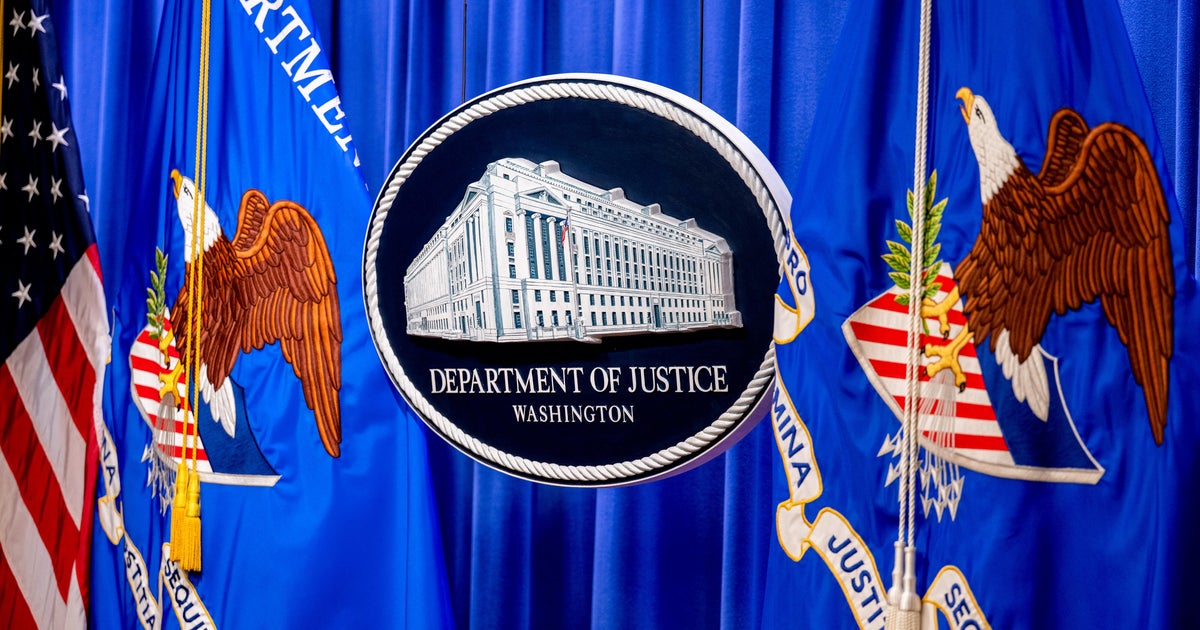
The Department of Justice's Office of Legal Counsel issued an opinion concluding that disparate-impact liability under federal civil-rights law is unconstitutional, arguing that it pressures employers to make race-based decisions to avoid liability. The opinion was signed by OLC Assistant Attorney General T. Elliot Gaiser and Deputy Assistant Attorney General Joshua Craddock and was endorsed in statements from Acting Attorney General Todd Blanche. The DOJ said employers may therefore use tools such as aptitude tests and criminal-background checks without fear of disparate-impact claims based solely on differing outcomes among demographic groups. The article notes the opinion does not carry the force of a court ruling but is likely to make it harder for employees bringing discrimination claims with the EEOC to prevail. The piece also references the DOJ's prior rulemaking that limited disparate-impact liability under Title VI and quotes DOJ civil-rights officials who argued disparate-impact doctrine enabled challenges to neutral policies without proof of intent.
Biblical Reflection
This development raises serious questions about how our legal system balances formal neutrality and substantive fairness. The OLC opinion represents an administrative legal view, not a court determination, but it shapes enforcement priorities and can narrow remedies for people harmed by policies that produce unequal results. Christians should notice two competing impulses: a desire for impartial rule-application and a biblical concern for the vulnerable whose lives are affected by entrenched injustices. If enforcement tools that exposed systemic effects are limited, employers and institutions may face less pressure to change practices that, while neutral in form, perpetuate unequal outcomes. The article frames the opinion largely from the DOJ perspective and highlights officials who support the change; it gives less attention to workers, civil-rights advocates, or legal scholars who contest the claim that disparate-impact doctrine is unconstitutional. Pastoral discernment calls us to be wary of arguments that equate ‘neutrality’ with justice when outcomes show persistent harm, and to press both for lawful processes and for accountability where policies systematically disadvantage neighbors.
Scripture in context
This outlook does not yet include contextual Scripture citations. Do not treat a general biblical theme as an exegetical conclusion.
Faithful Response
No prescribed response is offered. Consider the reflection prompts below in your own church context.
Reflection and Discussion
- 1When a policy appears neutral but produces persistent unequal outcomes, does relying on 'intent' alone adequately protect those harmed?
- 2Whose interests are centered when enforcement power shifts from agency guidance to narrower legal interpretations?
- 3How should Christians weigh commitments to rule-following against a moral duty to correct systems that repeatedly disadvantage the vulnerable?
Sources
Reporting links are evidence inputs; Sanctuary News' biblical reflection is commentary.
This outlook currently relies on fewer than two linked sources. Broaden verification before teaching from it.
- 1.Original reportprimary