News Summary
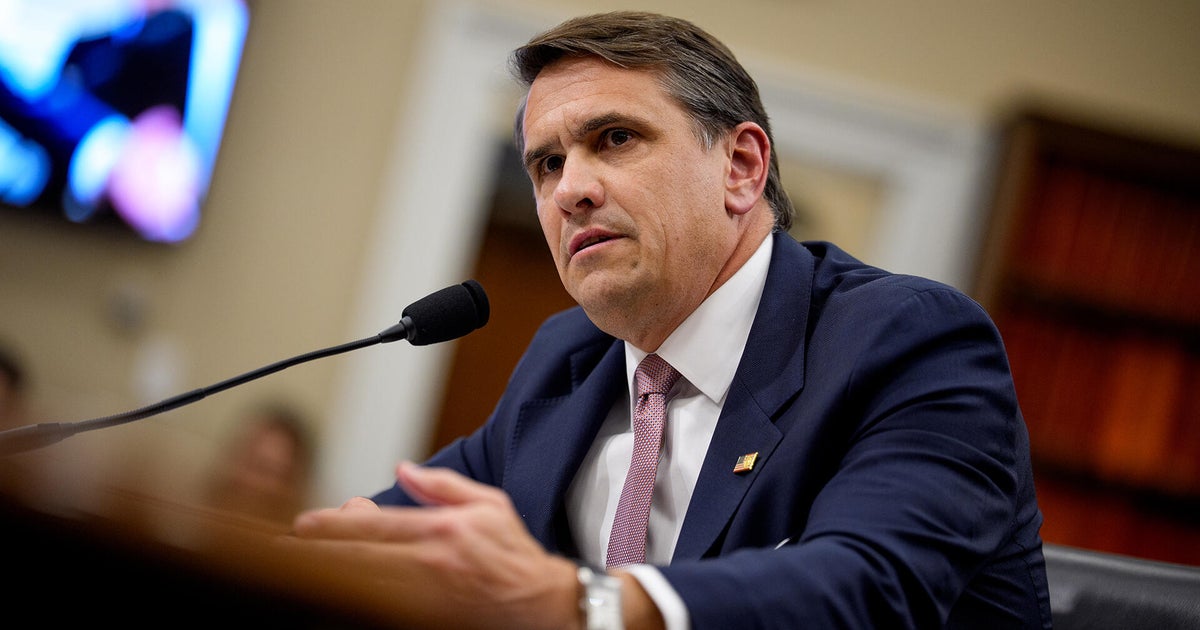
In written court filings on June 5, 2026, the Justice Department asked two federal courts to dismiss or decline further relief in lawsuits challenging a planned $1.7 billion “anti-weaponization fund,” arguing the cases are moot because Acting Attorney General Todd Blanche has said the fund is not moving forward. The filings in Alexandria, Virginia, and Washington, D.C., signed by Associate Attorney General Stanley Woodward and counsel Andrew Block, said plaintiffs lack a justiciable claim and that the courts should not intervene in a political process now concluded. The fund was part of a settlement tied to former President Trump's civil suit over an IRS leak of his tax returns; it would have provided awards to people described as victims of “lawfare and weaponization.” Plaintiffs include Citizens for Responsibility and Ethics in Washington and a group including a former Jan. 6 prosecutor. Last week, U.S. District Judge Leonie Brinkema temporarily barred the Justice Department from disbursing funds while she considers longer-term relief. Acting AG Blanche had told a House committee the program was “not moving forward” but earlier refused to put that promise in writing. President Trump publicly defended the proposal. The DOJ filings also contend plaintiffs would not likely prevail on the merits and argued courts should not substitute for political decisionmaking. Other terms of the Trump-IRS settlement remain in effect, including a provision restricting IRS actions related to prior tax returns.
Biblical Reflection
From a Christian perspective, this story raises concerns about the proper ordering of justice, stewardship of public resources, and the temptation to use legal settlements for political ends. The Department of Justice’s written withdrawal of the fund may respond to public outcry over potential payouts to participants in criminal or violent acts, which would trouble any ethic that values accountability and protection of the vulnerable. At the same time, the dispute highlights how political bargaining can shape legal outcomes and how quickly executive promises made orally can change when placed under legal scrutiny. Christians should be attentive to truth (are facts being fully disclosed?), justice (are victims and the rule of law respected?), and humility (are leaders transparent about motives and limits). The article’s framing is largely factual, but readers should note the political context and partisan stakes that shape both the fund’s proposal and reactions to its suspension. Pray for courts to exercise impartiality, for leaders to pursue fair remedies rather than political advantage, and for public institutions to steward resources with accountability and care for neighbors harmed by wrongdoing.
Scripture in context
This outlook does not yet include contextual Scripture citations. Do not treat a general biblical theme as an exegetical conclusion.
Faithful Response
No prescribed response is offered. Consider the reflection prompts below in your own church context.
Reflection and Discussion
- 1Does resolving disputes through settlements that allocate large public funds risk substituting political dealmaking for transparent justice?
- 2When officials reverse course verbally versus in writing, what should that teach us about demanding accountability and clarity from leaders?
- 3How do we weigh compassion for those who feel wronged against the need for accountability when public funds and public trust are at stake?
Sources
Reporting links are evidence inputs; Sanctuary News' biblical reflection is commentary.
This outlook currently relies on fewer than two linked sources. Broaden verification before teaching from it.
- 1.Original reportprimary