News Summary
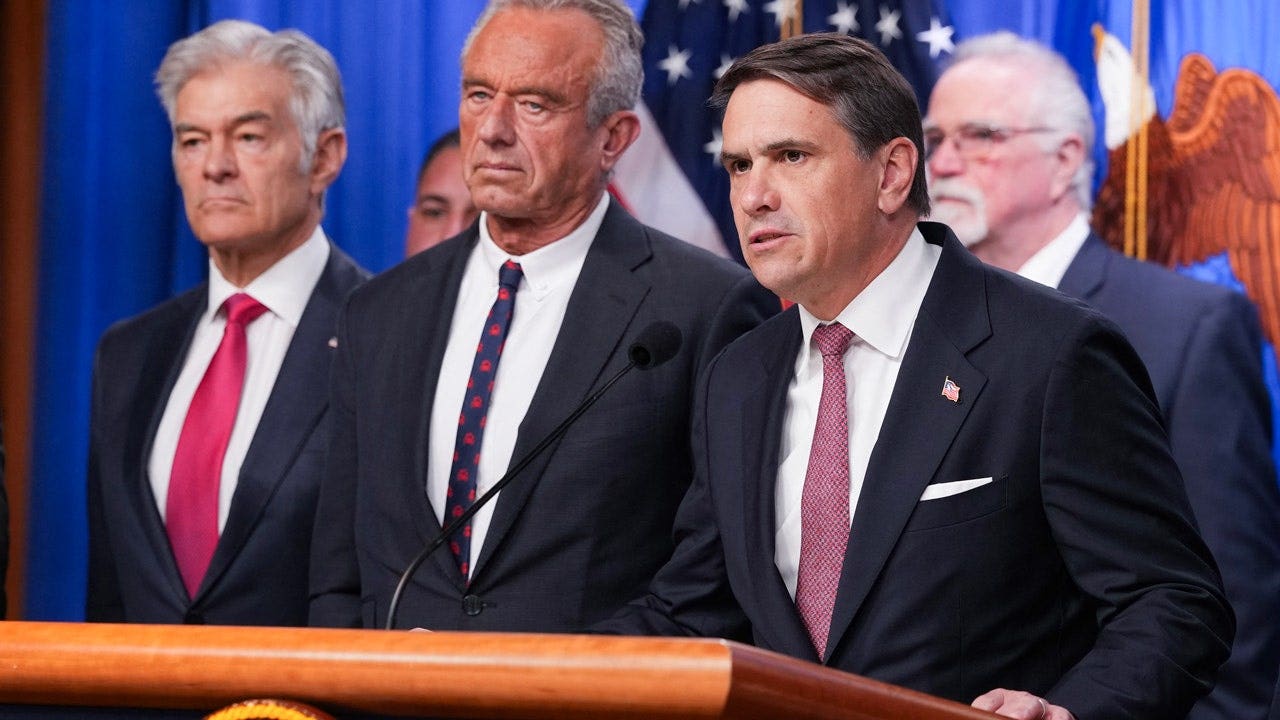
The Department of Justice announced a nationwide enforcement action called the 2026 National Health Care Fraud Takedown charging 455 defendants across 45 states in schemes that allegedly stole more than $6.5 billion from Medicare and Medicaid programs. As part of that operation, federal prosecutors in the Central District of California charged 10 Southern California defendants with multiple alleged schemes, including one involving nearly $270 million in fraudulent Medi‑Cal claims (with prosecutors saying Medi‑Cal paid out more than $178 million on those claims) and another hospice-related case that allegedly billed Medicare about $27 million. Authorities arrested at least five people in the Los Angeles area; one named defendant, Christina Mareik (also known as Christina Marie Sanchez Hernandez), was arrested June 17 and is accused of facilitating fraudulent prescriptions and submitting thousands of false prescriptions. The indictments include counts for conspiracy to commit health care fraud, health care fraud, aggravated identity theft, transactions of criminally derived property over $10,000, and Anti‑Kickback Statute violations. Acting Attorney General Todd Blanche characterized the operation as the largest combined federal and state effort against health care fraud in U.S. history and warned of asset seizures and prosecution; the FBI also added two fugitives to a most‑wanted fraud list in connection with the takedown. The reporting names several other defendants from the region and notes that some allegedly diverted proceeds into luxury items, citing government allegations.
Biblical Reflection
From a Christian perspective this story raises two clear moral concerns: the exploitation of public resources intended for the vulnerable, and the corrosive power of greed. The allegations describe taking taxpayer‑funded care dollars—meant for seniors, low‑income patients, and the medically needy—and diverting them for private gain; if true, that is an affront to justice and neighbor‑love. The article largely reports official allegations and prosecutorial statements, which reflect the state's responsibility to pursue justice; readers should remember charges are not convictions and allow for due process. The coverage also leans into punitive and dramatic details (luxury purchases, large dollar totals), a common news emphasis that highlights scale and wrongdoing but may understate systemic problems—gaps in oversight, incentives that enable fraud, and how patients and frontline caregivers are affected. Pastoral discernment calls us to hold three commitments simultaneously: seek truthful accountability for wrongdoing, advocate for systems that protect the vulnerable and reduce opportunities for fraud, and resist cheap triumphalism — praying for repentance and restoration for people harmed or implicated. The underlying worldview driving these schemes, if proven, is materialism and self‑interest at the expense of communal care; the Christian response should center justice, restitution where possible, and stronger stewardship of public trust.
Scripture in context
This outlook does not yet include contextual Scripture citations. Do not treat a general biblical theme as an exegetical conclusion.
Faithful Response
No prescribed response is offered. Consider the reflection prompts below in your own church context.
Reflection and Discussion
- 1Whose needs and trust are most directly harmed when public health dollars are diverted, and how does that change how we evaluate the seriousness of these crimes?
- 2Am I accepting media framing of scale and spectacle without asking about due process, systemic causes, and protections for victims?
- 3Beyond prosecution, what reforms or stewardship practices would prevent similar exploitation of public health programs in the future?
Sources
Reporting links are evidence inputs; Sanctuary News' biblical reflection is commentary.
This outlook currently relies on fewer than two linked sources. Broaden verification before teaching from it.
- 1.Original reportprimary