News Summary
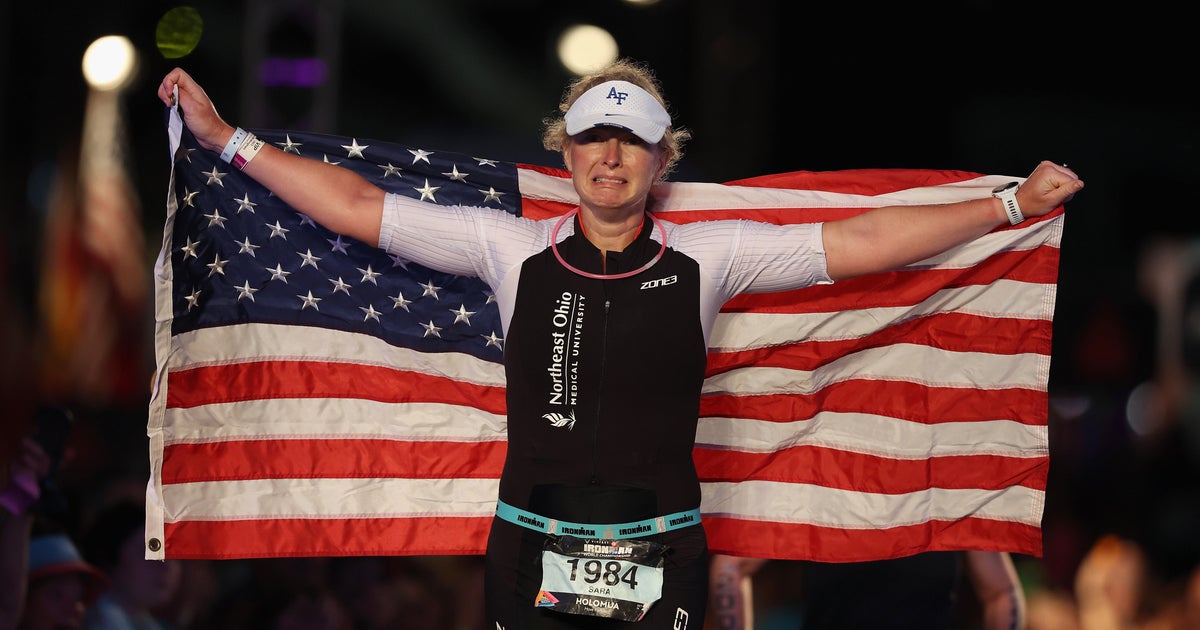
Dr. Sara Whittingham, a 46-year-old anesthesiologist and Air Force veteran, experienced mild symptoms in 2020 (forgetfulness, gait stiffness, an arm tremor) and was diagnosed with Parkinson's disease at a Cleveland Clinic regional hospital. After initial anxiety and depression, she enrolled in a Cleveland Clinic–linked study run by Dr. Jay Alberts examining the effects of aerobic exercise on Parkinson's progression. The research identified that maintaining a cycling cadence of about 75 rotations per minute for 30–40 minutes, at least three times weekly, was associated with slowed disease progression in study participants. Her neurologist, Dr. Ben Walter, said the mechanism is unclear and likely multifactorial but noted exercise can strengthen body and brain health. Participation in the studies led Whittingham to increase physical training, join community exercise research in 2025, compete in triathlons including the 2023 Ironman World Championship, attempt U.S. Paralympic qualifying events in 2024, and take on advocacy roles (speaking at a Michael J. Fox forum and serving on an NIH advisory council). She is writing a book about her experience. The article emphasizes both the personal benefits Whittingham reports and ongoing research into community-based exercise programs for people with Parkinson's.
Biblical Reflection
This story highlights hope, human resilience, and promising clinical research without claiming a cure. The article responsibly pairs a compelling personal testimony with references to ongoing studies and expert caution about mechanisms, but readers should note the narrative emphasis on one successful participant can create an impression that similar outcomes are guaranteed for all patients. From a Christian perspective, the piece models faithful stewardship of physical gifts (careful use of body, commitment to research, and service to others), the importance of community encouragement, and courage in suffering. It also calls us to humility: medical advances and patient stories are gifts to celebrate, yet they do not remove the need for compassion toward those whose disease courses differ. Christians are invited to support sound science, advocate for those who suffer, and balance celebration of individual triumph with realistic care for the broad and ongoing needs of vulnerable neighbors.
Scripture in context
This outlook does not yet include contextual Scripture citations. Do not treat a general biblical theme as an exegetical conclusion.
Faithful Response
No prescribed response is offered. Consider the reflection prompts below in your own church context.
Reflection and Discussion
- 1Does the article treat a single inspiring recovery as representative, and how should that shape our expectations about medical outcomes?
- 2What assumptions about control, independence, and worth show up when we celebrate athletic achievements in the face of chronic illness?
- 3How can we hold together praise for medical progress and persistent compassion for those whose conditions do not improve similarly?
Sources
Reporting links are evidence inputs; Sanctuary News' biblical reflection is commentary.
This outlook currently relies on fewer than two linked sources. Broaden verification before teaching from it.
- 1.Original reportprimary