News Summary
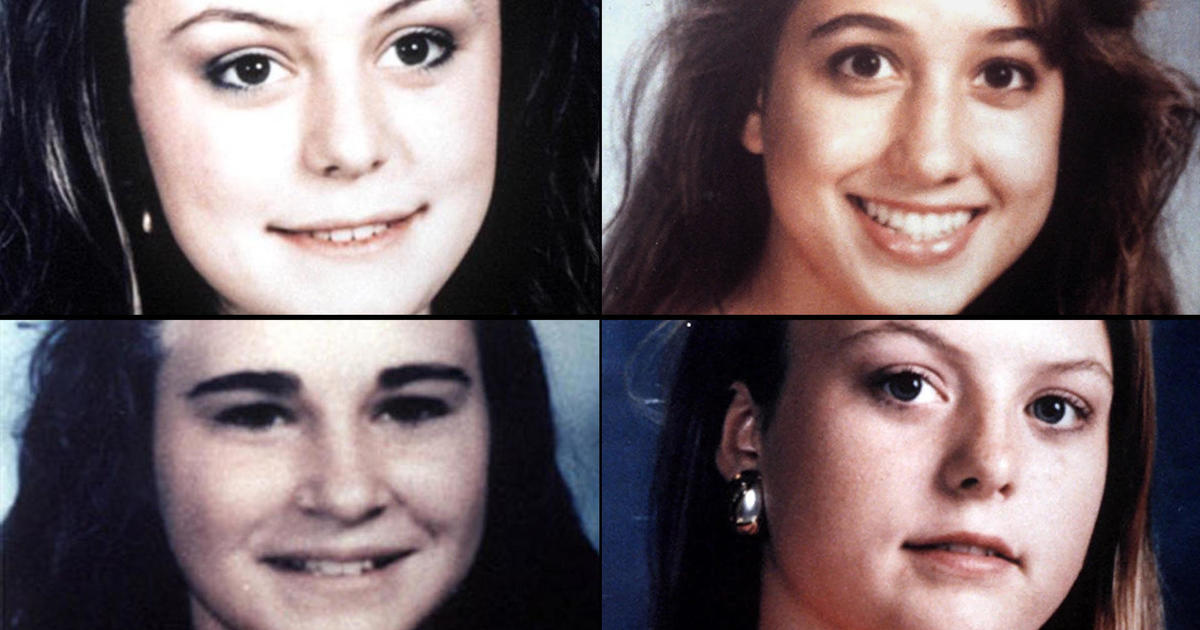
On Dec. 6, 1991, four teenage girls — Eliza Thomas (17), Jennifer Harbison (17), Sarah Harbison (15) and Amy Ayers (13) — were gagged, tied with clothing, shot, and the yogurt shop they were in was set on fire in Austin, Texas. The fire and arson destroyed evidence and complicated forensic work. Investigators pursued hundreds of leads over decades, interviewed numerous suspects, and obtained multiple confessions that later proved inconsistent or were recanted. In 1999 four men (Maurice Pierce, Forrest Welborn, Michael Scott and Robert Springsteen) were arrested; Pierce and Welborn never were convicted, and Scott and Springsteen were later tried and convicted (Springsteen sentenced to death; Scott to life). Their convictions were overturned years later on Sixth Amendment confrontation grounds. DNA testing (Y‑STR testing) on a vaginal swab in 2009 produced a partial male profile that did not match the previously convicted men; subsequent genetic genealogy and database searches produced leads and a potential FBI sample match in 2017 that was later excluded. In September 2025, Austin police identified Robert Eugene Brashers, deceased, as a suspect tied to the murders through DNA testing. On Feb. 19, 2026, a judge formally declared innocent and exonerated the four men wrongfully accused; in May 2026 the City of Austin agreed to a $35 million settlement to be split among them. The case spurred legislative attention, including the Homicide Victims' Families' Rights Act (signed in 2022) to allow family requests for federal review of cold cases using modern technology. The murders and the long investigation have left enduring trauma for victims' families, investigators, and the Austin community.
Biblical Reflection
This story reveals both the necessity and limits of human institutions: the pursuit of justice endured for decades, but was hampered by destroyed evidence, investigative missteps, coerced or unreliable confessions, and wrongful prosecutions that compounded the victims' families' suffering. Advances in DNA science eventually produced leads that changed the course of the case, demonstrating the importance of patient, evidence-based inquiry and humility before uncertainty. The article largely reports facts and first‑person accounts; its central worldview is one of seeking closure through truth and technological progress. From a Christian pastoral perspective, the right pursuit of truth must be coupled with mercy and care for the vulnerable — both the bereaved and the wrongfully accused. Christians should lament the injustice and trauma described, advocate for systems that protect the innocent and support victims, and resist simplistic certainty when evidence is thin. The community needs restorative action: truthful accountability, compassionate care for grieving families, and structural reforms to reduce coercive interrogation and ensure forensic evidence is preserved and ethically used. Finally, hope in scientific tools must be tempered by the recognition that no forensic breakthrough erases grief; the church is called to accompany suffering people with presence and patience.
Scripture in context
This outlook does not yet include contextual Scripture citations. Do not treat a general biblical theme as an exegetical conclusion.
Faithful Response
No prescribed response is offered. Consider the reflection prompts below in your own church context.
Reflection and Discussion
- 1Where might institutional pressure, confirmation bias, or the need for closure have shaped investigative choices and confessions in this case?
- 2How should Christians weigh confidence in technological advances (like DNA genealogy) against the ongoing pastoral need to comfort victims and repair harm caused by wrongful convictions?
- 3What structural changes — in policing, prosecution, and victim support — would reflect both justice and mercy in light of this case?
Sources
Reporting links are evidence inputs; Sanctuary News' biblical reflection is commentary.
This outlook currently relies on fewer than two linked sources. Broaden verification before teaching from it.
- 1.Original reportprimary