News Summary
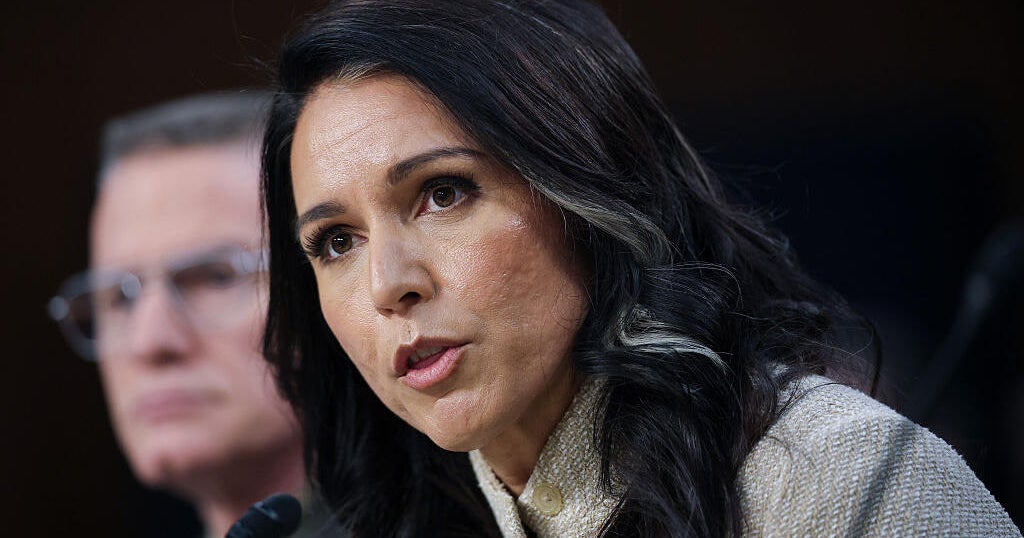
On April 15, 2026, CBS News reported that Director of National Intelligence Tulsi Gabbard asked the Justice Department to investigate two former government officials connected to President Trump's first impeachment: an anonymous 2019 whistleblower and former Intelligence Community Inspector General Michael Atkinson. Gabbard's office confirmed she drafted criminal referrals but did not specify alleged crimes. The referrals followed Gabbard's public criticism of Atkinson's handling of the 2019 whistleblower complaint and the release of related documents from her office. The original 2019 complaint alleged President Trump pressured Ukrainian President Volodymyr Zelenskyy to investigate former Vice President Joe Biden and raised concerns about records of a Trump–Zelenskyy phone call and Rudy Giuliani's role. The complaint helped prompt the House's 2019 impeachment of Trump; the Senate acquitted him in early 2020. The CBS story notes the documents Gabbard released do not provide direct evidence of criminal conduct. Atkinson was removed from his role by President Trump in 2020 and has defended his actions. The referral was first reported by Fox News. Critics, including Rep. Jim Himes, say the referrals risk chilling future whistleblowers; no decision by DOJ to open a criminal investigation has been reported.
Biblical Reflection
This report describes a political and legal escalation rooted in actions from the 2019 impeachment episode. From a Christian perspective, the core concerns are truth, justice, and the protection of those who expose wrongdoing. The article itself reports facts but also signals partisan dynamics: Gabbard's presentation of documents and rhetoric about a "deep state" suggest an intent to re-litigate past political battles, while critics warn of undermining whistleblower protections. Scripture calls Christians to pursue justice (Micah 6:8) and to speak truth (Ephesians 4:25), but also to act with humility and restraint (James 1:19). Two cautions for the Christian reader: first, avoid assuming political motives negate the possibility of legitimate accountability — allegations should be evaluated on evidence, not on tribal allegiance; second, be careful not to weaponize disclosures in ways that discourage lawful, principled whistleblowing. Procedural justice matters: criminal referrals are a step toward potential investigation, but they are not proof of criminality. Christians should pray for integrity in institutions, for fair and impartial application of the law, and for the protection of vulnerable witnesses, while resisting conspiratorial or vindictive narratives that bypass careful, evidence-based processes.
Scripture in context
This outlook does not yet include contextual Scripture citations. Do not treat a general biblical theme as an exegetical conclusion.
Faithful Response
No prescribed response is offered. Consider the reflection prompts below in your own church context.
Reflection and Discussion
- 1What specific evidence does the referral cite, and does the public release of documents advance truth or primarily political aims?
- 2How does the framing of this action ("criminal referral") affect public perception before prosecutors review evidence, and what responsibility do leaders have to guard institutions and whistleblowers?
- 3Am I interpreting this development through partisan lenses, or am I assessing it by consistent standards of justice, truth, and due process?
Sources
Reporting links are evidence inputs; Sanctuary News' biblical reflection is commentary.
This outlook currently relies on fewer than two linked sources. Broaden verification before teaching from it.
- 1.Original reportprimary