News Summary
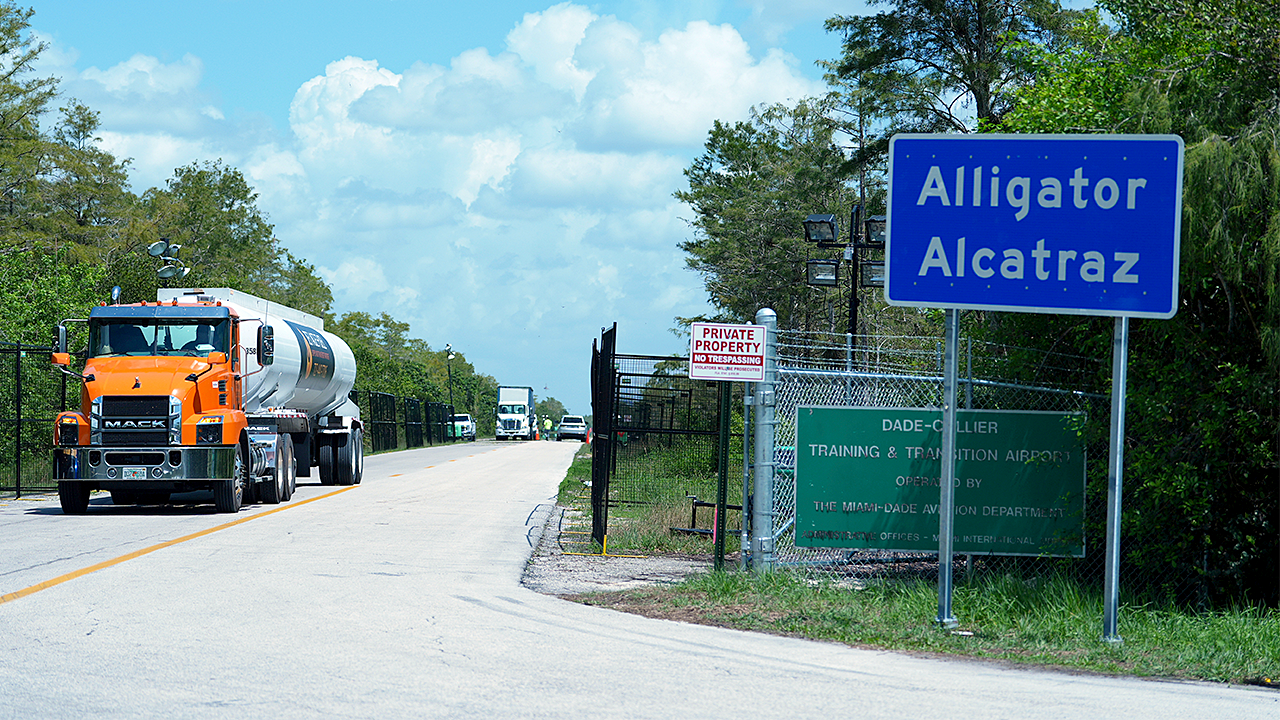
The Department of Homeland Security announced that all detainees held at the state-run migrant detention facility in the Florida Everglades — widely called "Alligator Alcatraz" — have been transferred to other facilities because of concerns about the hurricane season. DHS did not specify how many detainees were moved or whether the transfers are temporary or long-term. Some transfers are reported to include a move to an ICE facility in Sanderson, Florida. The announcement followed the National Hurricane Center reporting the season's first tropical storm off the Texas coast. The facility opened July 3, 2025; officials say it was intended to be temporary and it has processed and deported more than 20,000 detainees since opening. Detainees and lawyers have alleged harsh conditions and mistreatment at the Everglades site, including restricted access to counsel and unsanitary conditions; the ACLU has filed a lawsuit. Immigration advocates say recent transfers and loss of contact with transferred detainees suggest the moves are not solely weather-driven. The article also includes a line attributing to Homeland Security Secretary Markwayne Mullin an announcement about 146,000 unaccompanied migrant minors (as presented in the piece).
Biblical Reflection
Viewed through a Christian lens, this story raises two overlapping concerns: the immediate welfare and dignity of vulnerable people in custody, and the public's need for truthful, transparent governance. If DHS moved detainees for genuine safety reasons, that aligns with the Christian duty to protect the vulnerable. But credible allegations of poor conditions, restricted legal access, and transfers that make contact difficult point to moral failures that demand accountability. The article uses charged labels and a sensational nickname that can shape readers' feelings toward detainees before facts are clear; that framing risks hardening hearts rather than encouraging careful moral judgment. Faith calls us to hold both governments and advocates accountable: demand accurate information, insist on humane treatment for migrants, and oppose cruelty whether for expedience, politics, or cost-saving. At the same time, Christians should resist settling for simplistic explanations — whether dismissing safety concerns as mere pretext or accepting official statements without scrutiny — because truth and mercy require both compassion and careful inquiry.
Scripture in context
This outlook does not yet include contextual Scripture citations. Do not treat a general biblical theme as an exegetical conclusion.
Faithful Response
No prescribed response is offered. Consider the reflection prompts below in your own church context.
Reflection and Discussion
- 1Whose dignity and access to justice might be affected by transfers that are explained vaguely or carried out with little transparency?
- 2How does the language and imagery used by reporters and officials (nicknames, labels) shape our sympathy or suspicion toward detained people?
- 3What institutional checks — legal access, independent inspection, public reporting — are needed so safety measures don't become a cover for diminished rights?
Sources
Reporting links are evidence inputs; Sanctuary News' biblical reflection is commentary.
This outlook currently relies on fewer than two linked sources. Broaden verification before teaching from it.
- 1.Original reportprimary