News Summary
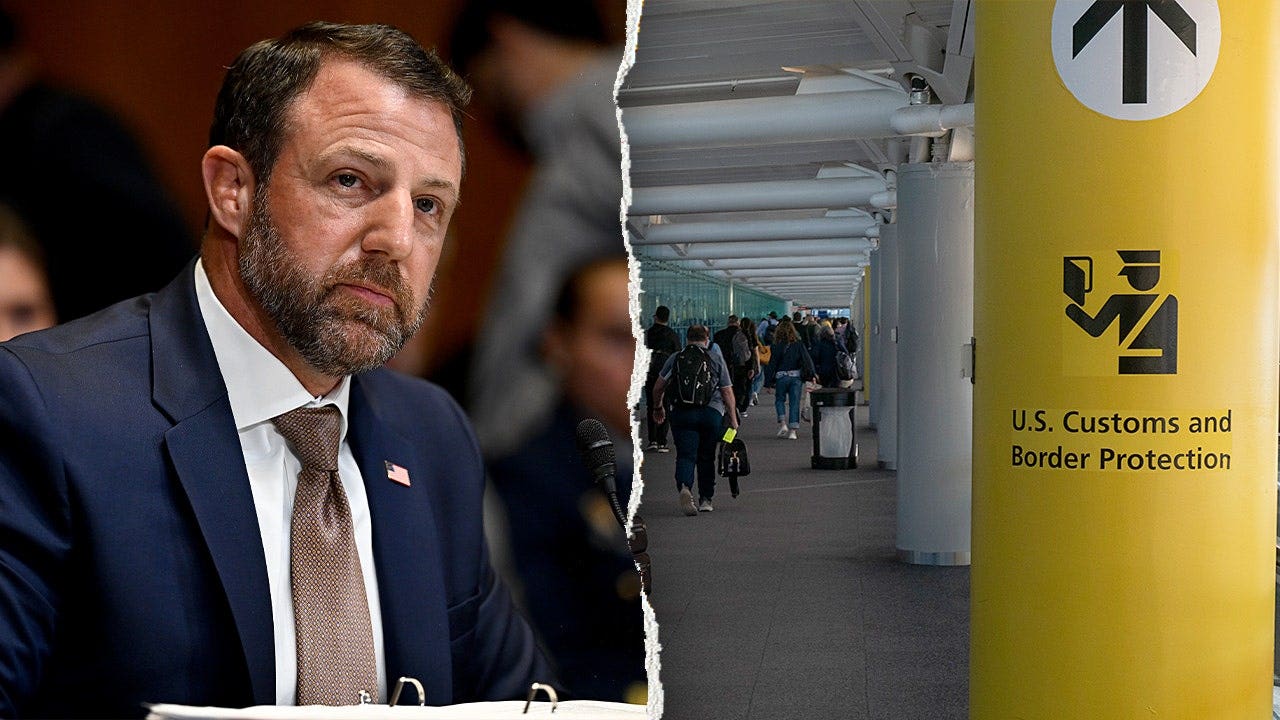
The U.S. Supreme Court recently lifted lower-court orders that had delayed the termination of Temporary Protected Status (TPS) for nationals of Haiti and Syria, ruling that the TPS statute bars judicial review of nonconstitutional claims and finding Haitian challengers unlikely to succeed on an equal protection claim. The Trump administration has moved to end TPS for roughly 330,000 Haitian beneficiaries. On CNN, Homeland Security Secretary Markwayne Mullin defended plans for removals, saying TPS was not intended to be permanent, noting beneficiaries had opportunities to pursue visas or lawful permanent residency, and asserting DHS has deportation-flight options and will provide travel assistance and about $2,100 for those who choose to return. Anchor Jake Tapper pressed Mullin on timing and safety, citing State Department Level 4 travel warnings, U.N. and Human Rights Watch reports of widespread violence in Haiti (including cited figures of more than 8,100 killings, over 1,200 sexual-violence cases, and 1.4 million displaced people), and limits on commercial flights to Port-au-Prince. Mullin responded that the U.S. travel advisory is aimed at U.S. travelers and described risks including kidnappings targeting foreigners; he said DHS expects to operate full deportation flights and can access locations where commercial travel is restricted. The interview centered on whether and when deportations will begin, how they will be carried out logistically, and whether returns would place people back into unsafe conditions.
Biblical Reflection
This story pits legal authority and immigration enforcement against urgent humanitarian concerns. The Supreme Court ruling affirms a narrow reading of the TPS statute and limits judicial oversight, which is a legal outcome deserving sober attention; at the same time, reports from independent humanitarian organizations and the State Department paint a picture of significant violence and instability in Haiti. Christians should resist reducing this to partisan talking points. Truth requires acknowledging both: the government has legal prerogatives to end temporary designations and enforce immigration law, and there are plausible, documented risks to people returned to Haiti. A Christian response calls for clear-eyed scrutiny of claims on both sides (logistical assurances from DHS and violence statistics from humanitarian groups), insistence on humane processes that protect vulnerable people, and pressure for transparency and coordination with international relief organizations. Pastoral wisdom asks leaders to pursue both justice and mercy—ensuring the rule of law is respected while preventing foreseeable harm to those who lack safe alternatives. Finally, beware of framing that treats human beings principally as policy problems or political leverage; the vulnerable deserve advocacy, dignity, and accurate information about risks and options.
Scripture in context
This outlook does not yet include contextual Scripture citations. Do not treat a general biblical theme as an exegetical conclusion.
Faithful Response
No prescribed response is offered. Consider the reflection prompts below in your own church context.
Reflection and Discussion
- 1Which sources are we privileging when we judge whether returns are safe—the legal authority of a court, government assurances about logistics, or independent humanitarian assessments—and why?
- 2How should a government weigh legal duty to enforce immigration rules against the foreseeable human cost of returning people to violence and displacement?
- 3Are public statements from officials and media providing enough transparency about timing, safeguards, and alternatives for those affected?
Sources
Reporting links are evidence inputs; Sanctuary News' biblical reflection is commentary.
This outlook currently relies on fewer than two linked sources. Broaden verification before teaching from it.
- 1.Original reportprimary