News Summary
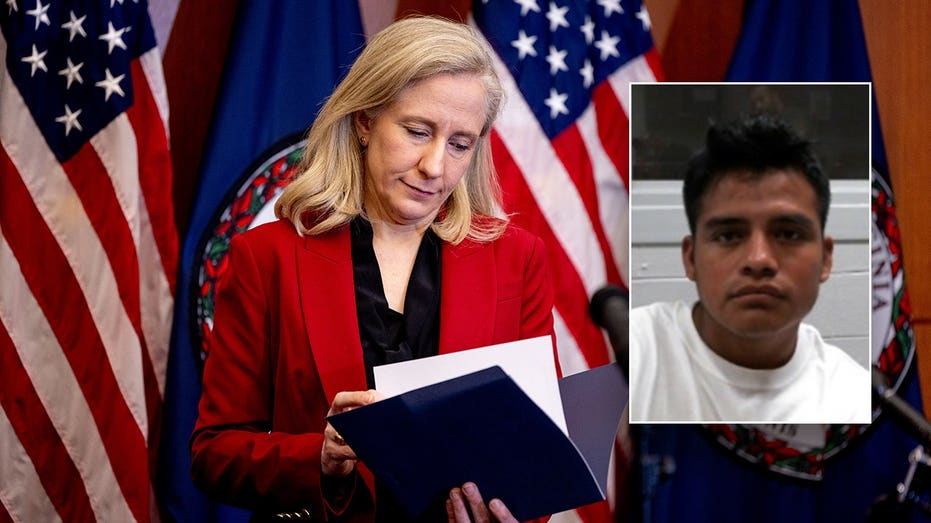
Reported facts: Fox News reports a DHS statement saying Virginia Governor Abigail Spanberger rolled back a 287(g) agreement and that DHS described Virginia as a 'hotbed' of illegal-immigrant crime. Attributed claims: DHS, as reported, links that rollback to a toddler's killing and attributes blame for elevated illegal-immigrant crime to the policy change. Uncertainties: the article does not supply the DHS statement text, official Virginia documentation of the rollback, crime data showing trends before and after the policy change, nor details about the toddler killing (timing, suspect's immigration status, charges, or investigation results).
Source and Framing Analysis
The article centers a DHS allegation and uses charged language ('hotbed') that conveys urgency and blame. It appears to rely on a single source—DHS as cited by the reporter—without presenting supporting documents, crime statistics, law-enforcement reports, or the state's account. This framing can lead readers to accept causal links (policy → increased crime → specific homicide) that the piece has not demonstrated. The story therefore contains a mix of reported attribution and assertions that require independent verification.
Biblical Reflection
The Christian response to news that links policy decisions to a tragic death should begin with humility and a careful search for facts. Scripture calls us to pursue justice and to defend the vulnerable; that includes insisting on clear evidence before assigning moral or legal blame and ensuring that victims and their families receive care and truth. Quick assertions that conflate policy change with criminal behavior risk turning complex social problems into scapegoating.
At the same time, the gospel summons us to compassion for those in need, including immigrants who may be vulnerable to exploitation or unfair treatment. Public safety and neighbor-love are not mutually exclusive. Christians should resist narratives that harden hearts or inflame fear, and instead press for policies and practices that protect communities, respect due process, and provide humane care for all neighbors.
Practically, that means demanding transparent information from officials, supporting victims with pastoral and material care, and advocating for policy debate conducted in truth and charity rather than slogans. Where officials or agencies make claims, ask for documentation; where communities suffer, offer concrete help.
Scripture in context
- 1Isaiah 1:17 — In Isaiah, a prophetic challenge to religious ritualism insists that true faith shows itself in defending the oppressed and pursuing justice; the oracle critiques leaders who neglect ethical action. — This passage calls Christians to press for justice and protection for the vulnerable—demanding clear facts and fair processes when a community is harmed, and practical steps to defend those at risk.
- 2Luke 10:25–37 (Parable of the Good Samaritan) — Jesus tells a story that reframes who is a 'neighbor' by showing mercy across social and ethnic boundaries, rebuking those who pass by suffering. — The parable prompts us to care for a wounded child or grieving family without letting ethnic, national, or legal status dictate compassion; it also warns against dehumanizing rhetoric in public life.
- 3Romans 13:1–7 — Paul addresses Christian submission to governing authorities as God-ordained for the sake of order and justice, while also acknowledging the role of government in punishing wrongdoing. — This passage supports seeking lawful processes, transparent accountability, and engagement with civic structures when policy or enforcement is in dispute.
Faithful Response
Pray for the victim's family, for investigators, and for immigrant and local communities affected by fear and grief.
Seek verified information: request the DHS statement, state records about the 287(g) change, police reports, and independent crime data before drawing policy conclusions.
Support both care for the victim (pastoral counseling, practical assistance) and due-process protections for accused persons and humane treatment for migrants.
Encourage local congregations to host fact-finding conversations with law enforcement, social-service providers, and immigrant-rights or victim-advocate organizations to reduce fear and increase mutual aid.
Reflection and Discussion
- 1Am I demanding verified facts before accepting or sharing an allegation that blames a person or policy for a tragedy?
- 2How are grief and fear shaping the public language around this incident, and how should that shape our pastoral response?
- 3Who in my community is most vulnerable to being scapegoated by this narrative, and how can I help protect them?
Sources
Reporting links are evidence inputs; Sanctuary News' biblical reflection is commentary.
This outlook currently relies on fewer than two linked sources. Broaden verification before teaching from it.
- 1.Spanberger's ICE rollback to blame for toddler killing, Virginia 'hotbed' of illegal immigrant crime: DHSprimary_reporting