News Summary
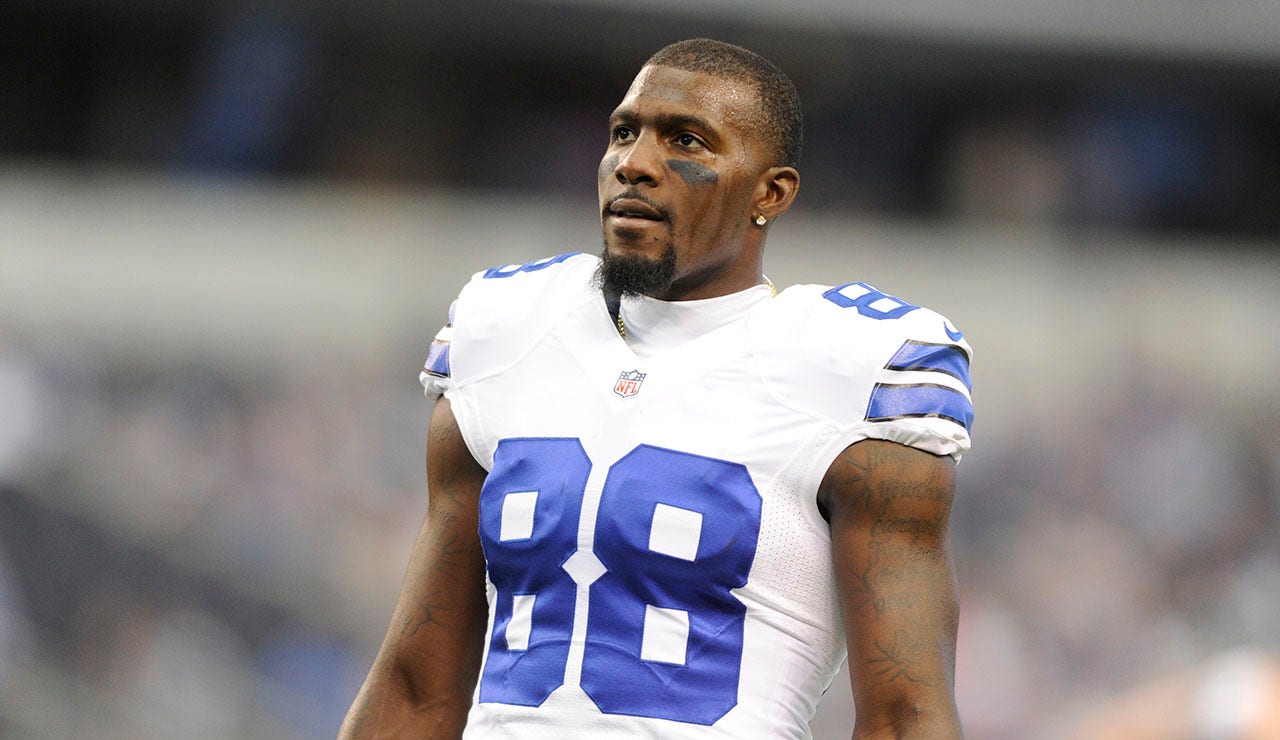
Jaxson Dart, quarterback for the New York Giants, introduced former President Donald Trump at a May 22, 2026 rally in Suffern, New York. Defensive teammate Abdul Carter publicly criticized Dart’s decision on the social platform X, saying a player who is the face of the franchise should not align with someone like Trump and that he felt responsible to speak out. Dart and Carter later addressed the matter at the Giants’ practice facility; both spoke to reporters, affirmed they do not hate each other, and were pictured embracing while changing positions at the podium. Dart said he respected the office of the presidency and cited family military service in explaining his participation. Carter said some matters are bigger than football and that he intends to stand on his beliefs. Head coach John Harbaugh and backup quarterback Jameis Winston commented that they were proud of the players for discussing the issue and said the team was moving forward. Former NFL receiver Dez Bryant posted on X defending Dart and questioning the criticism aimed at him, saying politics and religion are difficult topics for athletes and that people have a right to their beliefs.
Biblical Reflection
This story sits at the intersection of sports, personal conscience, and public politics. Objectively, the article reports competing statements from players and leaders without claiming facts beyond those remarks. The situation highlights two legitimate goods: individual freedom of conscience (Dart's choice to participate) and the responsibility public figures have because their actions reflect on their team and community (Carter’s concern). Christian wisdom calls us to hold both commitments together: to defend the right of individuals to act according to conscience while also caring for neighbors who are affected by public actions. The article’s framing — emphasizing controversy and social-media reactions — risks encouraging quick judgment and tribalizing responses. A faithful Christian response resists reducing people to their political gestures, seeks truth (what motivated each person), practices humility (recognizing our own blind spots), and maintains courage to speak and love to preserve relationships. Pastoral care also reminds believers that public endorsement is a form of witness; Christians should think carefully about how private convictions are expressed publicly and be ready to explain motivations with charity and clarity.
Scripture in context
This outlook does not yet include contextual Scripture citations. Do not treat a general biblical theme as an exegetical conclusion.
Faithful Response
No prescribed response is offered. Consider the reflection prompts below in your own church context.
Reflection and Discussion
- 1When public figures make political gestures, are we responding first with curiosity (to understand motive) or with instant judgment?
- 2How should team leaders balance a player's freedom of conscience with the shared identity and witness of the team?
- 3Does our reaction prioritize tribal loyalty over the call to love and listen to those who are harmed or uneasy?
Sources
Reporting links are evidence inputs; Sanctuary News' biblical reflection is commentary.
This outlook currently relies on fewer than two linked sources. Broaden verification before teaching from it.
- 1.Original reportprimary