News Summary
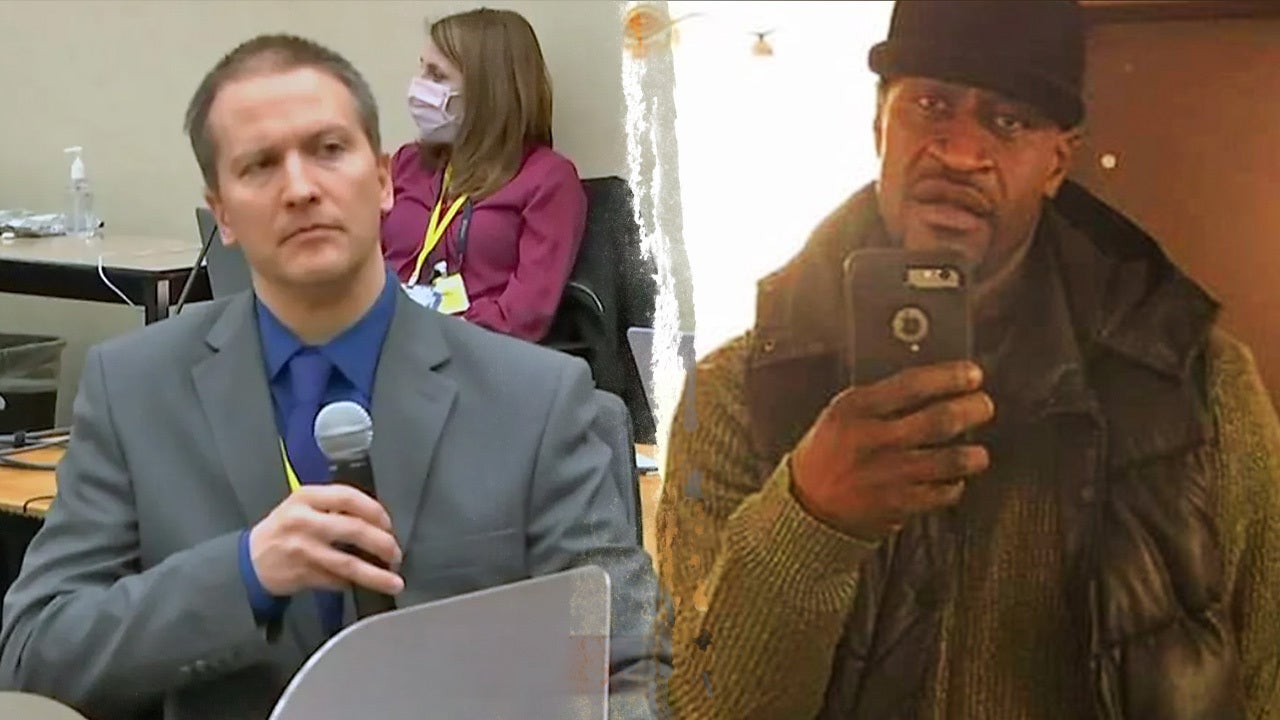
Derek Chauvin, the former Minneapolis police officer convicted in April 2021 of murder in the death of George Floyd, filed an appeal after a judge denied his petition for post-conviction relief. Chauvin's petition, initially filed in November 2025 and denied in a 41-page order on May 1, argued that prosecutors improperly relied on video evidence, that jury instructions were legally flawed, and that police testimony included falsehoods, among other claims. The judge rejected the petition largely on procedural grounds under Minnesota's Knaffla rule, which bars raising issues in post-conviction proceedings that were or could have been raised on direct appeal. Chauvin's current counsel, Gregory Joseph, who did not represent him at trial, filed the appeal of the denial on June 29. Chauvin was sentenced to 22 1/2 years; the underlying case involved video showing Chauvin kneeling on Floyd's neck for nine minutes and 29 seconds, which contributed to Floyd's fatal loss of oxygen to the brain.
Biblical Reflection
This report concerns the normal workings of the appeals process after a high-profile criminal conviction. From a Christian perspective, the pursuit of legal avenues is consistent with seeking truthful adjudication and ensuring that justice is done according to law. At the same time, Christians should be alert to how procedural arguments can be presented in ways that minimize the harm experienced by victims and communities; coverage that reiterates graphic details can retraumatize and shape public emotion. The article is largely factual but leans toward legal proceduralism without deeper context about appellate standards or the Knaffla rule, which could leave readers with an incomplete sense of why many claims are barred at the post-conviction stage. Christians should hold both commitments: to the rule of law and to compassion for those harmed. Pray for clear, impartial judicial discernment, humility among advocates, and healing for families and communities affected by this tragedy.
Scripture in context
This outlook does not yet include contextual Scripture citations. Do not treat a general biblical theme as an exegetical conclusion.
Faithful Response
No prescribed response is offered. Consider the reflection prompts below in your own church context.
Reflection and Discussion
- 1How does coverage of procedural appeals shape our sense of whether justice has been served, even when it focuses on technical legal rules?
- 2Are we allowing empathy for either the accused or the victim to eclipse a sober assessment of the facts and the rule of law?
- 3What responsibilities do Christians have when public discourse around crime and punishment becomes polarized—toward truth, mercy, and communal healing?
Sources
Reporting links are evidence inputs; Sanctuary News' biblical reflection is commentary.
This outlook currently relies on fewer than two linked sources. Broaden verification before teaching from it.
- 1.Original reportprimary