News Summary
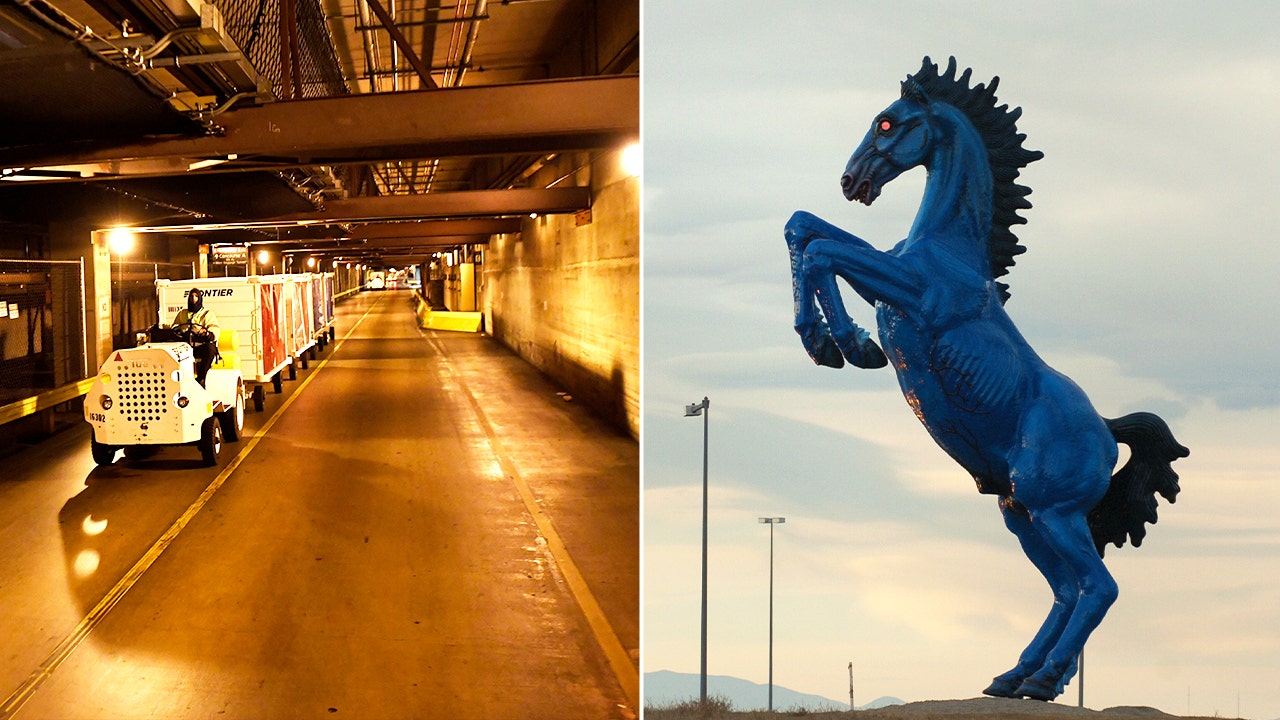
Denver International Airport (DIA) announced plans to convert portions of its underground baggage tunnels into pedestrian walkways connecting concourses A, B and C as part of its 'Vision 100' expansion to handle future passenger growth. Construction is expected to begin in 2027. The project is estimated to cost between $300 million and $700 million and will be funded from airport revenue, not taxpayer dollars, officials said. Currently, passengers move between concourses primarily via the airport’s underground train. DIA’s underground tunnel system has long been the subject of public speculation and conspiracy theories related to secret facilities and unusual airport artwork; the announcement prompted online jokes referencing those theories and the airport’s blue horse sculpture. Denver Mayor Mike Johnston commented that giving travelers access may help them distinguish fact from fiction. Fox News Digital reported the announcement, noted public reactions online, and said it reached out to the airport for further comment.
Biblical Reflection
The airport’s decision is an infrastructural and operational choice aimed at improving passenger circulation as the facility grows. Reporting highlights both practical facts (cost, timeline, funding source, current train system) and the cultural folklore that has built up around DIA. From a Christian perspective, there are several threads to notice: truth and transparency matter—public speculation often fills gaps left by delayed projects, large budgets, or opaque decisions; media coverage that foregrounds sensational theories can amplify fear and mockery rather than promote understanding; and people drawn to conspiracy narratives often respond to real anxieties about institutions, identity, and power. The article largely reports the airport’s plans accurately but leans into the airport’s conspiratorial reputation for color and clicks, which risks trivializing legitimate concerns about stewardship of public resources and community trust. Christians are called to seek and speak the truth kindly, to advocate for transparency and responsible use of resources, and to welcome the anxious and curious with patient explanations rather than ridicule. At the same time, we should avoid validating baseless claims; pastoral charity means addressing the root fears that give rise to conspiratorial thinking while insisting on verified facts.
Scripture in context
This outlook does not yet include contextual Scripture citations. Do not treat a general biblical theme as an exegetical conclusion.
Faithful Response
No prescribed response is offered. Consider the reflection prompts below in your own church context.
Reflection and Discussion
- 1What institutional gaps (delays, cost overruns, limited communication) can create the conditions where conspiracy narratives take hold?
- 2How does sensational framing in media shape public trust in civic institutions, and how should Christians weigh curiosity against responsible skepticism?
- 3In responding to public myths, are we more likely to build trust by dismissing, debunking, or patiently explaining — and what does love require of us when people cling to fearful stories?
Sources
Reporting links are evidence inputs; Sanctuary News' biblical reflection is commentary.
This outlook currently relies on fewer than two linked sources. Broaden verification before teaching from it.
- 1.Original reportprimary