News Summary
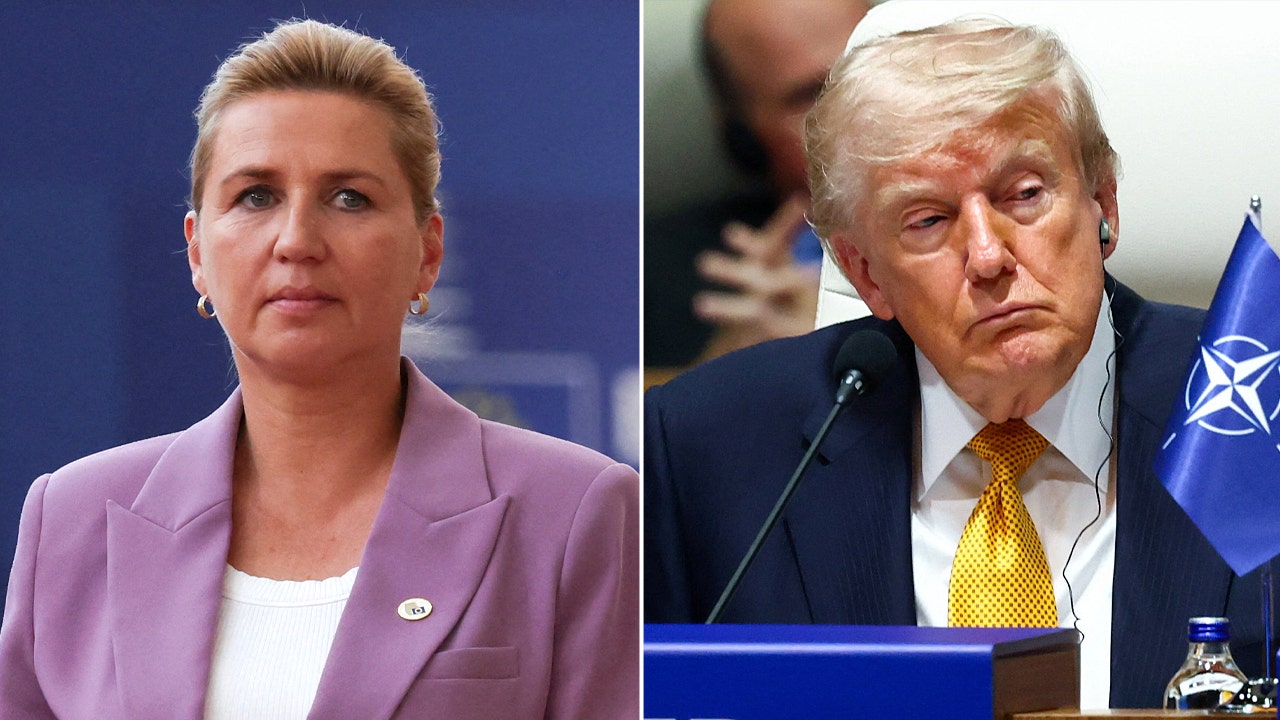
At the 2026 NATO leaders summit in Ankara, President Donald Trump reiterated that the United States should control Greenland for strategic reasons, saying the island is important to the U.S. and suggesting Denmark is not adequately supporting Greenland. Denmark’s prime minister, Mette Frederiksen, responded that "Greenland is not for sale," affirmed Denmark’s readiness to defend its territory, and urged allies to respect Greenlanders' right to self-determination and Denmark’s sovereignty. Iceland’s prime minister said Greenland’s people do not wish to join the United States and urged NATO to focus on Russia. NATO leaders discussed defense spending and other security issues at the summit, including recent U.S. strikes on Iran and Ukraine’s war; Secretary-General Mark Rutte and others sought to reassure President Trump about allied contributions. The exchange injected a territorial dispute into discussions about alliance unity and European defense responsibilities.
Biblical Reflection
From a Christian perspective this story raises questions about power, respect, and neighbor-love. Sovereignty and the self-determination of a people are matters of justice and dignity; pushing for control of another nation or territory in the name of security risks paternalism and treats people as strategic assets rather than neighbors to be honored. At the same time, genuine security concerns and alliance burdens are real and require honest discussion. Christians should watch for rhetoric that reduces complex human communities to geopolitical prizes, and for transactional thinking that privileges short-term advantage over faithful stewardship and peaceable relationships. The article reflects competing worldviews: a security-first, transactional posture that can justify assertive control, and a sovereignty-and-rights posture that emphasizes political self-determination and respect for smaller peoples. A faithful Christian response calls for courage to speak for the vulnerable, humility in international dealings, truthful reporting of motives and consequences, and a pursuit of peace that honors both security and human dignity.
Scripture in context
This outlook does not yet include contextual Scripture citations. Do not treat a general biblical theme as an exegetical conclusion.
Faithful Response
No prescribed response is offered. Consider the reflection prompts below in your own church context.
Reflection and Discussion
- 1Am I hearing this dispute primarily as a security issue or as a question of human dignity and self-determination, and how does that shape my judgement?
- 2Where does rhetoric about 'protection' cross into paternalism or disregard for the will of local people, and how should Christians weigh competing claims of safety and sovereignty?
- 3What hidden assumptions about power and entitlement shape how leaders and media frame territory and security in international disputes?
Sources
Reporting links are evidence inputs; Sanctuary News' biblical reflection is commentary.
This outlook currently relies on fewer than two linked sources. Broaden verification before teaching from it.
- 1.Original reportprimary