News Summary
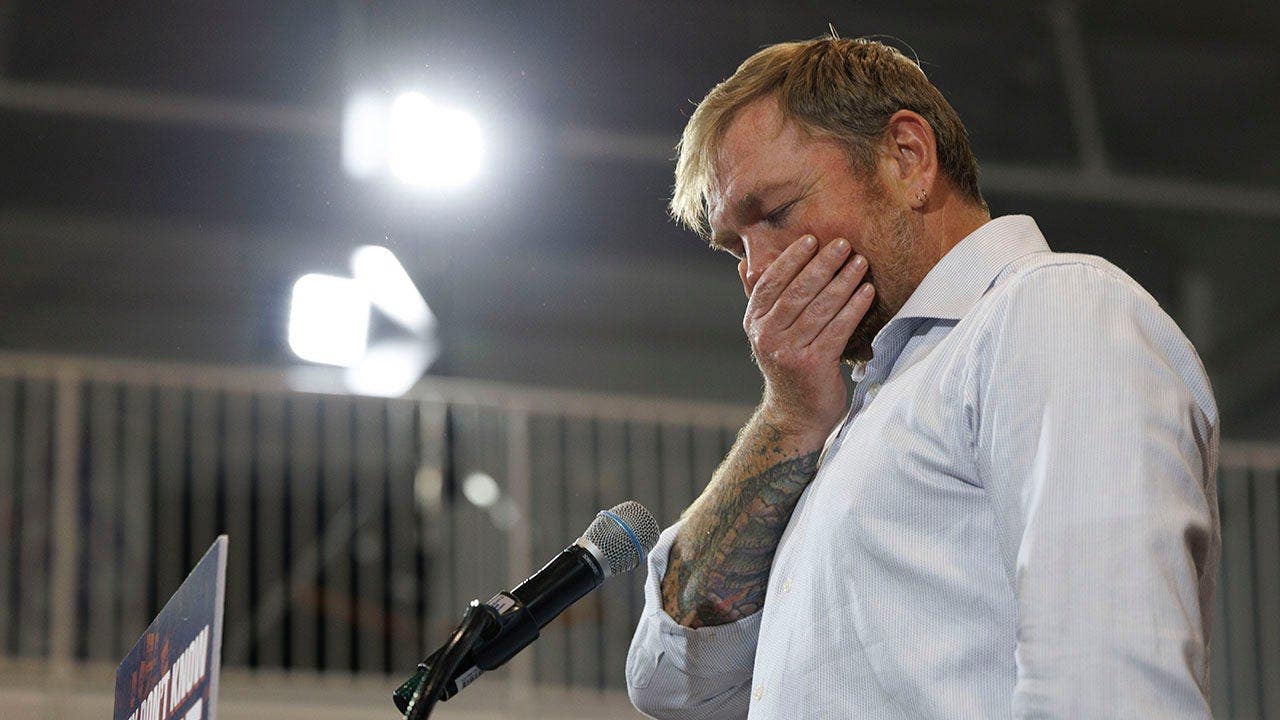
A woman, Jenny Racicot, publicly accused Maine Senate candidate Graham Platner of raping her nearly five years ago; Racicot described an encounter she says occurred when Platner entered her home intoxicated and forced unprotected sex despite her attempts to stop. Platner denied the allegation and said he was reflecting on the campaign’s path forward. Following the allegation, many prominent Democrats — including Elizabeth Warren, Rep. Ro Khanna, Senate Minority Leader Chuck Schumer, and DSCC Chair Kirsten Gillibrand — withdrew endorsements or publicly urged Platner to suspend his campaign. Outside groups aligned with Democrats also pulled support and the Schumer-aligned Senate Majority PAC said it would redirect resources if Platner stayed on the ballot. The Maine Democratic Party can replace a nominee only if Platner withdraws by a July 13 deadline; party officials and potential replacement names were reported as considering options. The article notes prior controversies involving Platner (including a June allegation of abuse by another ex-partner, which he denied) and mentions that some of his earlier supporters had defended him before the new allegation surfaced. As of the article’s last reporting, a small number of progressive allies had not publicly rescinded support and some national figures (e.g., Bernie Sanders) had not commented.
Biblical Reflection
Christian discernment calls us to hold two commitments at once: a commitment to truth and justice for the vulnerable, and a commitment to mercy, due process, and humility in judgment. The article shows how sexual-assault allegations quickly become both a moral and political crisis. Politicians and parties are rightly concerned with protecting survivors and insisting on consequences for misconduct, but rapid public withdrawal of support also risks being driven by electoral calculation rather than careful pursuit of truth. Christians should press for fair, independent investigation and compassionate care for survivors while resisting both reflexive condemnation without evidence and reflexive protection of powerful figures. Pastoral attention should center on supporting the alleged victim, ensuring accountability if wrongdoing is confirmed, and remembering that restoration, repentance, and rehabilitation are biblical goods when rightly pursued. Finally, be aware that news coverage and partisan responses can amplify incentives to act for political survival instead of justice; faithfulness requires asking whether our public actions honor both truth and neighbor-love.
Scripture in context
This outlook does not yet include contextual Scripture citations. Do not treat a general biblical theme as an exegetical conclusion.
Faithful Response
No prescribed response is offered. Consider the reflection prompts below in your own church context.
Reflection and Discussion
- 1Are the swift withdrawals of support motivated primarily by a pursuit of justice for an alleged victim, or by political risk management—and how does that affect our ability to discern truth?
- 2How should Christians hold together the presumption of innocence and a posture of believing and supporting survivors when allegations surface against public leaders?
- 3What systems (legal, ecclesial, and civic) do we need to ensure both timely care for alleged victims and credible fact-finding before irreversible public judgments?
Sources
Reporting links are evidence inputs; Sanctuary News' biblical reflection is commentary.
This outlook currently relies on fewer than two linked sources. Broaden verification before teaching from it.
- 1.Original reportprimary