News Summary
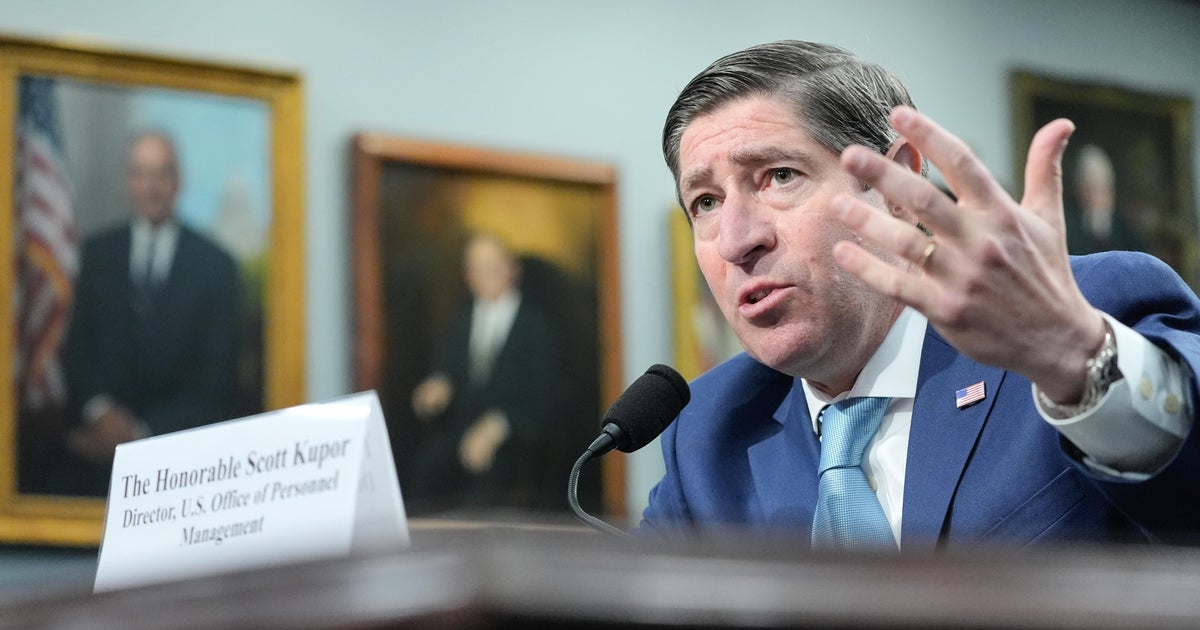
KFF Health News reported that the Office of Personnel Management (OPM) sent a December notice asking 65 insurance companies to provide monthly reports containing detailed medical and pharmaceutical claims data for more than 8 million people enrolled in federal health plans (federal employees, retirees, and family members). The notice stated insurers are legally permitted to disclose protected health information to OPM and did not instruct insurers to redact personally identifying details. OPM said the data would be used for oversight and to manage federal health plans. Democratic lawmakers — including 16 senators led by Adam Schiff and Mark Warner and a House letter led by Rep. Robert Garcia — sent letters in mid-April asking OPM Director Scott Kupor to withdraw the proposal, arguing the agency is not equipped to safeguard such sensitive data, that sharing could violate HIPAA, and that the records could be misused (including potential targeting of employees). The American Federation of Government Employees (AFGE) criticized the proposal and supported the congressional letters. Republicans have not formally weighed in on the proposal, and OPM did not provide a public response to the congressional letters in the article.
Biblical Reflection
From a Christian perspective, this story raises urgent ethical questions about stewardship of power, respect for individual dignity, and the protection of vulnerable information. The collection of identifiable medical records touches on issues of trust between citizens and government, and on the pastoral concern to protect those who may be harmed by disclosure of sensitive health details (mental illness, chronic conditions, reproductive care, etc.). Politically, the coverage reflects partisan alarm from Democrats and organized labor; that alarm is a legitimate civic check on potential abuse, but it is also expressed in a partisan context that may amplify worst-case assumptions. Objectively, the legal claims (e.g., HIPAA violations) require legal review — reporting highlights concerns but does not resolve whether the proposal is lawful or what safeguards OPM might implement. Christian discernment here looks for truth, accountability, and mercy: insist on transparent explanations of purpose and strong technical and legal safeguards before sensitive data are centralized; beware both of cavalier state power that treats people as data points and of partisan framing that uses fear to score political points without producing clarity. The biblical call to justice and protection of the vulnerable supports advocacy for robust privacy protections, independent oversight, and clear, public justification for any data collection that affects people’s dignity and livelihoods.
Scripture in context
This outlook does not yet include contextual Scripture citations. Do not treat a general biblical theme as an exegetical conclusion.
Faithful Response
No prescribed response is offered. Consider the reflection prompts below in your own church context.
Reflection and Discussion
- 1What incentives and institutional pressures might lead a government agency to seek broad access to personal data, and how should citizens evaluate those motives apart from partisan claims?
- 2What specific technical, legal, and oversight safeguards would be necessary to ensure that collection of health claims does not become a tool for targeting or harm?
- 3How does this proposal challenge our Christian commitment to protect the dignity and privacy of those who are vulnerable or whose health information could be stigmatizing?
Sources
Reporting links are evidence inputs; Sanctuary News' biblical reflection is commentary.
This outlook currently relies on fewer than two linked sources. Broaden verification before teaching from it.
- 1.Original reportprimary