News Summary
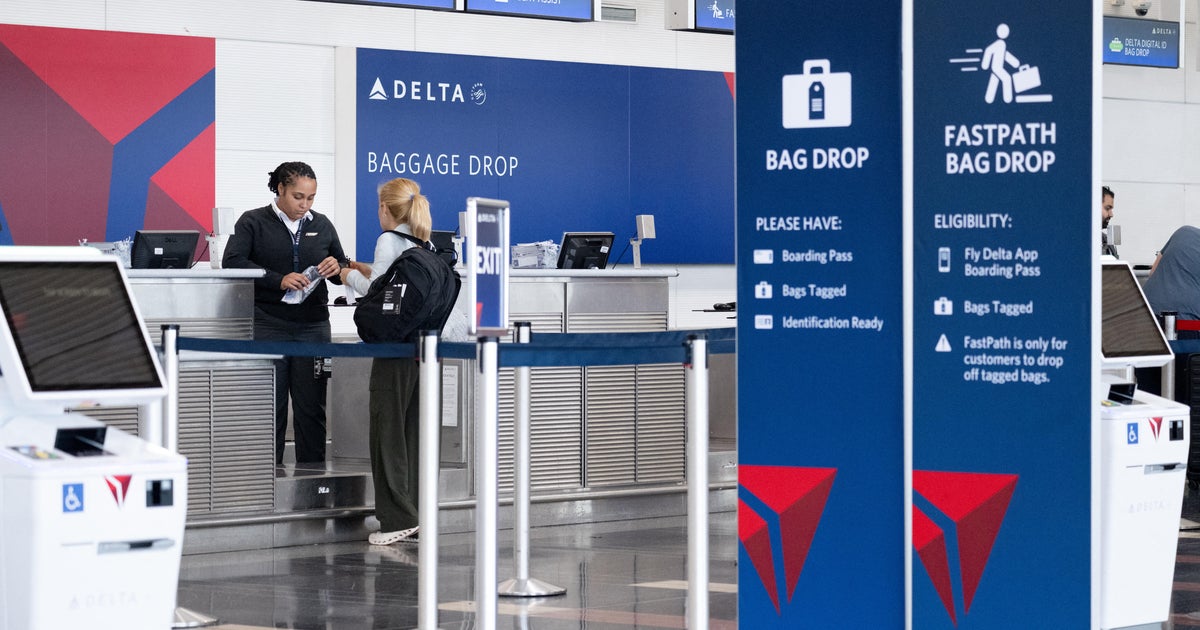
Delta Air Lines announced an increase to its checked-bag fees effective Wednesday: first and second checked bags will cost $10 more each, and a third checked bag will cost $50 more on domestic and some short-haul international flights. The carrier said eligible customers such as SkyMiles Medallion members and first-class passengers will continue to check bags for free, and long-haul international checked-bag rates remain unchanged. Delta described the change as part of an ongoing pricing review and cited "evolving global conditions and industry dynamics". Southwest Airlines announced a similar increase (first bag $35→$45; second $45→$55). United and JetBlue had already raised checked-bag fees after the U.S. and Israel attacked targets in Iran on Feb. 28. The article links these fee changes to surging jet fuel costs tied to the Iran conflict: jet fuel price was reported at $209 a barrel for the week ending April 3 (per IATA), up 132% from last year’s average. Deutsche Bank analysts estimated airlines could face tens of billions in added fuel costs if the Strait of Hormuz is closed and calculated that a sustained $2-per-gallon jet fuel increase would require roughly a 17% fare increase (about $50) to offset the cost fully. The article notes airlines have also raised airfares and added fuel surcharges, and suggests travelers consider refundable fares given price volatility.
Biblical Reflection
This report largely presents business responses to a real economic pressure: higher jet fuel costs tied to geopolitical conflict. From a Christian perspective, several themes emerge. First, the article reflects a market-driven worldview that treats price changes as technical responses to supply shocks; that framing is largely accurate but incomplete. It focuses on the immediate cause (fuel prices) and the corporate response (fee increases) without exploring broader contexts — airline profit margins, hedging practices, executive compensation, regulatory policy, or whether alternative cost-sharing measures are possible. The reporting also emphasizes traveler burden, which rightly centers ordinary people affected by distant conflicts. Biblically, we are called to honest commerce (Leviticus 19:35–36; Proverbs 11:1) and to care for neighbors who are vulnerable to economic hardship (Isaiah 1:17; James 2:14–17). That suggests Christians should hold companies and policymakers accountable for transparency and fairness while also recognizing the practical realities businesses face in a disrupted market. The article is not overtly partisan, but it leans into a causation narrative (Iran conflict → fuel spike → fee hikes) that is plausible and supported by cited data (IATA, Deutsche Bank). Readers should note what is left out: how much of the price movement reflects market speculation versus physical supply disruption, what mitigation steps airlines have taken (e.g., hedging), and whether the burden falls disproportionately on lower-income travelers. Spiritually, the piece is a reminder that geopolitical violence has ripple effects on everyday lives and that Christians are called both to pray for peace and to pursue justice and mercy in economic systems.
Scripture in context
This outlook does not yet include contextual Scripture citations. Do not treat a general biblical theme as an exegetical conclusion.
Faithful Response
No prescribed response is offered. Consider the reflection prompts below in your own church context.
Reflection and Discussion
- 1What background details are missing from the report (airline hedging strategies, profit margins, regulatory levers) that would help you judge whether fee increases are the only or fairest option?
- 2How does the article's framing (costs passed to consumers because of war-driven fuel spikes) shape who we see as responsible — markets, governments, or actors of war — and what theological implications does that have?
- 3Do we respond as Christians by simply accepting price volatility as inevitable, or by asking for greater transparency and protection for those least able to absorb higher costs?
Sources
Reporting links are evidence inputs; Sanctuary News' biblical reflection is commentary.
This outlook currently relies on fewer than two linked sources. Broaden verification before teaching from it.
- 1.Original reportprimary