News Summary
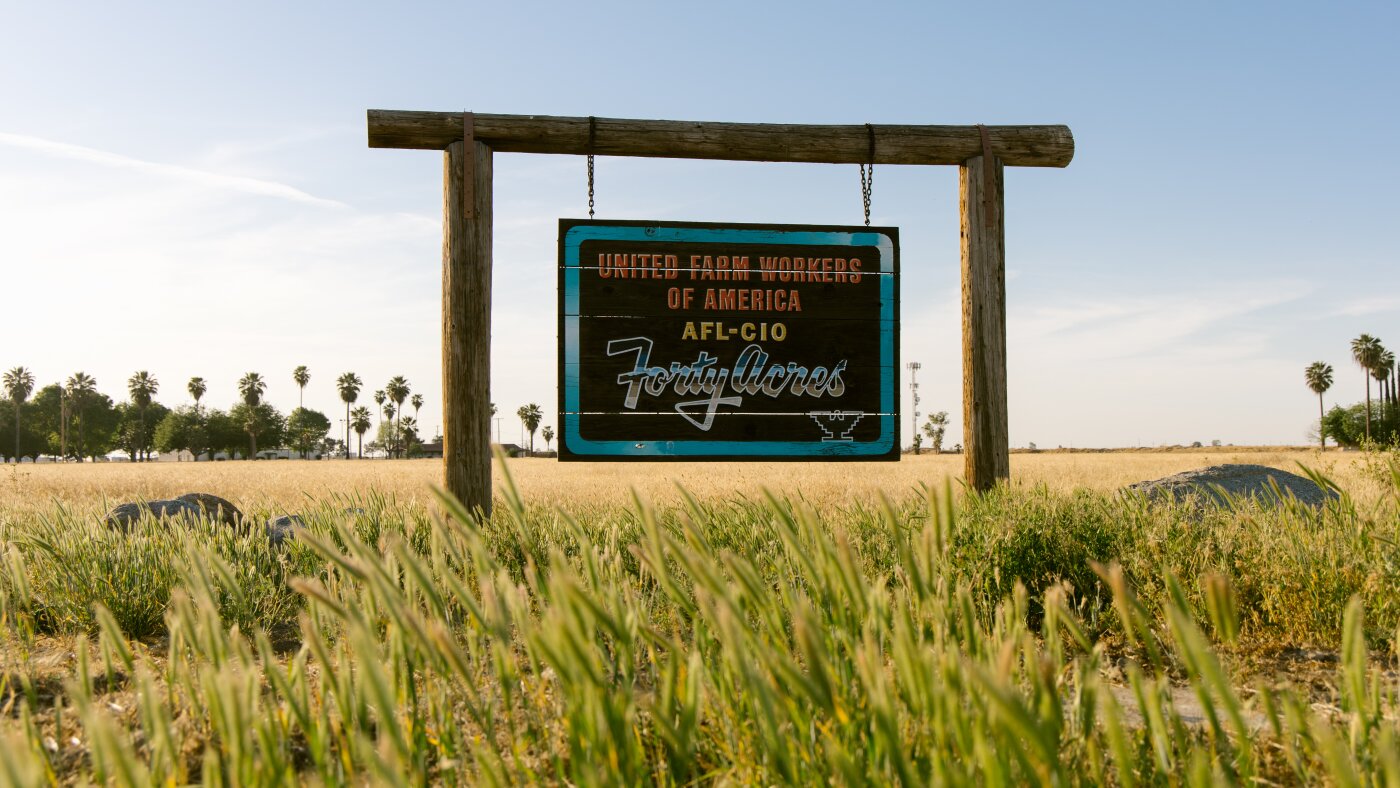
The New York Times published an investigation alleging that Cesar Chavez sexually abused young girls in the 1970s and raped Dolores Huerta in the 1960s. The allegations have prompted responses across California and in Delano, the city closely tied to the farmworker movement: statues and likenesses of Chavez have been removed in some places, some states have reconsidered recognizing Cesar Chavez Day, and local officials and school boards are debating renaming public sites (including Cesar E. Chavez High School and Cesar Chavez Park). Reactions in Delano are mixed—many residents and farmworkers acknowledge Chavez’s role in improving conditions (higher pay, breaks, sanitation) but are conflicted about the allegations. Some community members express skepticism toward the accusers; Dolores Huerta has explained she delayed speaking because she feared harming the movement. The New York Times report cites other alleged complaints going back years involving Ana Murgia and Debra Rojas; NPR notes it has not independently confirmed all of those details. Some residents and leaders see the moment as an opportunity to elevate other labor leaders, particularly Larry Itliong and Filipino organizers, whose contributions they feel have been under-recognized.
Biblical Reflection
From a biblical perspective, this story highlights several tensions Christians should recognize: the need to honor truth and justice, the danger of idolizing human leaders, and the pastoral care required for survivors and communities. The article shows a genuine struggle to hold both the good of the movement’s accomplishments and the seriousness of the allegations in tension. Scripture calls believers to pursue justice for the vulnerable and to listen to the harmed (e.g., Proverbs 31:8–9, speak for the voiceless), so allegations of sexual harm must be taken seriously and investigated with integrity and compassion. At the same time, we should avoid reflexive idolization of leaders; the Bible repeatedly warns that even respected people are fallen (1 Corinthians 10:12). The community’s instinct to protect a hard-won legacy is understandable, but loyalty to a cause must never silence victims or block accountability. Media coverage can amplify pain and polarize communities; Christians should be cautious about assuming motive or endorsing conspiracy without evidence, while also resisting narratives that dismiss survivors because of timing or allegiance. Ideally, a faithful response centers truth-seeking, pastoral care for survivors, transparent investigation where possible, and a sober reassessment of public honors—separating the movement’s achievements from the actions of particular leaders—and celebrates the broader, diverse coalition of workers who made change possible.
Scripture in context
This outlook does not yet include contextual Scripture citations. Do not treat a general biblical theme as an exegetical conclusion.
Faithful Response
No prescribed response is offered. Consider the reflection prompts below in your own church context.
Reflection and Discussion
- 1Are we allowing admiration for a leader's public achievements to blind us to credible reports of harm, and how should the community balance honoring positive reforms with seeking justice for alleged victims?
- 2What institutional or cultural forces within movements (including reverence for founders) might discourage survivors from speaking, and how can we spot those dynamics without reflexive dismissal of either accuser or accused?
- 3When public honors are reconsidered, whose stories are being centered or marginalized, and how can a community honestly remember collective history without elevating one person as an unassailable hero?
Sources
Reporting links are evidence inputs; Sanctuary News' biblical reflection is commentary.
This outlook currently relies on fewer than two linked sources. Broaden verification before teaching from it.
- 1.Original reportprimary