News Summary
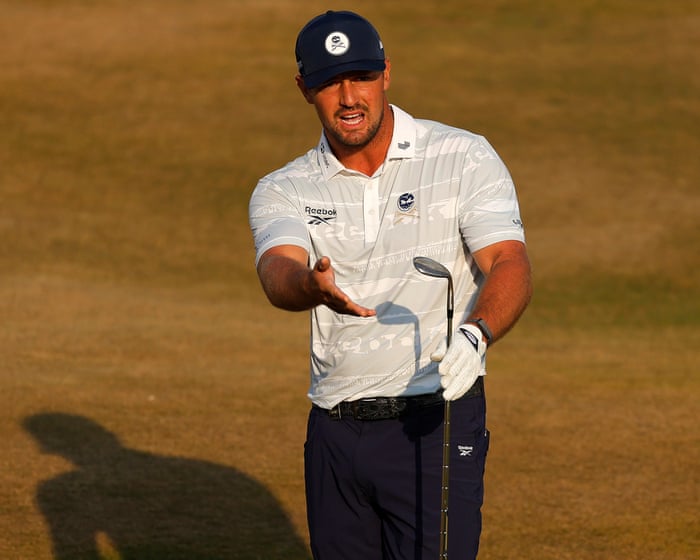
Reported facts: During the 2026 Open Championship at Royal Birkdale Bryson DeChambeau received a two-stroke penalty for a rules breach that occurred in round two; a spectator shouted an accusation of cheating near the 18th green; the R&A's executive director of governance described DeChambeau's action as "accidental"; Scottie Scheffler publicly defended DeChambeau with a quoted remark. Attributed claims and interpretation: the author asserts that DeChambeau's theatrics and public posturing polarize spectators and that these factors help explain his alignment with the LIV tour. Uncertainty: the article is an opinion piece and does not present direct statements from DeChambeau about his feelings regarding the LIV tour or provide independent evidence measuring the effects of his behavior on the sport.
Source and Framing Analysis
This is an opinion/analysis column that mixes reported facts with evaluative language ("posturing and pantomime," "petulant reaction"). The central factual elements (penalty, R&A statement, Scheffler quote, spectator outburst) are reported; claims about DeChambeau being "happier on the LIV tour" and the overall effect of his behavior on fans are interpretive and rely on the author's reading rather than presented empirical evidence. Readers should note the piece's editorial voice and distinguish direct reportage from the author's judgments.
Biblical Reflection
This article highlights tensions between rule-following, public perception, and individual behavior in sports. Christians should prize truth and fairness: if a rules breach occurred, it is right for officials to apply standards consistently and for observers to avoid quick judgment without full information. At the same time, mercy and humility require restraint from both players and spectators — shaming or loud accusation from the stands undermines dignity and community.
DeChambeau's case also raises questions about character and witness. Athletic talent and innovation are gifts; how they are used and portrayed matters. Christians can acknowledge excellence and positive change (the article credits DeChambeau with expanding what golf can be) while still calling for humility, accountability, and clear communication when controversies arise. The church's response is to model calm, truthful speech and to resist tribal shaming that treats opponents as moral pariahs.
Finally, the piece is an opinionated appraisal and contains interpretive language ("posturing and pantomime"). Readers should separate reported facts (penalty, R&A comment, Scheffler's quote) from the author's judgments. A Christian posture toward contested public stories is to seek facts, speak truth in love, and cultivate patience when outcomes are uncertain.
Scripture in context
- 1Philippians 2:3-4 (general reference) — Paul urges humility and valuing others above oneself within a first-century Christian community facing internal rivalry and the need for unified witness. — In sports and public life, this passage calls believers to resist self-exaltation and performative pride, to prioritize others' dignity, and to respond to disputes with humility rather than spectacle.
Faithful Response
1) Practice restraint on social media and in person: avoid repeating unverified accusations and allow officials to adjudicate disputes. 2) Model gracious speech: when commenting about athletes' conduct, emphasize facts and avoid mocking or shaming language. 3) Teach sportsmanship: encourage youth and fellow believers to value character over spectacle and to see competition as an arena for growth and witness. 4) Pray for those involved — players, officials, and fans — for humility, fairness, and reconciliation.
Reflection and Discussion
- 1When faced with a public accusation, do you first seek the facts, or do you assume guilt and join the crowd?
- 2How does the way we cheer or jeer athletes shape the moral atmosphere of our communities and witnesses to non‑believers?
- 3In what ways should Christians balance celebrating giftedness with calling for humility and accountability?
Sources
Reporting links are evidence inputs; Sanctuary News' biblical reflection is commentary.
This outlook currently relies on fewer than two linked sources. Broaden verification before teaching from it.
- 1.DeChambeau moves the dial for golf but is his posturing and pantomime worth the hassle? | Ewan Murrayprimary_reporting