News Summary
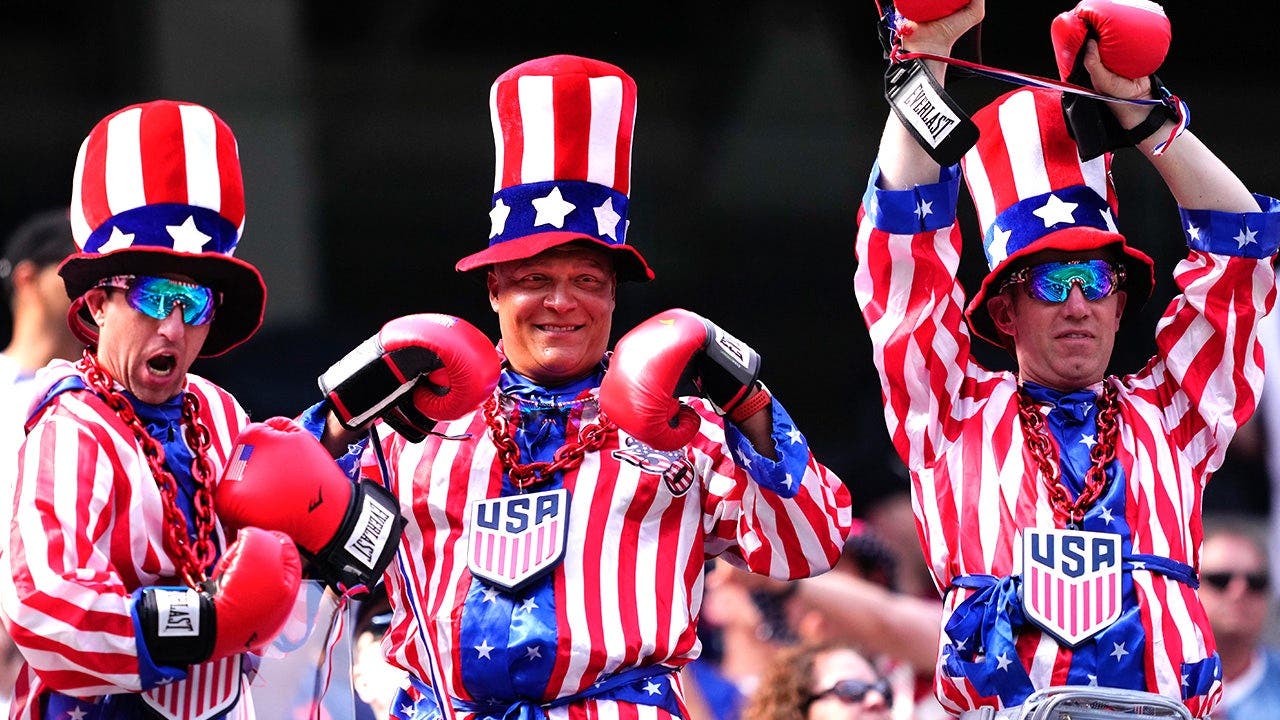
This opinion piece argues that sections of mainstream sports media are framing the U.S. men's World Cup team and its fans through identity and political lenses, effectively gatekeeping who may be considered a legitimate follower of the sport. The author cites several recent media examples: a Guardian column that criticized Fox analyst Alexi Lalas (using phrases cited in the article such as calling Lalas an “all‑American idiot” and “MAGA hack”); an Athletic post on X highlighting the team’s racial makeup (“Half of the U.S. men's national team is Black”); a pre-tournament Jerry Brewer column in The Athletic titled “Welcome to America, the problematic host of the World Cup”; and a USA Today column alleging the U.S. had “already lost” the World Cup to greed and hostility. The piece contrasts that coverage with other fan reactions celebrating patriotic displays, argues that conservatives and many fans simply want to cheer for Team USA regardless of players’ politics, and contends that the media is turning the tournament into another front in the culture wars rather than letting it be a unifying sporting event.
Biblical Reflection
The article identifies a real cultural tension—sports coverage often intersects with politics and identity—but it frames the press as a unified, ideologically driven bloc and uses polarizing language that risks deepening the very divisions it criticizes. From a Christian perspective, the impulse to defend communal joy, shared identity, and harmless patriotism is understandable and can be a healthy expression of neighborly solidarity. But the article’s broad labels and us-vs-them rhetoric simplify a complex media landscape and invite tribal responses rather than charitable engagement. Christians are called to seek truth (test claims, check multiple sources) and to practice mercy and humility (resist demonizing people who disagree about how to interpret cultural signals). That means acknowledging legitimate critiques—about representation, historical context, or political signaling—while resisting gatekeeping that excludes fellow citizens from communal life. In short: avoid reflexive tribalism, pursue informed discernment, and prefer unity formed by mutual respect over identity policing on either side.
Scripture in context
This outlook does not yet include contextual Scripture citations. Do not treat a general biblical theme as an exegetical conclusion.
Faithful Response
No prescribed response is offered. Consider the reflection prompts below in your own church context.
Reflection and Discussion
- 1Who benefits when a sporting event is consistently framed as a culture‑war battleground, and who is harmed?
- 2Am I quick to write off people because of their media sources or visible patriotism, rather than listening to their reasons and shared humanity?
- 3Does my first reaction to criticism of my side aim to silence dissent or to understand and respond truthfully and humbly?
Sources
Reporting links are evidence inputs; Sanctuary News' biblical reflection is commentary.
This outlook currently relies on fewer than two linked sources. Broaden verification before teaching from it.
- 1.Original reportprimary