News Summary
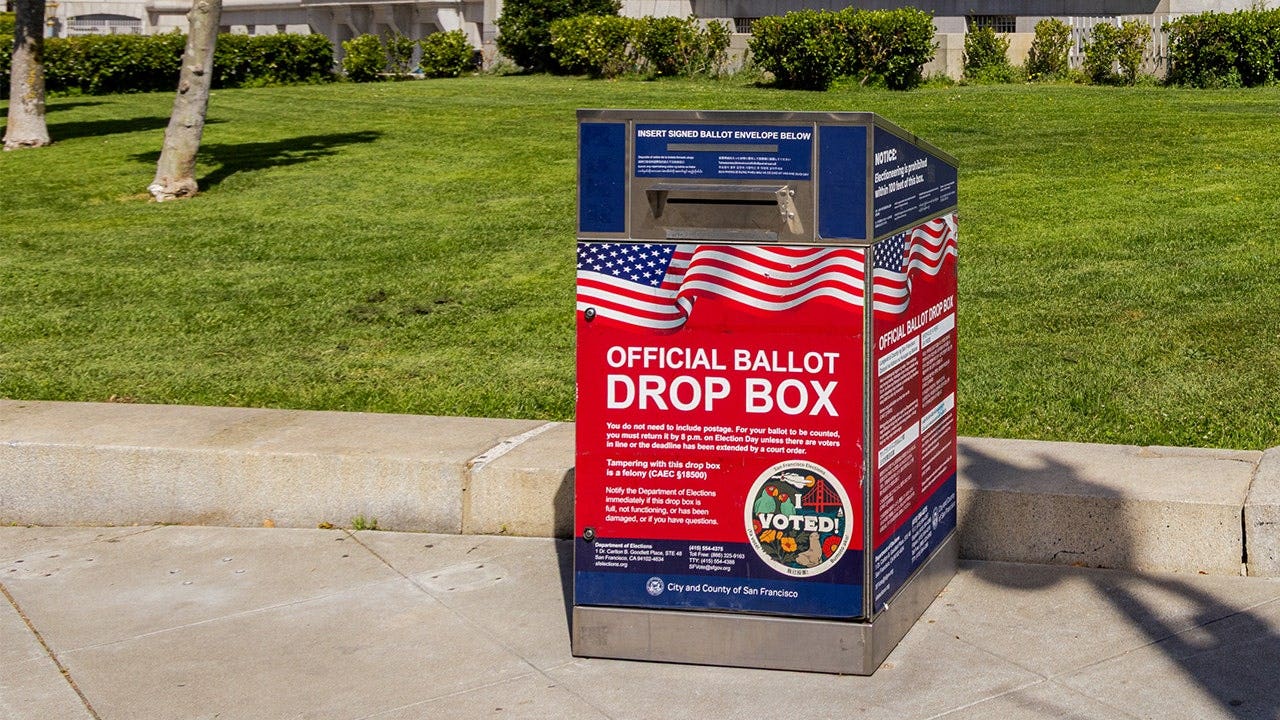
California's June 2, 2026 primary required weeks of ballot counting after Election Day because state law allows mail ballots postmarked by Election Day to arrive up to seven days later and employs signature-confirmation reviews. The New York Times editorial board criticized the resulting slowness as a failure of governance and urged Congress to adopt a national rule requiring ballots be accepted only on Election Day so results are finalized that night. The editorial asserted that rapid counting was the historical norm in the U.S. and remains common in many democracies and large states. Defenders of California's approach say the extra time prioritizes access and accuracy. Public figures quoted in coverage included Nate Silver, who called long unresolved counts unacceptable, and California officials; Governor Newsom said he wants counts to move faster and has asked county registrars to improve speed. After about a week of counting, California confirmed that Democrat Xavier Becerra and Republican Steve Hilton advanced to the November gubernatorial general election. The article cites debate among editorial boards, partisan criticism, and national commentary about whether speed or broader access and verification should have priority.
Biblical Reflection
From a Christian perspective, this story raises two related moral concerns: the pursuit of truth and the pursuit of neighbor’s trust. Truth demands election results that are accurate and defensible; mercy and love of neighbor demand procedures that do not systematically disenfranchise voters. The article and the NYT editorial lean toward a value judgment that faster counts are both practical and necessary for public confidence, while defenders emphasize inclusiveness and accuracy. Readers should note the underlying framings: some commentators prioritize rapid clarity and view delay as a governance failure; others prioritize access and error-prevention. Both impulses are legitimate, but they can be weaponized when tied to partisan advantage or when rhetorical exaggeration undermines civic trust. Christians should prize integrity over partisan advantage: press for procedural improvements that reduce unnecessary delay without narrowing lawful access, insist on transparent oversight, and resist either cynical dismissal of legitimate safeguards or reflexive defense of slow processes for partisan gain. Humility is needed in policy reform—seek evidence-based fixes, listen to election administrators and civil-rights advocates, and pursue reforms that protect both accurate results and broad voter participation.
Scripture in context
This outlook does not yet include contextual Scripture citations. Do not treat a general biblical theme as an exegetical conclusion.
Faithful Response
No prescribed response is offered. Consider the reflection prompts below in your own church context.
Reflection and Discussion
- 1Does the coverage presume that speed or access is the primary democratic value, and how does that assumption shape proposed solutions?
- 2Who benefits politically from emphasizing delays, and who benefits from emphasizing access—are critiques grounded in facts or in partisan advantage?
- 3What concrete, evidence-based changes could reduce delays while protecting lawful ballots and maintaining public confidence?
Sources
Reporting links are evidence inputs; Sanctuary News' biblical reflection is commentary.
This outlook currently relies on fewer than two linked sources. Broaden verification before teaching from it.
- 1.Original reportprimary