News Summary
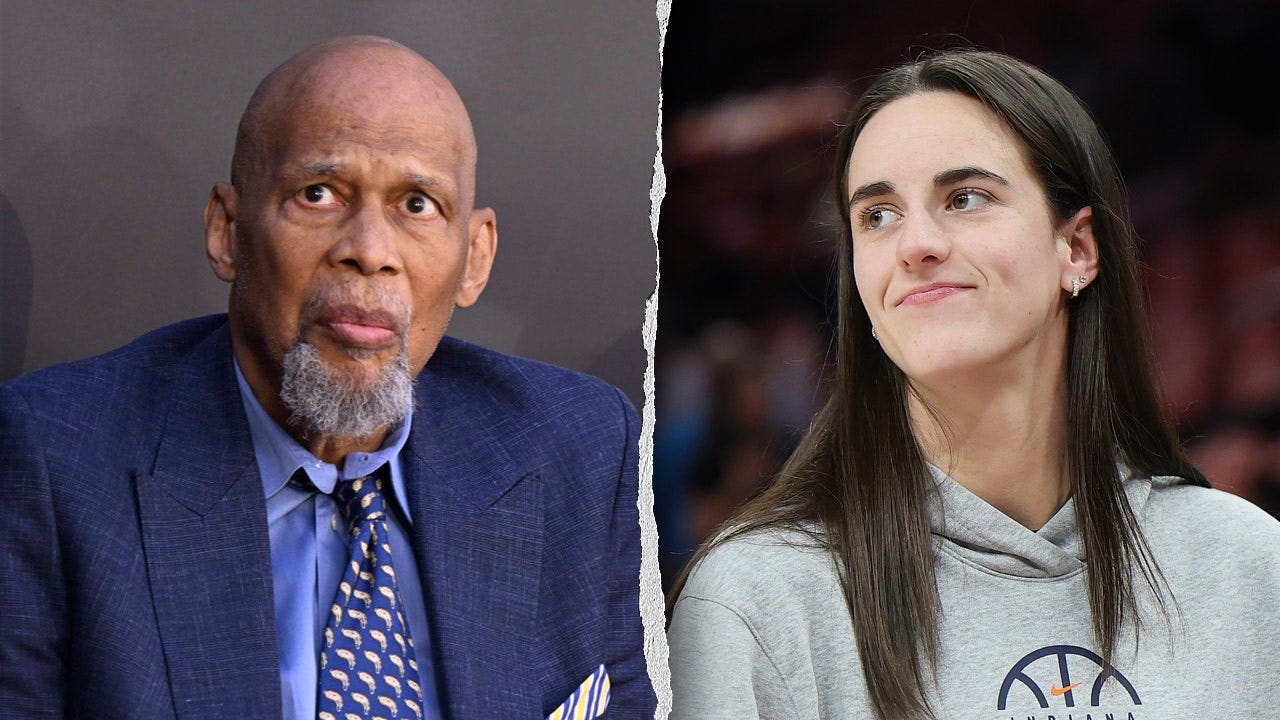
A recent media debate centers on whether Caitlin Clark should be considered the "face" of the WNBA. Eleven Republican House members sent a letter to WNBA Commissioner Cathy Engelbert asking the league to address the physical treatment Clark has received on the court. Kareem Abdul-Jabbar wrote that A'ja Wilson, not Clark, should be viewed as the face of the league and argued that labeling a single player that way without superstar-level on-court and cross-platform dominance (as seen with Michael Jordan or LeBron James) is unfair to other great players. The article rebuts Abdul-Jabbar's comparison by noting that LeBron was commercially anointed early in his career and that Clark—like LeBron early on—has produced notable commercial and performance markers (WNBA Rookie of the Year, single-season assists record, rookie scoring/three-point records, top jersey sales, and a late-night regular-season game averaging about 1.04 million viewers). The piece also describes an on-court incident in which Phoenix Mercury forward Alyssa Thomas fouled Clark, and it reports on subsequent public discussion where some commentators shifted focus toward online racial abuse faced by Black players after the game. The author contends the league has more control over on-court discipline than over online behavior and criticizes attempts to minimize Clark’s on-court treatment by highlighting off-court trolling. The column was written by Dan Zaksheske for OutKick and is republished on Fox News.
Biblical Reflection
From a Christian perspective, the article raises questions about justice, truthfulness, and the ways we treat other people in public debate. The factual claim that Clark has moved audience numbers and merchandise is verifiable and relevant to calling someone the commercial "face" of a league; distinguishing commercial visibility from playing greatness is important and honest. At the same time, the coverage and commentary reveal possible biases: attachments to established players, discomfort with shifting attention, and a tendency to shift or chip away at allegations of harm by invoking other hurts. Christians should resist partisan or tribal reflexes that dehumanize athletes or reduce them solely to metrics. The league and its stakeholders have a responsibility to protect players' physical safety and ensure fair officiating and discipline; they also should condemn online threats and racism. Truth-seeking requires holding both: insist on accurate measurement of impact (viewership, sales, performance) while treating every player with dignity, refusing to weaponize race or fandom to silence legitimate concerns about safety. Pastoral wisdom calls for humility in public evaluation, compassion for those who suffer abuse (online or physical), and courage to pursue fair systems rather than scoring cultural points.
Scripture in context
This outlook does not yet include contextual Scripture citations. Do not treat a general biblical theme as an exegetical conclusion.
Faithful Response
No prescribed response is offered. Consider the reflection prompts below in your own church context.
Reflection and Discussion
- 1Are we defining the "face" of a league by commercial reach or by on-court accomplishments—and does that distinction matter for how we treat players?
- 2How do race, gender, and existing loyalties shape which athletes we accept as the public face of a sport?
- 3When institutions or lawmakers intervene in cultural disputes, are they seeking to address real harm or to gain political advantage?
Sources
Reporting links are evidence inputs; Sanctuary News' biblical reflection is commentary.
This outlook currently relies on fewer than two linked sources. Broaden verification before teaching from it.
- 1.Original reportprimary