News Summary
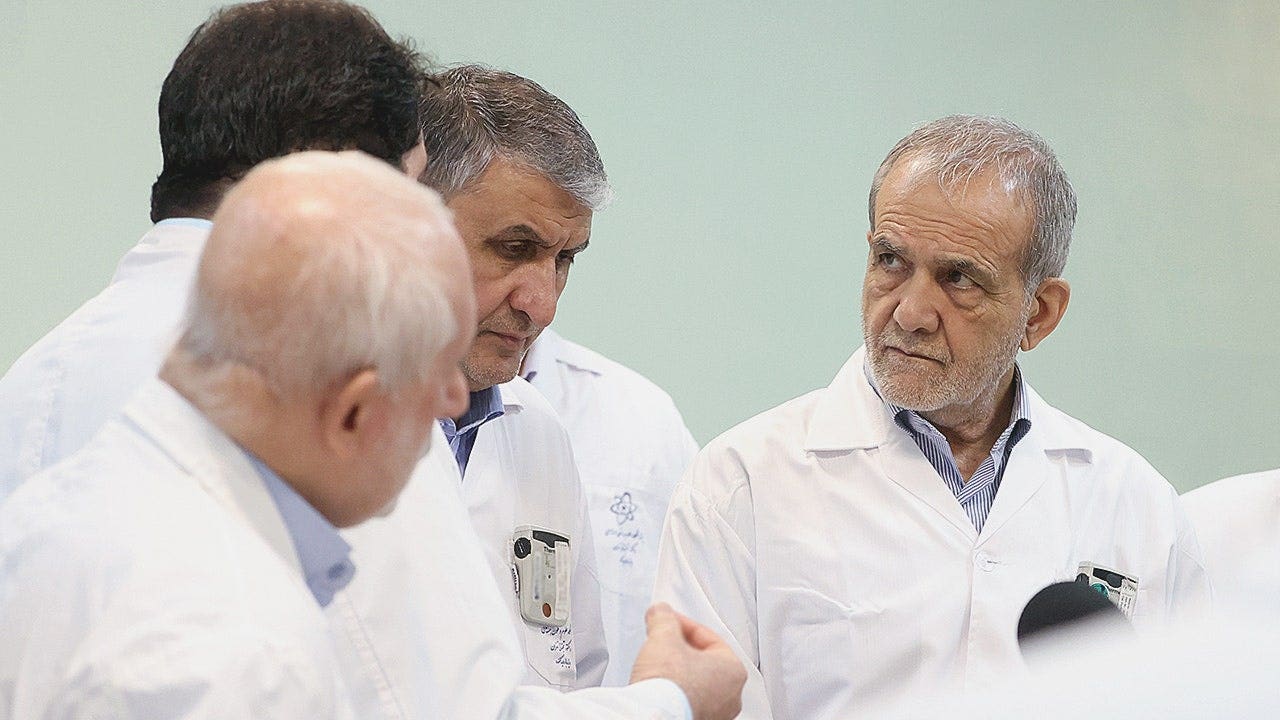
U.S. and Israeli strikes in 2025–2026 have killed several senior figures tied to Iran’s nuclear and weaponization programs, including Hossein Jabal Amelian (head of SPND) and other named scientists. Experts say the strikes and attacks on sites tied to weaponization and the nuclear fuel cycle have degraded Iran’s program in the near term, but the full long-term impact is unclear. Analysts warn that while the immediate risk of nuclear material reaching non-state actors or of nuclear terrorism is currently low—because enriched uranium is difficult to access and weaponize—instability in Iran (for example, a regime collapse) could increase the risk that materials or personnel might be diverted, sold, or moved to undisclosed locations. The IAEA estimates Iran still holds substantial enriched uranium (more than 200 kilograms at ~60% at Esfahan). President Donald Trump has said the U.S. would work with Iran to recover enriched material from strike sites; Iranian officials say material remains under rubble and that Tehran has no plans to recover it. Experts note that while managers and scientists can be replaced, their lost institutional experience and tacit knowledge are harder to rebuild and that unknown or undisclosed sites could complicate assessments of capability and material control.
Biblical Reflection
From a Christian perspective this article raises two interlocking concerns: the real moral urgency of preventing nuclear catastrophe, and the human cost and ethical ambiguity of means used to pursue that goal. The reporting frames the strikes primarily as a security measure and highlights legitimate technical risks (stockpiles, weaponization expertise, undeclared sites). That emphasis aligns with a common security-first worldview: prioritize neutralizing threats even when doing so carries uncertain downstream risks. The coverage responsibly cites experts who temper alarm—noting the current low probability of non-state actors weaponizing Iran’s material—while also noting plausible escalatory scenarios (regime collapse, illicit transfers). Readers should note where facts end and plausible scenarios begin; some language about black markets and scientists selling expertise is speculative and conditional, not established fact. Spiritually, the story invites sober discernment: we should desire the protection of the vulnerable and prevention of mass harm (Psalm 82:3, Micah 4:3–4), while also scrutinizing the morality and consequences of targeted killings and military campaigns. Christians are called to pursue justice and peace (Matthew 5:9), to seek wise counsel (James 1:5), and to hold both truth and compassion in tension—recognizing legitimate security concerns without dehumanizing those on the other side or embracing fear-driven narratives. Finally, assess media framing: outlets vary in tone and emphasis; this piece stresses technical proliferation risks and U.S./Israeli actions but gives limited attention to civilian harm, legal questions about targeted strikes, or Iranian civilian perspectives. That selective focus can shape public judgment toward risk-minimizing or militarized responses rather than diplomatic solutions. Pray for wisdom for leaders, protection for civilians, truthful reporting, and a posture of seeking durable, honest peace.
Scripture in context
This outlook does not yet include contextual Scripture citations. Do not treat a general biblical theme as an exegetical conclusion.
Faithful Response
No prescribed response is offered. Consider the reflection prompts below in your own church context.
Reflection and Discussion
- 1What assumptions about security, inevitability of violence, or the reliability of military measures underlie the article’s framing, and where does the reporting leave room for diplomatic or nonmilitary solutions?
- 2Which claims in the story are factual reporting (names, strikes, IAEA figures) and which are conditional or speculative (risks if the regime collapses, possible sales of expertise)?
- 3How does the article treat human lives on all sides—scientists, civilians, and military actors—and what Christian commitments (truth, mercy, peacemaking) should shape our assessment of both threat and response?
Sources
Reporting links are evidence inputs; Sanctuary News' biblical reflection is commentary.
This outlook currently relies on fewer than two linked sources. Broaden verification before teaching from it.
- 1.Original reportprimary