News Summary
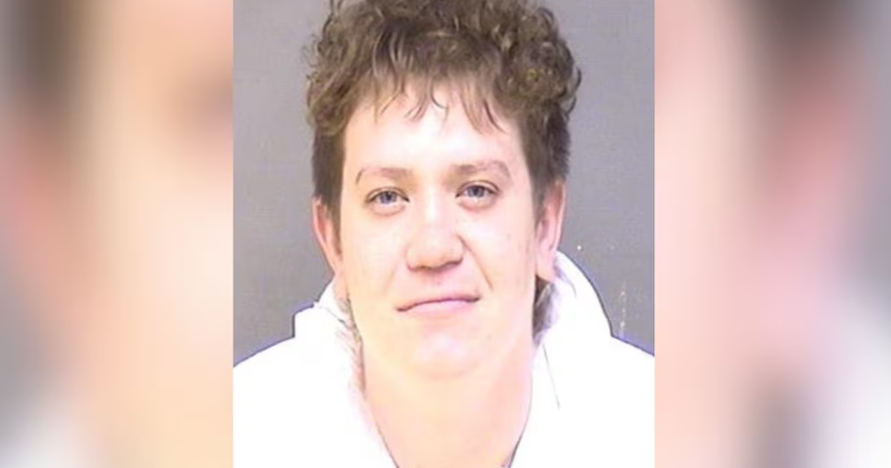
Authorities say Dayton James Webber, 27, a professional cornhole player and quadruple amputee, was located in Virginia and arrested on an outstanding warrant after a 27-year-old man, Bradrick Michael Wells of Waldorf, Maryland, was found shot to death in Charles County. Witnesses reported seeing a deadly shooting in La Plata where Webber allegedly shot a front-seat passenger during an argument; witnesses in the back seat reportedly left the scene and the driver fled with the victim still in the car. The victim’s body was discovered about two hours later in a yard in Charlotte Hall. Webber was found at a Virginia hospital and arrested as a fugitive; Maryland authorities plan to charge him with first- and second-degree murder and related offenses pending extradition. Webber has been profiled previously as a professional player in the American Cornhole League; the league says it is aware of the allegations and is respecting the judicial process. Webber has not been active in the league since late 2024.
Biblical Reflection
This story confronts two Biblical truths at once: the reality of human sin and the necessity of just accountability, and the call to show compassion without excusing wrongdoing. Murder is among the gravest of sins in Scripture (Exodus 20:13), and civil authorities are charged with upholding justice and protecting the innocent (Romans 13:3–4). The church should therefore pray for a full, impartial investigation and for due process so that truth and justice can be known.
At the same time, the article highlights how a person’s suffering or disability can shape public perception. Scripture calls us to love and show compassion to those who are vulnerable (James 1:27; Matthew 25:36–40) but never to let compassion cloud our commitment to truth. It would be unwise and unchristian to romanticize or demonize the accused because of his disability; moral agency remains. We must resist hasty judgments and gossip (James 4:11) while also refusing moral relativism that would minimize violence.
As Christians we are to hold these tensions: pray for the victim’s family and for the accused (both deserve pastoral care), advocate for justice for the harmed, and maintain humility before facts that are still emerging. This is also a reminder for the church community to care for victims of violence, to support truthful reporting and fair legal processes, and to treat people with disabilities with dignity without obscuring responsibility for alleged violent acts.
Scripture in context
This outlook does not yet include contextual Scripture citations. Do not treat a general biblical theme as an exegetical conclusion.
Faithful Response
No prescribed response is offered. Consider the reflection prompts below in your own church context.
Reflection and Discussion
- 1How can I hold compassion for everyone involved (victim, family, accused) while still seeking truth and justice?
- 2Do I have assumptions about people with disabilities that might lead me to sentimentalize or dismiss serious actions? How should Scripture correct those assumptions?
- 3What practical steps can my church take to support victims of violence, to pray for fair proceedings, and to welcome those who are marginalized?
Sources
Reporting links are evidence inputs; Sanctuary News' biblical reflection is commentary.
This outlook currently relies on fewer than two linked sources. Broaden verification before teaching from it.
- 1.Original reportprimary