News Summary
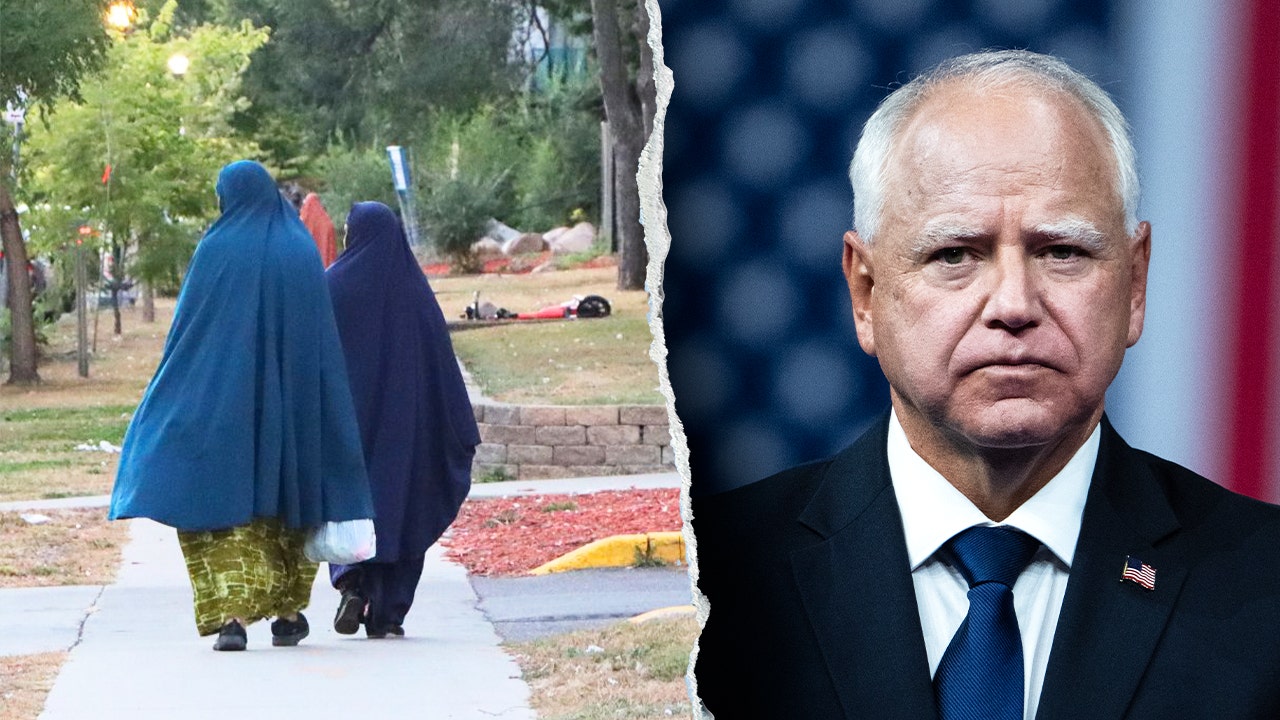
The article discusses the widespread apathy among Minneapolis residents, particularly white Minnesotans, toward a massive fraud scandal involving members of the Somali community in Minnesota. The Feeding Our Future scandal, described as the largest COVID-19 fraud scheme in the country, saw the misappropriation of over a billion dollars intended for children. The author observes that, rather than outrage, many locals respond with indifference, a phenomenon attributed to 'white guilt' and a reluctance to criticize marginalized groups. The Somali community is portrayed as having a protected status, wherein criticism or accountability is avoided under the guise of anti-racism or social justice. The article also touches on failures in the state's marijuana program, which the author ties to diversity, equity, and inclusion (DEI) policies. Media coverage is criticized for being one-sided, focusing on negative depictions of immigration enforcement while downplaying or excusing fraud. The author concludes that a sense of resignation and misplaced guilt has allowed corruption to flourish unchecked in Minnesota.
Biblical Reflection
From a biblical perspective, the issues raised in this article touch on several critical areas: justice, truth, accountability, and how Christians are to treat their neighbors. Scripture is clear that God hates corruption and injustice—'Do not pervert justice; do not show partiality to the poor or favoritism to the great, but judge your neighbor fairly' (Leviticus 19:15). The gospel calls believers to compassion for the marginalized and oppressed, but not at the expense of truth or justice. Turning a blind eye to wrongdoing because of guilt or fear of being perceived as prejudiced is not a biblical virtue. Instead, Christians are called to speak the truth in love (Ephesians 4:15), hold leaders and communities accountable (Micah 6:8), and seek the welfare of all people without partiality. The article suggests that misplaced guilt and avoidance of honest dialogue have allowed sin to go unchecked, harming both the vulnerable (such as the children the funds were meant to help) and the wider community. Followers of Christ are called to courageously pursue integrity, advocate for genuine justice, and resist the temptation to justify or ignore sin—no matter who commits it. True biblical justice neither scapegoats nor excuses anyone based on their identity, but rather upholds righteousness for all.
Scripture in context
This outlook does not yet include contextual Scripture citations. Do not treat a general biblical theme as an exegetical conclusion.
Faithful Response
No prescribed response is offered. Consider the reflection prompts below in your own church context.
Reflection and Discussion
- 1Am I ever tempted to excuse or ignore wrongdoing in myself or others out of misplaced guilt or fear of criticism?
- 2How can I seek justice and truth in my community without losing compassion for the marginalized?
- 3Where might God be calling me to speak the truth in love, even when it is uncomfortable?
Sources
Reporting links are evidence inputs; Sanctuary News' biblical reflection is commentary.
This outlook currently relies on fewer than two linked sources. Broaden verification before teaching from it.
- 1.Original reportprimary