News Summary
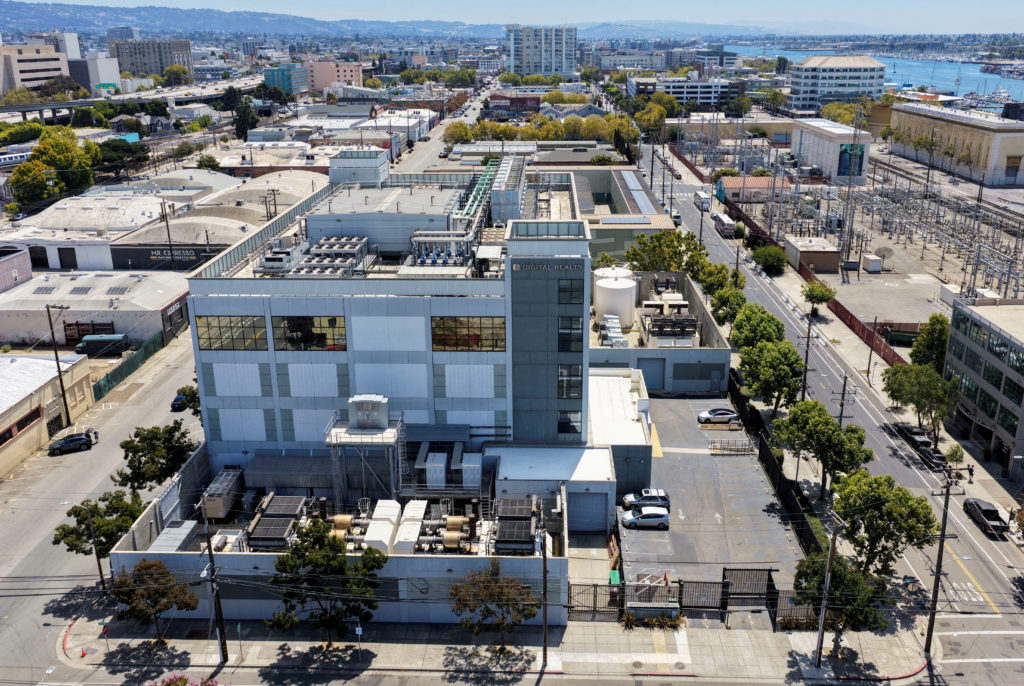
Reported facts: The PBS NewsHour article states that opposition to data centers in U.S. communities is increasing and that this trend has affected the midterm election landscape, disrupted plans of wealthy companies, and drawn public defense from President Donald Trump. Attributions: The description 'snowballing opposition' and claims about transforming midterms and disrupting corporate plans are presented by the article without extensive supporting data in the provided text. Uncertainty: The scope, metrics, and causal pathways (which races were changed, which projects were halted, how broadly opposition is distributed) are not documented in the supplied excerpt.
Source and Framing Analysis
The article uses concise, sweeping language ('snowballing,' 'transformed') that foregrounds political impact; this framing emphasizes conflict and consequence but, in the supplied excerpt, does not provide primary data, named local examples, or independent metrics to substantiate the scale of transformation. Material uncertainties include the geographic spread, measurable electoral effects, and specific corporate projects impeded—information that would change how strongly the story supports its central claims.
Biblical Reflection
Christians should attend to both the truth claims and the human realities beneath this story. The reporting highlights legitimate local anxiety about rapid infrastructure change and concentrated corporate power; at the same time, political actors will naturally shape the story to serve electoral aims. Truth-seeking requires distinguishing concrete harms or benefits for local neighbors (jobs, taxes, environmental and resource impacts) from rhetoric intended to mobilize voters.
A faithful Christian response balances stewardship, neighbor-love, and public accountability. Communities must be heard and protected when projects pose material burdens; corporations and governments must be called to transparency, fair compensation, and limits that honor creation and human flourishing. Christians should resist simplistic framing that casts business as purely good or protest as purely obstructionist, instead pressing for justice, humility, and peacemaking in local decision processes.
Finally, watch for how this issue reshapes civic life: it can deepen civic participation when citizens engage zoning and elections, but it can also deepen polarization if leaders weaponize local concerns for partisan gain. Pray for discernment, encourage informed local participation, and advocate policies that steward creation while protecting the vulnerable.
Scripture in context
- 1Matthew 22:37-40 — In the Gospel of Matthew, Jesus summarizes the law by calling disciples to love God and love neighbor; the passage functions in the narrative as a foundational ethic for community life and moral obligation. — When communities and leaders evaluate infrastructure like data centers, this summons to love neighbor argues for centering local welfare, transparency, and stewardship of shared resources rather than only economic gain or partisan advantage.
Faithful Response
Listen to neighbors in affected communities before drawing conclusions; prioritize firsthand testimony and local public records over headlines.
Pray for wisdom and pursue factual information (zoning documents, environmental reviews, municipal meeting minutes) before advocating for or against a project.
Encourage local churches to be spaces of civil conversation where differing views can be heard and practical needs (water, housing, health) can be articulated to leaders.
Advocate for transparency from corporations and public accountability from officials: community benefits agreements, independent environmental assessments, and clear plans for public infrastructure impacts.
Reflection and Discussion
- 1What habits of discernment (research, listening, prayer) do I need to avoid being swept into polarized responses to local development?
- 2How can my concern for economic opportunity be balanced with a commitment to protect creation and vulnerable neighbors?
- 3Are I and my church prepared to host careful, nonpartisan civic conversations that prioritize truth and mercy over partisan wins?
Sources
Reporting links are evidence inputs; Sanctuary News' biblical reflection is commentary.
This outlook currently relies on fewer than two linked sources. Broaden verification before teaching from it.
- 1.Data center controversies have transformed midterms. Here's where different groups standprimary_reporting