News Summary
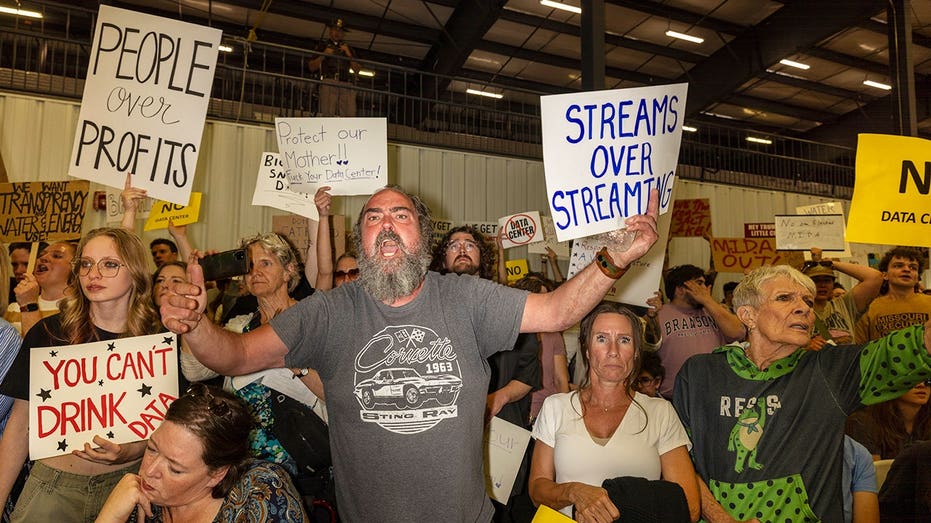
Reported facts: The Fox News opinion piece reports that some 78 local jurisdictions have imposed data center bans or moratoriums and characterizes this as a growing movement. Attributed claims: The article asserts that these restrictions jeopardize the U.S. economy and national security and could benefit China in the AI competition. Uncertainty: The article is an opinion column and provides no independent list of the 78 jurisdictions, no linked economic or security studies, and no corroborating reporting within the supplied source.
Source and Framing Analysis
This is a single opinion piece from Fox News framing local data center restrictions primarily as a national-security and geopolitical risk. The framing emphasizes competition with China and uses urgent language to suggest broad, harmful consequences. Material uncertainties that affect the story include the specific jurisdictions referenced, the reasons those jurisdictions acted, and independent analysis showing the net economic or security impact of the bans. Because this is commentary rather than investigative reporting, readers should treat assertions as arguments to be tested, not established facts.
Biblical Reflection
This article raises genuine public-interest questions: how to weigh local environmental, zoning, and community concerns against the economic and security value of critical infrastructure. Christians should neither reflexively dismiss local anxieties nor uncritically accept alarmist claims about national collapse. Seek truth: ask for clear evidence, named examples, and independent analysis before adopting the article’s conclusions.
Viewed biblically, stewardship and care for neighbors both matter. Prudence requires sober assessment of risks to national wellbeing and to vulnerable workers whose jobs depend on tech investment; mercy requires attentiveness to communities legitimately worried about land use, water, and local impact. Where the piece frames the issue as a zero-sum geopolitical contest with China, Christians should resist fear-driven, binary thinking and instead promote policies that are truthful, just, and protect the common good.
Practically, church members should advocate for deliberative civic processes that demand transparent data, expert analysis, and equitable community protections rather than sweeping bans or unexamined acquiescence to industry. Public discourse shaped by humility, fact-finding, and love of neighbor will serve both truth and peace.
Scripture in context
- 1Luke 14:28-30 — In Luke’s Gospel Jesus tells a parable about counting the cost before undertaking a project, addressing the need for planning and foresight when making serious commitments. — Public policy about infrastructure should include sober assessment and planning: count costs and benefits, seek expert counsel, and ensure work undertaken serves the common good rather than short-term emotion or ideology.
- 2Matthew 10:16 — Jesus instructs his followers to be 'wise as serpents and innocent as doves' when engaging a hostile or complicated world, combining prudence with integrity. — Christians should apply discernment—be strategically wise about risks to national welfare while remaining morally upright and compassionate toward local communities and workers.
Faithful Response
Pray for wisdom for local officials, business leaders, and communities facing data center proposals.
Ask local decisionmakers for transparent evidence: which jurisdictions are affected, why restrictions were imposed, and what mitigation measures exist.
Encourage churches to host fact-finding conversations with local planners and independent experts to hear both community concerns and infrastructure needs.
Support policies that require environmental and economic impact studies, community benefits agreements, and accountability measures rather than blanket bans or unexamined approvals.
Reflection and Discussion
- 1What sources of evidence would convince you that local data center restrictions are necessary or harmful?
- 2How should Christians balance protection of the local environment and community health with concerns about economic security and national infrastructure?
- 3Are we allowing geopolitical fear to drive local policy, or are we equipping communities to make informed, just decisions?
Sources
Reporting links are evidence inputs; Sanctuary News' biblical reflection is commentary.
This outlook currently relies on fewer than two linked sources. Broaden verification before teaching from it.
- 1.The war on data centers jeopardizes our economy and national securityprimary_reporting