News Summary
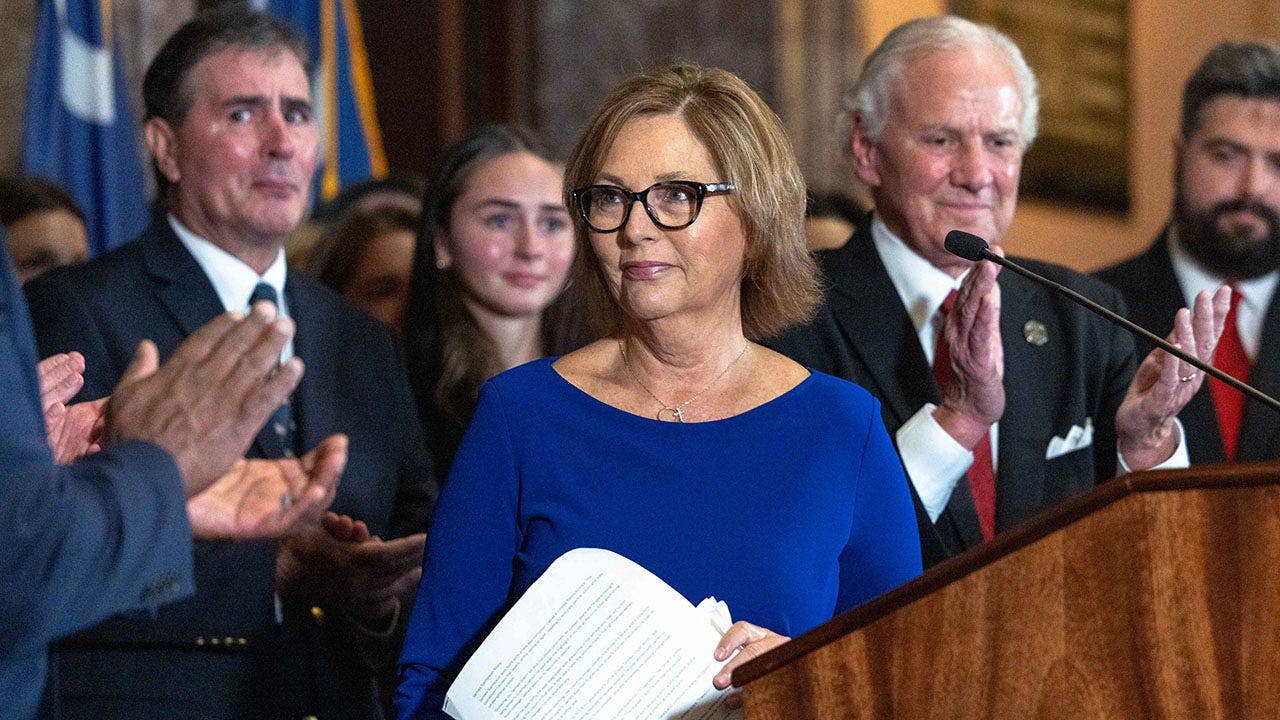
South Carolina Gov. Henry McMaster appointed Darline Graham to fill the U.S. Senate seat vacated by her late brother, Sen. Lindsey Graham. The appointment makes Darline Graham the first woman to serve as a U.S. senator from South Carolina; she will serve until a successor is elected. On ABC's The View, co-hosts Sunny Hostin and Joy Behar criticized the appointment as nepotism and labeled it an example of 'DEI' hiring, questioning whether Graham's background—Hostin noted she is a certified optician—qualified her for the Senate. Co-host Alyssa Farah Griffin defended the appointment as a caretaker arrangement and compared it to other recent Senate appointments. McMaster's office responded, citing legal authority under South Carolina law to fill the vacancy and noting Graham's nearly 30 years of public service, including work as commissioner of the South Carolina Commission for the Blind and roles with Clemson University and state workforce and rehabilitation agencies. The governor's office said the state Republican nomination process for the special election will proceed with filing in late July, a primary on Aug. 11, and a potential runoff Aug. 25. Graham pledged to support the president and continue her brother's work during her interim service.
Biblical Reflection
The discussion reflects two legitimate civic concerns: whether political appointments are made for competence and public service, and how appointment procedures shape democratic legitimacy. Hostin’s critique focuses on qualifications and the optics of appointing a family member; McMaster’s office emphasizes legal authority and Graham’s record of state-level public service. Christians should weigh assertions against verified facts: Graham’s resume includes decades in state service beyond private practice as an optician, so broad claims that she is unqualified oversimplify reality. At the same time, the charge of nepotism draws attention to how power is transferred and perceived. Spiritually, the episode reveals how partisan lenses can turn questions of qualification into accusations of bad faith. Pastoral discernment asks us to seek truth (accurate assessment of experience and duties), practice charity in public discourse (avoid demeaning language that treats people as political symbols), and insist on accountable processes (transparent criteria for appointments and swift, fair elections). Christians can hold leaders accountable without abandoning mercy, remembering that public trust is strengthened by fair scrutiny, clear standards for officeholders, and civil conversation.
Scripture in context
This outlook does not yet include contextual Scripture citations. Do not treat a general biblical theme as an exegetical conclusion.
Faithful Response
No prescribed response is offered. Consider the reflection prompts below in your own church context.
Reflection and Discussion
- 1Are critiques focused on documented qualifications and process, or are they primarily rhetorical labels that inflame partisanship?
- 2How does the use of appointments (versus elections) affect public trust, and what standards should Christians expect for temporary officeholders?
- 3When public figures are criticized, how can Christians model truthful scrutiny combined with respect and restraint?
Sources
Reporting links are evidence inputs; Sanctuary News' biblical reflection is commentary.
This outlook currently relies on fewer than two linked sources. Broaden verification before teaching from it.
- 1.Original reportprimary