News Summary
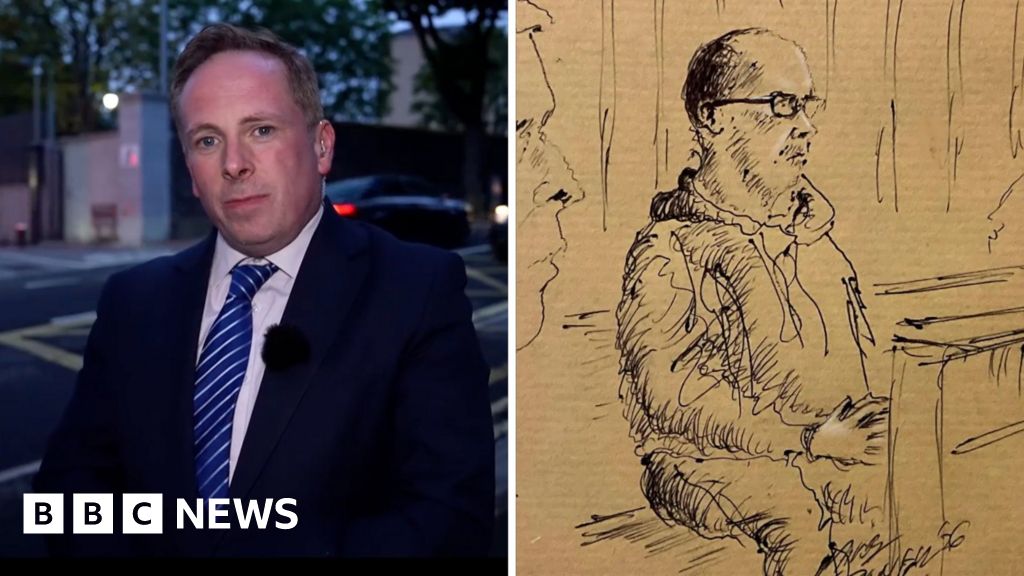
Reported facts: Daniel Kinahan, aged 49, was extradited from Dubai to Dublin and appeared at the Special Criminal Court where he was charged with directing a criminal organisation and remanded in custody; the article quotes him saying he expects no bail. Attributed claims: the BBC cites the UK National Crime Agency's assessment that the Kinahan cartel has trafficked tonnes of drugs and firearms globally for more than 20 years. Uncertainty: the article does not provide court documents, charging papers, extradition paperwork, or independent corroboration of trafficking quantities beyond the NCA attribution.
Source and Framing Analysis
The BBC report is a single primary media account summarising a court appearance and citing the UK National Crime Agency for broader claims about the cartel's activities. Material uncertainties include the absence of direct links to charging documents or official extradition details in the piece and reliance on an agency claim for the scale and duration of criminal activity.
Biblical Reflection
This development is a reminder that the rule of law is central to protecting communities from violence and exploitation. The detention and charging of an individual alleged to lead a violent criminal network is an appropriate task of civic authorities; Christians should pray for the justice system to act with integrity and fairness so that truth is established in court rather than in headlines. At the same time, we must remember the human cost behind summaries like "trafficked tonnes of drugs": addiction, family breakdown, and community harm are real consequences that require both legal action and restorative care.
The Gospel calls us to oppose evil and to love our neighbour. That means supporting efforts that reduce violence and hold perpetrators accountable, while also advocating for victim support, prevention programs, and pathways away from crime. Christians should resist reveling in the fall of a suspected crime boss; rather, we should ask how our communities can be safer and how those harmed can find healing. Finally, exercise humility: public reports can conflate allegation and proof—our hope is for truth to be established in the courtroom and for repentance and restoration where possible.
Scripture in context
- 1Romans 13:1-4 — Paul addresses Christians living under governmental authorities, advising submission to governing rulers because they are instituted to maintain order and punish wrongdoing; in its historical context Paul was urging behavior that avoided unnecessary conflict with civil authorities. — This passage supports cooperating with lawful efforts to restrain violence and punish criminal acts, while also reminding Christians that ultimate moral accountability belongs to God and that civil authority should be exercised justly.
Faithful Response
Pray for victims, investigators, judges, and for due process to be followed.
Support local victim‑assistance and rehabilitation programs that address the harms caused by drug trafficking and gang violence.
Resist sensationalism: wait for court outcomes before assuming final guilt and avoid spreading unverified details.
Encourage local churches to offer pastoral care to families affected by organised crime and to partner with community programs aimed at prevention.
Reflection and Discussion
- 1How does this report challenge or confirm your assumptions about the role of government in restraining violent crime?
- 2Where should Christians draw the line between rejoicing in the enforcement of law and showing compassion for those harmed or ensnared by criminal systems?
- 3What concrete steps can faith communities take to support victims while also addressing root causes of organised crime?
Sources
Reporting links are evidence inputs; Sanctuary News' biblical reflection is commentary.
This outlook currently relies on fewer than two linked sources. Broaden verification before teaching from it.
- 1.How Kinahan's hearing unfolded inside the courtroom in Dublinprimary_reporting