News Summary
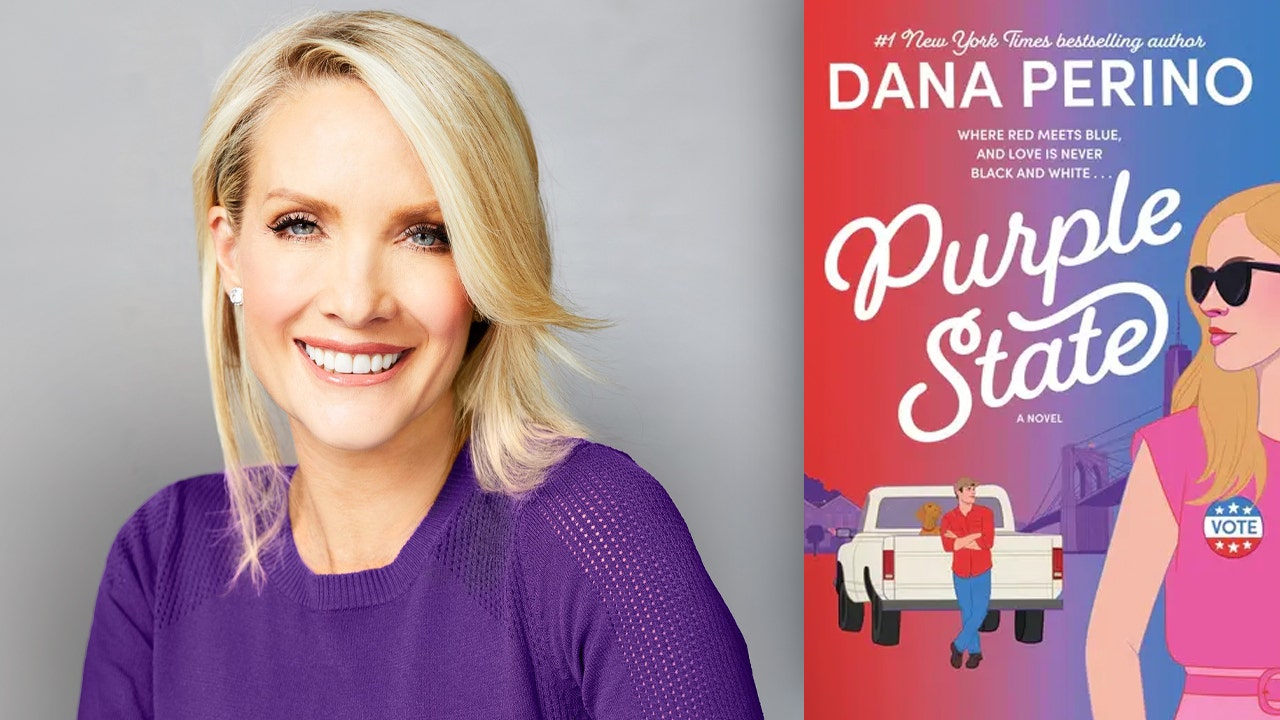
Fox News columnist and anchor Dana Perino announces her first novel, Purple State, with pre-orders available and an April 21 release. The novel follows three women — Dot, Mary and Harper — over the course of a year as they leave Manhattan to live in Wisconsin, confront quarter-life crossroads, and become deeply involved in a political campaign. Perino frames the story as an illustration of lessons she presented in her earlier mentoring book, Everything Will Be Okay (published March 9, 2021), emphasizing themes that include character over circumstance, small consequential decisions shaping a life, the costs of living by principle, the risks love requires, and the idea that life's biggest choices are personal rather than political. The column positions Wisconsin as a symbolic "purple state" representing ideological middle ground and argues the novel offers optimism and practical guidance for young adults navigating uncertainty. The piece also functions as promotional material for Perino's book and her media presence on Fox News.
Biblical Reflection
What this article communicates — and what Christians should notice — is a dual emphasis: the moral formation of the individual and the value of relationship and love as primary anchors in life. Scripture often calls us to inward character (who we are when no one is looking) and to love our neighbor, so Perino’s focus on integrity, small decisions, and sacrificial relationships resonates with biblical priorities. At the same time, this is an opinion/marketing piece shaped to highlight reconciliation and centrism (the "purple" metaphor) and to reassure readers weary of partisan conflict. That framing carries two potential blind spots: (1) an individualist logic that may understate the ways structural injustice and public policy shape neighbors’ lives, and (2) the promotional context — packaged optimism that simplifies complex social realities to a feel-good narrative. A faithful Christian response holds both truths: personal holiness and character matter (we must tend our hearts and choices), but the call to love also includes communal responsibility and public engagement on matters of justice, mercy and the common good. Evaluate the article as encouragement toward personal virtue, but do not let the soothing center-line rhetoric detach you from biblical demands to seek justice, love mercy, and serve the vulnerable in public life (Micah 6:8).
Scripture in context
This outlook does not yet include contextual Scripture citations. Do not treat a general biblical theme as an exegetical conclusion.
Faithful Response
No prescribed response is offered. Consider the reflection prompts below in your own church context.
Reflection and Discussion
- 1Does the article’s claim that "life’s biggest choices are personal, not political" encourage responsible character formation, or does it risk minimizing the community and policy dimensions of stewarding our neighbors well?
- 2How does the "purple state" / centrism framing shape which stories are highlighted and which are sidelined — whose needs become private problems rather than public responsibilities?
- 3When a media figure uses story and reassurance to sell optimism, what healthy boundaries should Christians keep between personal encouragement and political disengagement?
Sources
Reporting links are evidence inputs; Sanctuary News' biblical reflection is commentary.
This outlook currently relies on fewer than two linked sources. Broaden verification before teaching from it.
- 1.Original reportprimary