News Summary
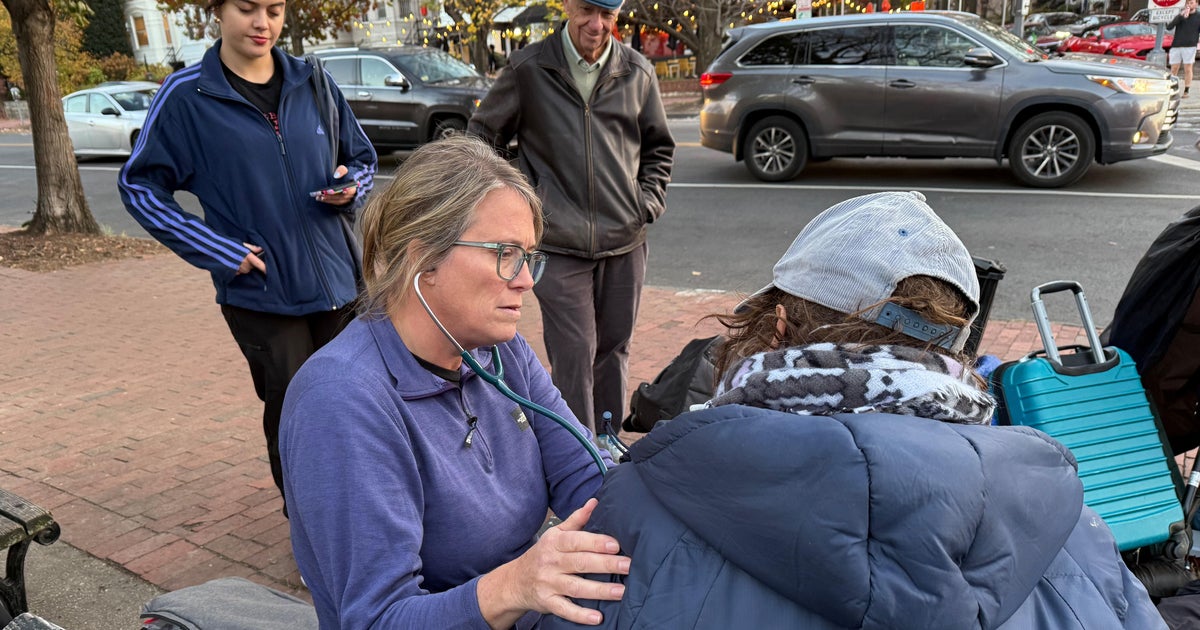
The article describes the lives of homeless individuals in Washington, D.C., following a federal crackdown ordered by President Trump, which included the deployment of the National Guard and encampment sweeps aimed at removing visible homelessness from the city. While the administration claims these actions have made the city safer and more attractive, the reality is that homeless people have been forced into hiding, making it harder for caseworkers and healthcare providers to locate and assist them. Many have lost their possessions, medications, and connections to essential services, leading to worsening health, increased risk of untreated chronic illnesses, addiction, and mental health issues. The crackdown has also led to the displacement of homeless individuals to neighboring states and has increased strain and costs on the healthcare system. Despite some efforts to increase shelter capacity, the city lacks adequate permanent housing solutions, and funding cuts threaten to worsen the crisis. Advocates and service providers warn that these policies are exacerbating homelessness, not solving it.
Biblical Reflection
From a scriptural and Christian perspective, this article reveals a profound tension between public policy aimed at order or aesthetics and the biblical mandate to care for the vulnerable. Scripture consistently calls for compassion, justice, and mercy toward the poor, the stranger, and those on the margins. The forced displacement, destruction of personal belongings, and barriers to medical care run counter to Christ’s teachings about loving our neighbor and seeing the image of God in every person (Matthew 25:35-40). While government has a responsibility to maintain public order, the means employed—prioritizing appearances over people’s wellbeing, and using force rather than service—stand in stark contrast to the biblical example of servant leadership and sacrificial love. The consequences described—increased illness, suffering, alienation, and death—should grieve the Christian conscience. Christians are called to advocate for policies that affirm human dignity, provide tangible help, and seek justice for the oppressed. This article is a sobering reminder that a society’s treatment of its most vulnerable is a spiritual barometer, and that true greatness is found not in how we beautify our cities, but in how we care for 'the least of these.'
Scripture in context
This outlook does not yet include contextual Scripture citations. Do not treat a general biblical theme as an exegetical conclusion.
Faithful Response
No prescribed response is offered. Consider the reflection prompts below in your own church context.
Reflection and Discussion
- 1In what ways might I be 'out of sight, out of mind' toward those suffering in my own community?
- 2How can I advocate for or participate in efforts that affirm the dignity and meet the needs of the homeless?
- 3What does it mean to love my neighbor in situations where public policy seems at odds with Christ’s compassion?
Sources
Reporting links are evidence inputs; Sanctuary News' biblical reflection is commentary.
This outlook currently relies on fewer than two linked sources. Broaden verification before teaching from it.
- 1.Original reportprimary