News Summary
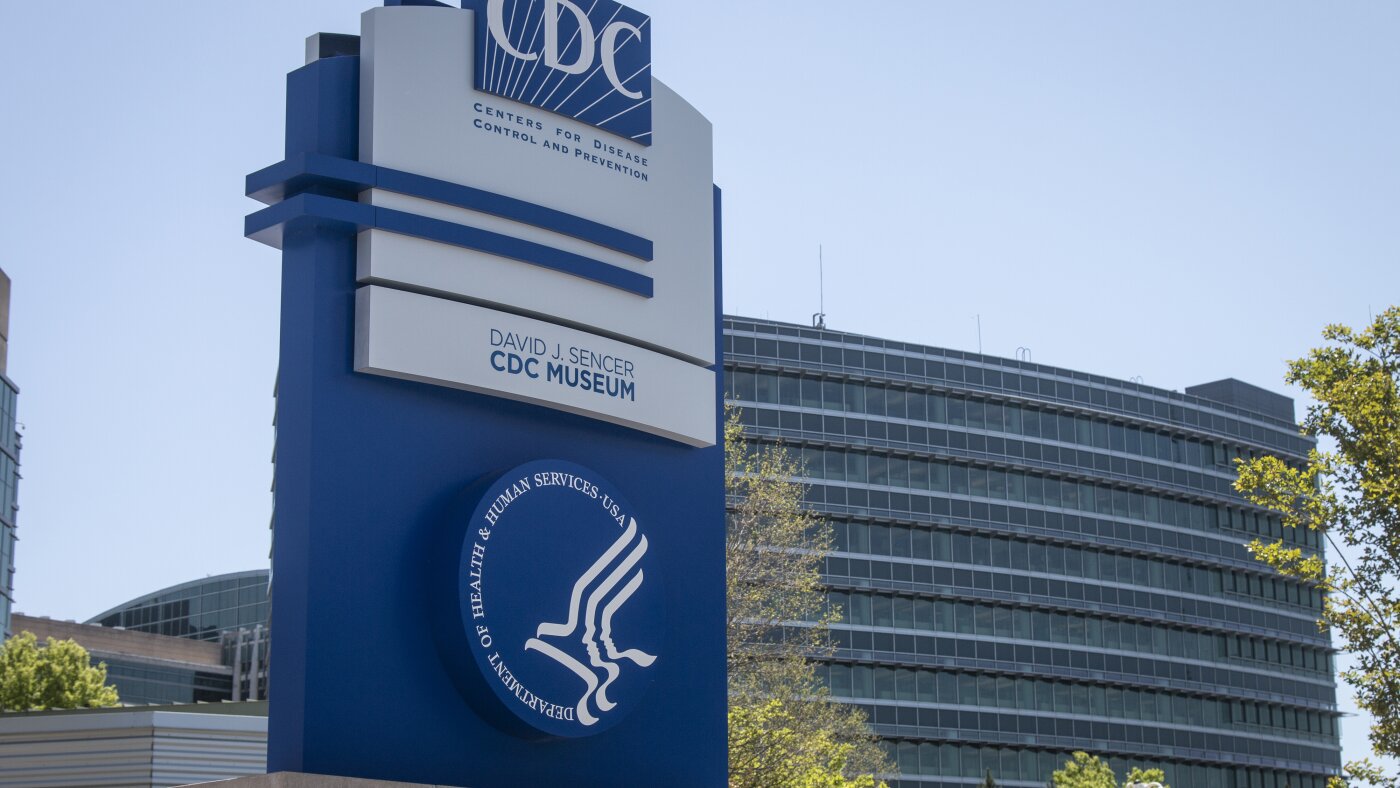
Federal health authorities are investigating a multi-state outbreak of cyclosporiasis caused by the parasite Cyclospora. As of the most recent CDC update, 31 states have reported cases and the CDC has received reports of 843 cases; the true number is likely higher because of reporting lags and differences in state reporting (for example, Michigan reported 1,562 cases as of Friday). Nationwide there have been 86 hospitalizations and no deaths reported. Illnesses have been reported across the country since May, with notable increases in the Midwest and Northeast (including Michigan and New York). Symptoms include diarrhea, nausea, fatigue and possible dehydration. Cyclospora is typically acquired by consuming contaminated food or water; past U.S. outbreaks have been linked to fresh produce such as raspberries, basil, cilantro, snow peas and lettuce. The incubation period can range from about two days to two weeks or more, which complicates source identification. Public-health investigators are interviewing sick people to trace exposures. Health officials advise washing produce, practicing standard food-handling hygiene, and cooking produce (heating to 158°F or higher kills the parasite). Cyclosporiasis is usually treated with prescribed antibiotics; people with severe diarrhea or dehydration are urged to seek medical care.
Biblical Reflection
This report reflects a legitimate public‑health concern rather than political or cultural drama: a foodborne parasite is causing widespread illness and investigators are still trying to identify the source. The article responsibly notes limits of surveillance (reporting lags and undercounting) and cites established prevention steps and treatment. From a Christian perspective, the piece calls for truthful communication, patience with ongoing investigations, and practical care for vulnerable neighbors. Christians should neither amplify panic nor minimize risk; instead, we can support public-health efforts, wash and prepare food responsibly, help those sick or isolated, and resist quick blame of growers or suppliers until evidence is clear. The situation also raises questions about systemic responsibility for safe food supply chains and how communities protect the medically vulnerable—areas where gospel-shaped compassion and advocacy are appropriate.
Scripture in context
This outlook does not yet include contextual Scripture citations. Do not treat a general biblical theme as an exegetical conclusion.
Faithful Response
No prescribed response is offered. Consider the reflection prompts below in your own church context.
Reflection and Discussion
- 1Are we responding with measured caution and accurate information, or with fear and speculation that harms people and producers?
- 2How does our commitment to loving our neighbor shape practical choices—like food handling, caregiving, and support for affected workers and families—during a public‑health outbreak?
- 3What structures (regulation, inspection, worker protections) might need attention so future foodborne outbreaks cause fewer people to suffer?
Sources
Reporting links are evidence inputs; Sanctuary News' biblical reflection is commentary.
This outlook currently relies on fewer than two linked sources. Broaden verification before teaching from it.
- 1.Original reportprimary