News Summary
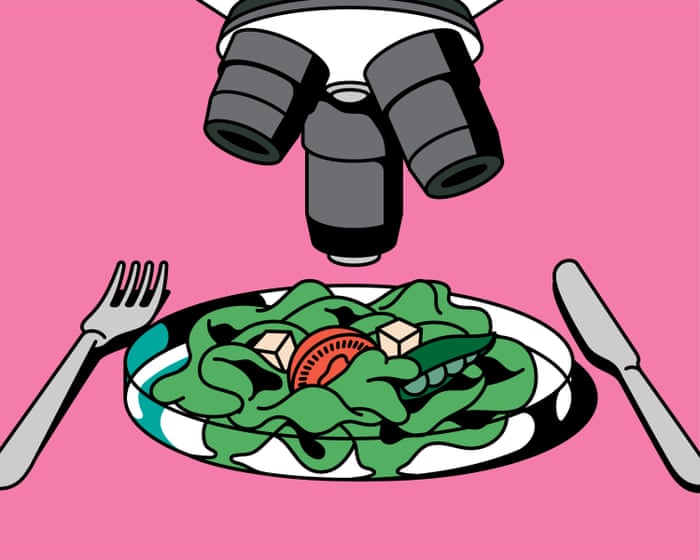
Reported facts: The Guardian published an opinion piece by Dave Schilling describing anxiety about Cyclospora contaminating fresh produce and noting the FDA is searching for contamination sources. The article names Taylor Farms in relation to a reportedly retracted positive test and suggests cilantro and other fresh produce may be affected. Attributed claims: The author asserts Cyclospora has caused “thousands” of illnesses, that the parasite is hard to eliminate with normal sanitation, and that contamination can result from fecal matter entering irrigation systems due to poor worker hygiene. Uncertainty: The article is an opinion column that uses humor and hyperbole; it does not cite primary epidemiological data, official FDA releases, or lab reports to verify the specific counts, laboratory results, or the sequence of the FDA’s statements about Taylor Farms.
Source and Framing Analysis
The piece is an opinion/humor column and intentionally uses hyperbole, sarcasm, and cultural critique to make a point about food choices and system failures. That framing amplifies emotional response and reduces the presence of supporting primary evidence. Material uncertainties that affect the story include the actual number of cases, confirmed epidemiological links to particular suppliers or produce items, and public-agency communications (timing and content of any retracted test results). Because only one opinion piece is supplied, independent verification is lacking; readers should look for FDA statements, CDC outbreak reports, and supplier communications for firm facts.
Biblical Reflection
This article mixes genuine public-health concern with satire and personal frustration. From a Christian perspective, the situation raises two immediate responsibilities: seek and speak truthfully about actual risks, and show compassionate care for those harmed. The writer’s alarm about contaminated produce points to a real public-health issue—foodborne parasites can cause prolonged suffering—so Christians should support calm, fact-based public guidance and care for the sick.
At the same time, the piece’s hyperbolic tone and blame-focused language risk scapegoating workers or companies without full evidence. Biblical wisdom calls us to pursue justice and truth together: press for transparent investigations and regulatory accountability, but avoid fear-driven reactions that punish vulnerable people (such as farmworkers) or spread unsupported claims. Prayerful, practical responses—caring for the ill, advocating for safer working conditions and reliable testing, and practicing prudent food safety—express neighbor-love in this moment.
Finally, Christians should resist despair or cynicism about food, stewardship, and public institutions. Stewardship of our bodies and of those who grow our food includes asking hard questions of supply chains and regulations while maintaining mercy and humility toward those who suffer and those trying to respond.
Scripture in context
- 1Matthew 25:35-40 — In its literary context this passage emphasizes care for marginalized persons (the hungry, sick, imprisoned) and presents such care as service to Christ himself. The teaching appears within a judgment discourse where acts of mercy are the criterion for vindication. — This passage prompts Christians to prioritize practical care for those made ill by foodborne outbreaks—offering help to the sick, supporting affected families, and advocating for policies that protect vulnerable workers and consumers.
Faithful Response
Pray for those who are sick and for honest, clear public communication.
Follow guidance from public-health authorities about foods to avoid and safe food-handling practices rather than responding to fear-driven rumors.
Support local charities, food banks, or congregational ministries that care for those who lack resources to cope with illness or lost income.
Advocate for worker protections, transparent testing, and stronger food-safety practices that reduce contamination risks.
Reflection and Discussion
- 1Are we responding from well-sourced information and compassion, or from fear and sensationalism?
- 2How might Christians advocate for both consumer safety and the dignity and protection of farmworkers implicated in contamination risks?
- 3What practices of communal care can our local church mobilize quickly when a public-health issue threatens members?
Sources
Reporting links are evidence inputs; Sanctuary News' biblical reflection is commentary.
This outlook currently relies on fewer than two linked sources. Broaden verification before teaching from it.
- 1.I tried so hard to become a salad eater. Now cyclospora is sending me back to burgers | Dave Schillingprimary_reporting