News Summary
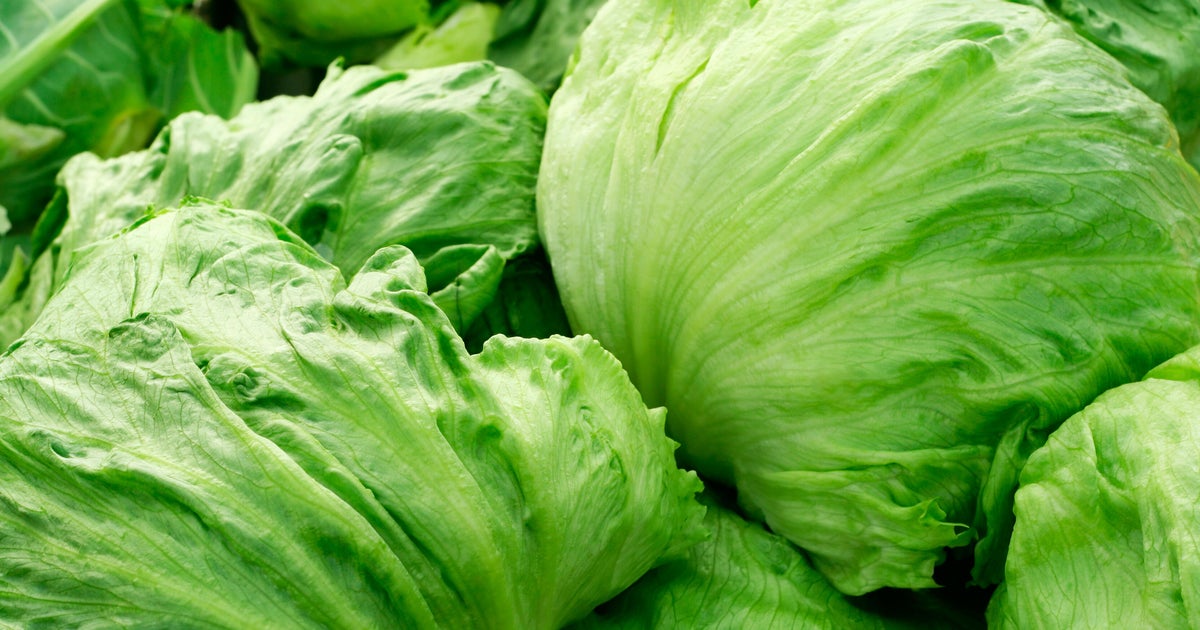
CBS News reports that a cyclosporiasis outbreak linked to iceberg lettuce has expanded into four more states and is affecting nine states in total; the article calls it the nation's largest such outbreak but supplies no case counts, state names, hospitalization data, recall information, or detailed source tracing.
Source and Framing Analysis
The story is framed around expansion and the implicated product (iceberg lettuce) but omits granular evidence needed to assess risk (case numbers, which states, timeline, supply-chain details, and official confirmations). The framing highlights urgency but leaves key factual gaps that materially affect public response.
Biblical Reflection
This report highlights an ordinary but serious reality: our bodies and communities are vulnerable to unseen threats that spread through everyday things—food, water, and casual contact. Christian concern for truth calls us to press for accurate information from public-health authorities so we can protect the weak and act responsibly. Mercy requires practical care—checking official recalls, following hygiene guidance, and assisting those who become ill or isolated because of sickness.
We should also watch for fear or sensationalism. The article's language ("nation's largest") raises urgency, but the lack of concrete details invites amplification beyond the evidence supplied. Christians are called to a steady witness: seek the facts, avoid spreading unverified alarm, and prioritize neighborly care. Practically, that means following public-health directives, helping vulnerable neighbors (elderly, immunocompromised), and using trusted sources for updates rather than social rumor.
Finally, this is a reminder of stewardship and justice: systems that produce and distribute our food must be accountable and safe. Christians who value neighbor-love should support transparency, advocate for food-safety measures that protect the vulnerable, and respond with compassion where harm has occurred.
Scripture in context
- 1Luke 10:25-37 (Parable of the Good Samaritan) — In its literary context, the passage is a narrative Jesus used to define 'neighbor' through the actions of a Samaritan who shows practical mercy to a wounded stranger, contrasting religious duty with concrete compassionate action. — The passage teaches that Christian response to suffering is practical and neighbor-centered: seek accurate information, provide care to those harmed, and overcome social distance or convenience to help vulnerable people affected by illness.
Faithful Response
Monitor and rely on official sources (CDC, state health departments, FDA) for updates and recalls before sharing information widely.
Practice and promote food-safety hygiene (handwashing, proper produce washing to the extent recommended by authorities) and avoid consuming products that are under official recall or advisory.
Check on and assist vulnerable neighbors (elderly, immunocompromised, those lacking transport) with safe deliveries, information, and accompaniment to health services if needed.
Pray for those affected and for clear guidance for public-health responders; consider supporting community health organizations or food security efforts that care for the ill.
Reflection and Discussion
- 1How does Scripture shape the way we balance urgency and calm when public-health information is incomplete?
- 2Who are the neighbors in our community most likely to be harmed by a foodborne outbreak, and how should that shape our priorities?
- 3What steps will I take to ensure my own information-sharing is responsible and rooted in truth rather than panic?
Sources
Reporting links are evidence inputs; Sanctuary News' biblical reflection is commentary.
This outlook currently relies on fewer than two linked sources. Broaden verification before teaching from it.
- 1.Cyclospora outbreak linked to iceberg lettuce expands to 4 more statesprimary_reporting