News Summary
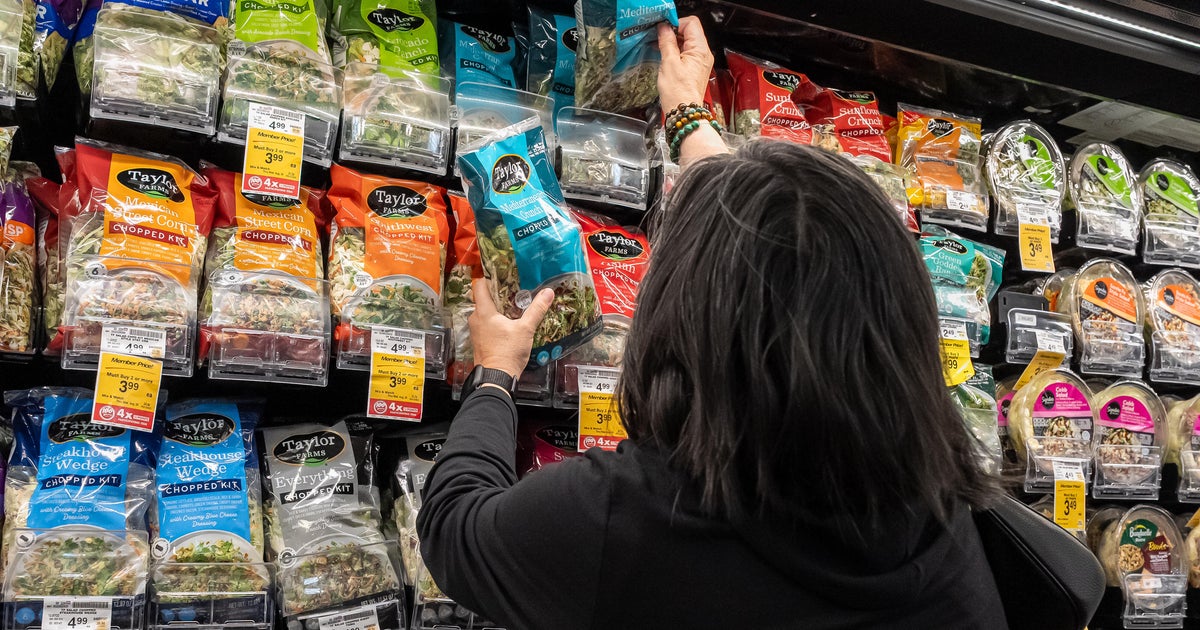
Reported facts: The article reports a cyclospora outbreak in the U.S. and states confirmed cases are approaching 2,000. Attributed claims: The article says many Americans are not convinced the outbreak is under control and applies the informal label "lettuce-gate." Uncertainties: The supplied text does not provide sourcing for the case count, geographic distribution, the specific contaminated food item(s), hospitalizations or deaths, or the basis for the public opinion claim.
Source and Framing Analysis
Material uncertainties that affect the story include the lack of cited official sources in the supplied text (no direct CDC or state health-department statements included) and limited data on where illnesses have occurred, who is most affected, and whether a specific produce item or supplier has been confirmed. The use of a sensational nickname ("lettuce-gate") is a framing choice that can increase attention but may also encourage alarm or partisan reading rather than focusing readers on actionable safety steps and verified public-health guidance.
Biblical Reflection
This story highlights two responsibilities Christians should hold in tension: the call to seek and speak truth, and the call to show mercy to those who are sick or anxious. Public reporting of a contagious foodborne illness raises legitimate questions about safety, transparency, and care for vulnerable people. Christians should press for accurate information from public-health authorities, avoid spreading unverified claims or panic, and prioritize practical care for those affected—offering help to the sick, supporting food workers, and protecting those with weaker immune systems.
Be wary of framing that prizes spectacle over clarity. Nicknames like "lettuce-gate" can sharpen attention but also risk amplifying fear or diverting energy from concrete responses (testing, recalls, clinical guidance, support for sick households). Christian virtue calls for humility about what we know, courage to demand truthful accountability from institutions that affect the common good, and patience to wait for verified data before making public judgments.
Finally, live out neighbor-love by acting practically: check on the elderly and immunocompromised, follow public-health guidance about possible contaminated food, and offer meals or assistance to families hit by illness. Speaking and acting out of truthful information and compassionate service honors the example of Christ and protects the most vulnerable in our communities.
Scripture in context
- 1Matthew 25:35-40 — In this passage Jesus speaks about caring for those in need—feeding the hungry, giving drink to the thirsty, welcoming strangers, clothing the naked, and visiting the sick and imprisoned—explaining that such acts are how people encounter him. The teaching is part of a larger judgment scene emphasizing compassionate action as evidence of faithful discipleship. — When a public-health threat harms neighbors, the passage calls Christians to practical care (checking on the sick, providing food safely, supporting households affected) rather than merely expressing anxiety; it grounds service to vulnerable people as central to faithful living.
Faithful Response
Pray for sick individuals and public-health workers and ask God for wisdom for leaders.
Rely on official public-health sources (CDC, state health departments) for guidance before sharing or acting on claims.
Check on and assist vulnerable neighbors (elderly, immunocompromised), offering safe help (delivered meals, errands) rather than spreading unverified reports.
Encourage church food ministries and communal meals to follow strict food-safety protocols and to communicate transparently about precautions.
Reflection and Discussion
- 1How does the biblical call to care for the sick shape how our church should respond to outbreaks of illness in the community?
- 2In what ways can you practice discernment about health information so your actions reflect truth and protect neighbors?
- 3Are there ways our congregation inadvertently increases fear or confusion, and how could we correct that?
Sources
Reporting links are evidence inputs; Sanctuary News' biblical reflection is commentary.
This outlook currently relies on fewer than two linked sources. Broaden verification before teaching from it.
Download source notes