News Summary
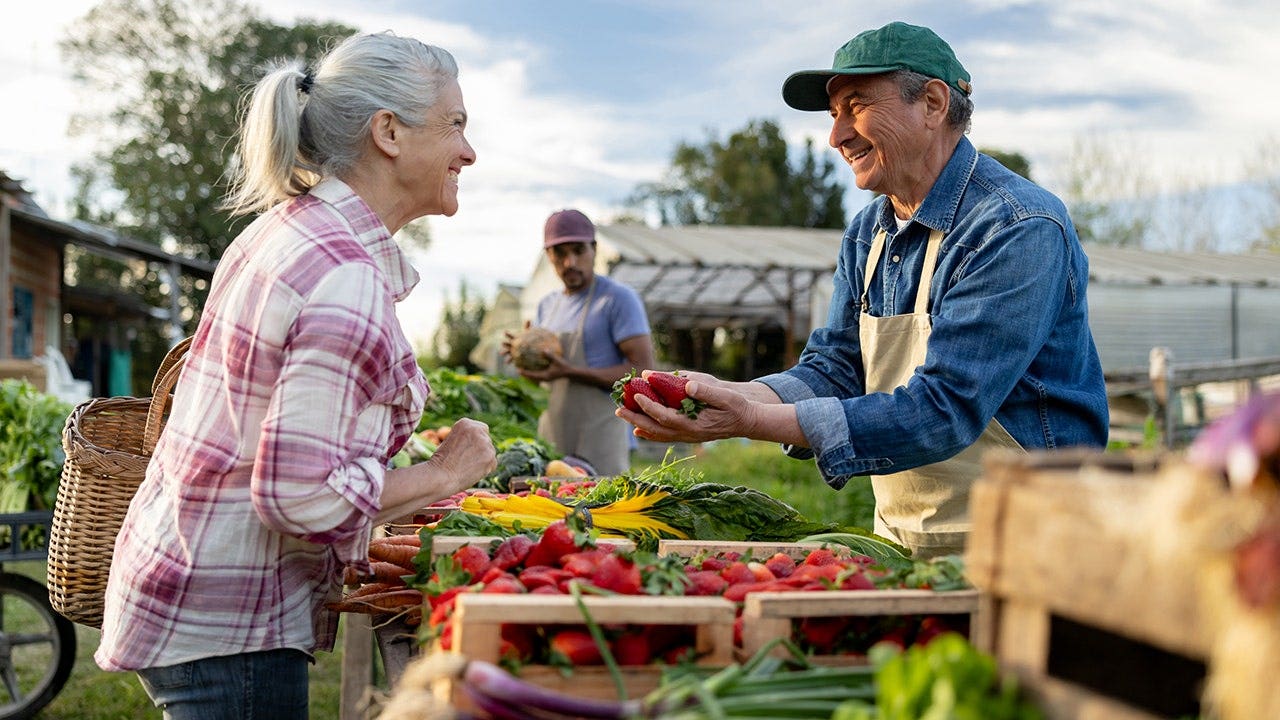
Reported facts: The article quotes NYU Langone gastroenterologist Dr. David Bernstein discussing Cyclospora and Salmonella outbreaks tied to contaminated produce and giving food-safety guidance; it reports that multiple deaths and hundreds of infections have been reported nationwide; it attributes increased demand for locally grown lettuce and rapid sellouts at some Ohio farmers market vendors to consumer concern, citing Axios Columbus. Attributed claims: the link between specific contamination sources and the outbreaks is presented as reported or analyzed by experts. Uncertainties: the piece does not provide primary data (case counts, laboratory confirmations, traceback investigations), nor does it cite health-agency reports directly in the supplied article text.
Source and Framing Analysis
The article combines an expert interview with consumer-behavior reporting and a promotional outlet description at the top. Material uncertainties include the lack of direct citation of CDC/state health department data or official recall/traceback findings, and reliance on a secondary report (Axios Columbus) for the farmers market trend. The framing emphasizes shopper response and local sourcing without documenting the scale or public-health confirmation of contamination for particular produce lots.
Biblical Reflection
Theologically, two scriptural priorities apply: truth and neighbor-love. Truth calls Christians to be careful communicators—distinguish verified facts from early reports and avoid amplifying fear that can harm people economically or socially. Neighbor-love demands practical measures to protect those most at risk: follow public-health guidance, ensure vulnerable household members have access to safe food, and support those whose livelihoods may be disrupted.
There is also a stewardship dimension: responsible consumption and food safety practices are part of caring for creation and community. Local sourcing can be beneficial, but it is not inherently safer; small producers may lack resources for rapid testing or recalls. Christians should therefore advocate for transparent, fair systems that protect public health without needlessly harming small farmers.
Finally, practice humility. Early reporting on outbreaks often changes as investigations progress. Pray for investigators and public-health officials, encourage congregation members to rely on authoritative guidance (health departments, CDC), and resist politicized or panic-driven responses.
Scripture in context
- 1Matthew 25:35-40 — A teaching of Jesus about caring for those in need—feeding the hungry, caring for the sick—delivered in a parable about judgment and compassion. — This passage underscores obligations to care for those harmed by illness and to act compassionately toward vulnerable people during public-health scares, including providing help and ensuring access to safe food and accurate information.
Faithful Response
Follow official public-health guidance (recalls, boil/wash instructions), and check CDC/state health department updates rather than relying solely on social media or single news pieces.
Practice safe food handling at home: thoroughly wash produce, separate raw items, and store foods at safe temperatures.
Support vulnerable neighbors practically—offer to shop for those at higher risk, donate safe food to local food banks, and avoid shaming farmers or workers while seeking accountability where evidence warrants.
Pray for investigators, health workers, farmers, and those who are ill; bring measured information to your community to reduce unnecessary fear.
Reflection and Discussion
- 1How does Scripture shape the way we respond to public-health threats that provoke fear and economic disruption?
- 2In what ways can our community protect the vulnerable without contributing to panic or unfairly harming workers and small producers?
- 3What practices of discernment and humility should guide our conversations about uncertain or developing reports?
Sources
Reporting links are evidence inputs; Sanctuary News' biblical reflection is commentary.
This outlook currently relies on fewer than two linked sources. Broaden verification before teaching from it.
- 1.Cyclospora fears are sending shoppers to farmers markets for local produceprimary_reporting