News Summary
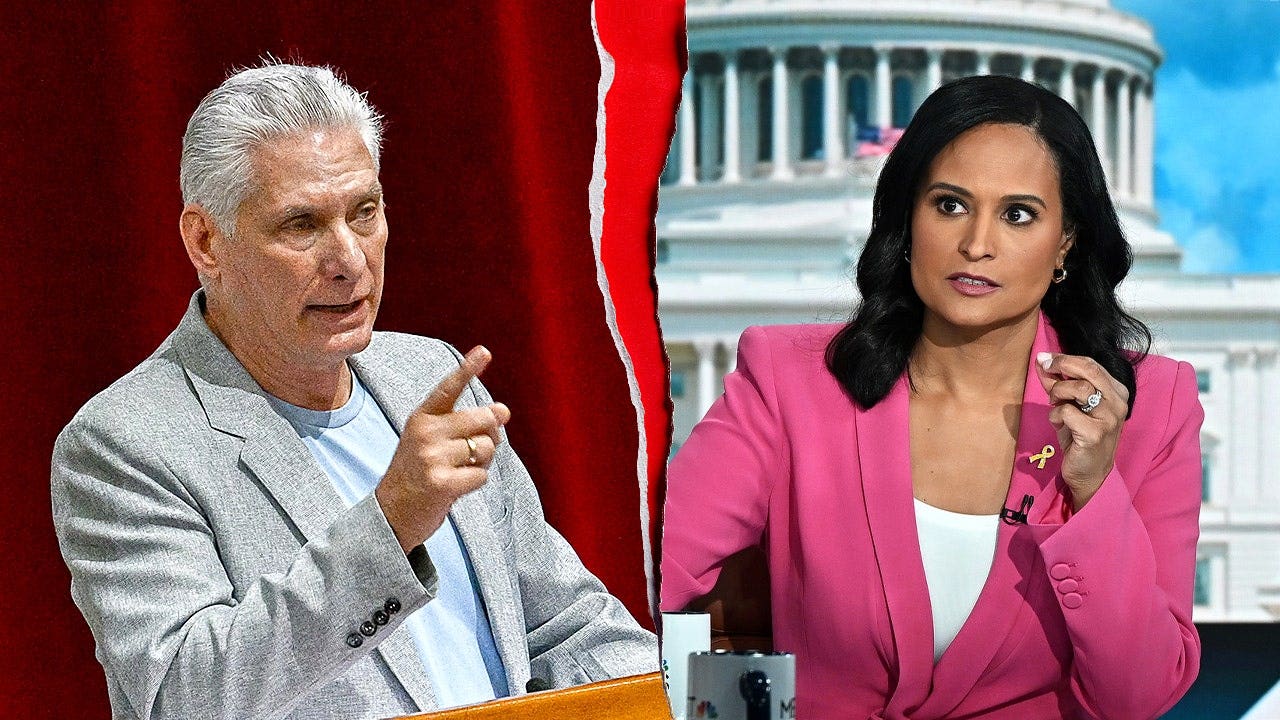
On April 6, 2026, Cuban President Miguel Díaz-Canel was interviewed by NBC News' Kristen Welker on Meet the Press. Welker asked whether Díaz-Canel would be willing to step down if doing so would 'save Cuba,' a demand reportedly raised by the United States in diplomatic discussions. Díaz-Canel, speaking through an interpreter, pushed back, asking whether Welker had posed the same question to other presidents and specifically to U.S. President Donald Trump. He characterized Cuba as a sovereign state with self-determination and said Cuban leaders are elected through processes beginning at the local level and confirmed by the National Assembly. The article notes that Cuba operates under a single-party socialist framework that prohibits organized political opposition, and that human rights groups and analysts criticize Cuba’s electoral process because candidates must belong to the Communist Party. The piece also references reported talks between Cuba and the Trump administration aimed at resolving political differences between Havana and Washington.
Biblical Reflection
A Christian reading should separate rhetorical posturing from underlying realities. The journalist’s question reflects concern about the welfare of ordinary Cubans; Díaz-Canel’s response emphasizes national sovereignty and rejects external demands. Both positions raise legitimate moral questions: the U.S. asking for leadership change in another country tests the line between promoting human rights and imposing political will, while Cuba’s insistence on electoral legitimacy must be weighed against the reality that one-party rules and restrictions on organized opposition limit meaningful political choice. The exchange also includes rhetorical deflection—inviting a comparison to U.S. leaders—which can obscure the specific human-rights and governance issues at stake. Scripture calls Christians to defend the vulnerable and seek justice (Micah 6:8) while respecting truth and avoiding deceit (Ephesians 4:25). Discernment requires evaluating claims about elections and sovereignty against observable practices: formal procedures do not alone establish just governance. Pray for truth, for leaders to govern with justice and mercy, and for media and citizens to pursue honest reporting and sober judgment rather than partisan score-settling.
Scripture in context
This outlook does not yet include contextual Scripture citations. Do not treat a general biblical theme as an exegetical conclusion.
Faithful Response
No prescribed response is offered. Consider the reflection prompts below in your own church context.
Reflection and Discussion
- 1Whose interests are centered by the question asked: the Cuban people’s welfare, a foreign policy objective, or political theater—and how does that shape the moral urgency of the question?
- 2Does asserting national sovereignty excuse practices that limit political freedoms, or does the call to justice in Scripture obligate outside and inside actors to press for greater rights and dignity?
- 3When leaders respond to tough questions by comparing themselves to others, are they addressing the issue raised or deflecting attention from structural concerns that affect ordinary people?
Sources
Reporting links are evidence inputs; Sanctuary News' biblical reflection is commentary.
This outlook currently relies on fewer than two linked sources. Broaden verification before teaching from it.
- 1.Original reportprimary