News Summary
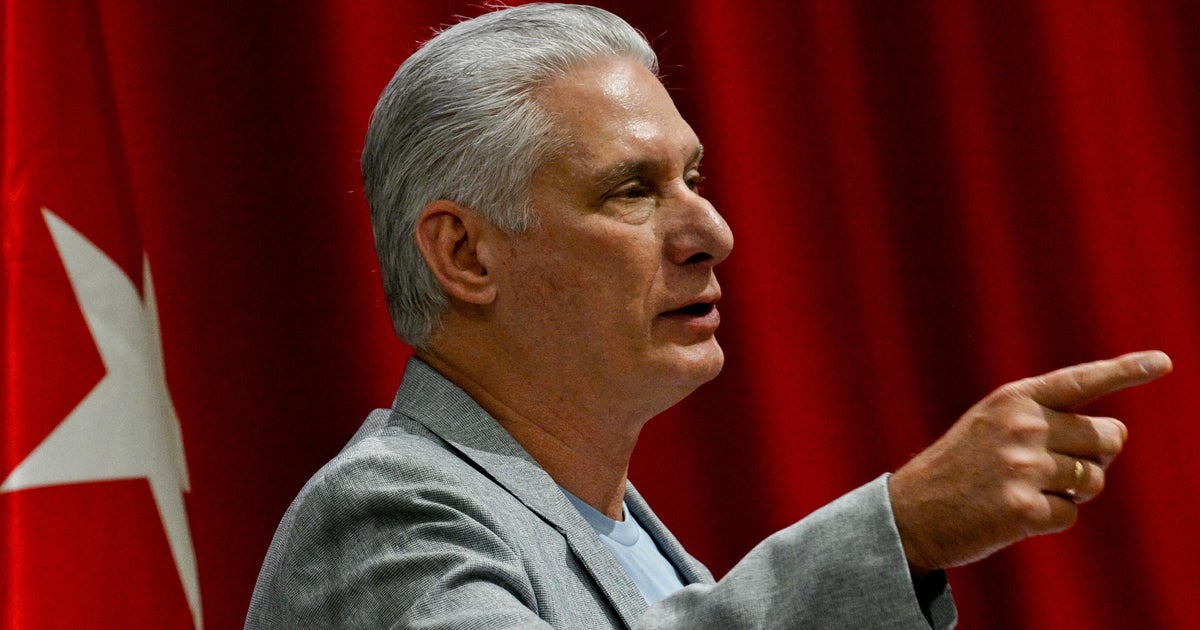
On May 18, 2026, Cuban President Miguel Díaz-Canel said on social media that Cuba “poses no threat” to the United States and has no aggressive intentions toward any country. His statement followed an Axios report that Cuba has acquired roughly 300 military drones reportedly distributed around the country and that Cuban officials had discussed potential plans to strike the U.S. naval base at Guantánamo Bay and Key West, Florida. CBS News noted it has not independently confirmed the details of the Axios report; Cuba has not denied possessing military drones but Díaz-Canel did not specifically reference the drone numbers in his remarks. The article also reports U.S. pressure on Cuba from the current administration, including public statements by former President Trump suggesting Cuba could be targeted next following actions in Venezuela, and notes a recent visit by CIA Director John Ratcliffe to Havana, during which he reportedly demanded fundamental changes and warned Cuba could not be a safe haven for adversaries. The article characterizes U.S. actions as sanctions and other pressures aimed at weakening Cuba’s communist leadership.
Biblical Reflection
From a Christian perspective, this story raises two persistent needs: truth-seeking and peacemaking. First, news reports include an unconfirmed intelligence claim (Axios’s drone report) alongside categorical denials and defensive rhetoric. Christians should resist jumping to conclusions on the basis of unverified reports or partisan framing; Proverbs warns against passing judgment without full knowledge (Proverbs 18:13). Second, both sides are using strong language that can inflame fear and justify escalation. The Christian vocation calls believers to be advocates for truth and restraint — to test claims, pray for honest leadership, and seek nonviolent resolutions where possible. Scripture permits just defense (e.g., protection of the vulnerable) but repeatedly commends restraint, justice, and the pursuit of peace (Matthew 5:9; Romans 12:17-21). Beware two common biases in media and politics: (1) the tendency to magnify enemy intentions from partial intelligence, which can harden hearts and make war more likely, and (2) the use of security threats as a pretext for regime change or geopolitical advantage. As you read this story, hold in tension the legitimate need for national security and the equally serious Christian obligation to pursue peace, protect innocent lives, and insist on verified facts before endorsing aggressive policies.
Scripture in context
This outlook does not yet include contextual Scripture citations. Do not treat a general biblical theme as an exegetical conclusion.
Faithful Response
No prescribed response is offered. Consider the reflection prompts below in your own church context.
Reflection and Discussion
- 1Am I treating unconfirmed intelligence and partisan statements as settled fact, or am I waiting for reliable verification before forming strong judgments?
- 2How might nationalistic or partisan loyalties be shaping my response to reports of military threats, and does that response reflect Christlike commitment to peace and truth?
- 3What evidence would distinguish legitimate defensive preparation from rhetoric used to justify preemptive or punitive action, and how should Christians weigh that distinction?
Sources
Reporting links are evidence inputs; Sanctuary News' biblical reflection is commentary.
This outlook currently relies on fewer than two linked sources. Broaden verification before teaching from it.
- 1.Original reportprimary