News Summary
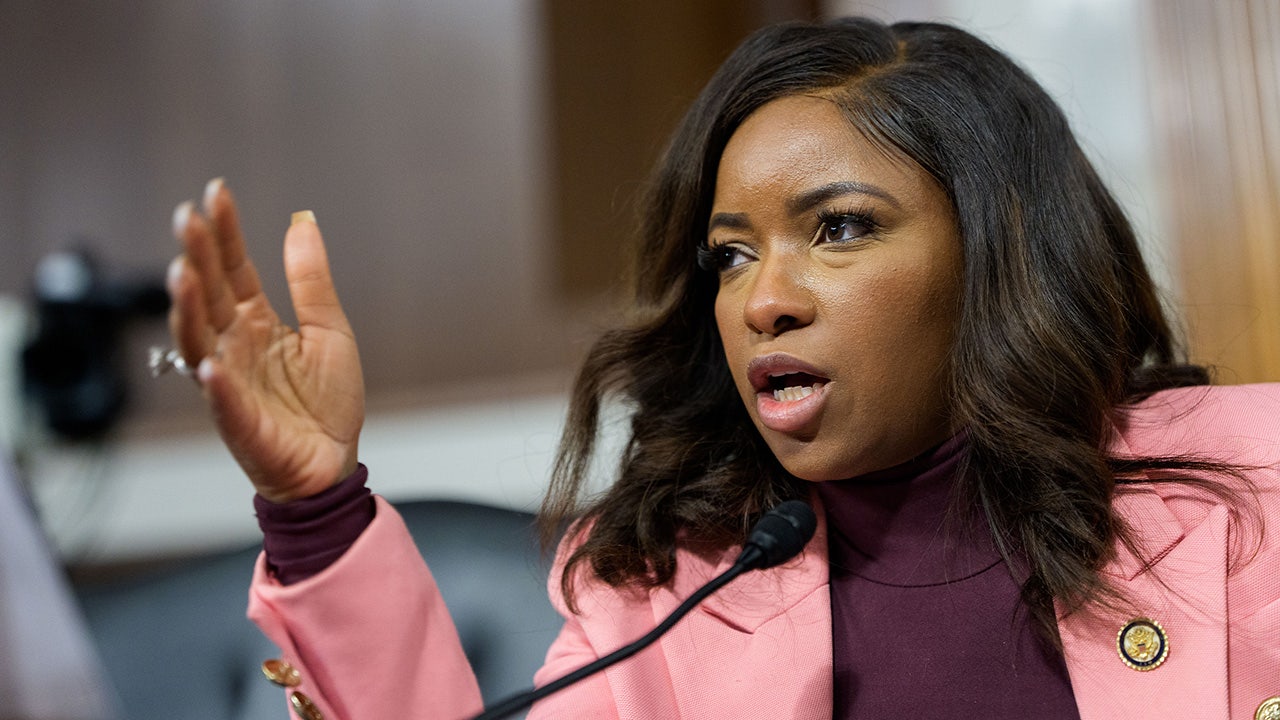
At a House hearing about the Southern Poverty Law Center's funding and tax-exempt status, Rep. Jasmine Crockett (D-Texas) sharply criticized Republicans for calling Alveda King, a niece of Martin Luther King Jr., to testify. Crockett accused Republicans of being a predominantly white party that used King as a partisan prop to deflect accusations of racism and suggested other members of the King family would better represent Dr. King's legacy. Alveda King responded that Crockett had implied she was a "bastard to the King family legacy," affirmed her family lineage, and said she was emotional. Committee Chairman Jim Jordan ended Crockett's time and yielded to Rep. Russell Fry, who gave King an opportunity to speak; Crockett left the hearing before King could respond at length. The article notes Crockett cited an assertion about President Trump’s 2017 Charlottesville remarks that the piece describes as debunked. Rep. Wesley Hunt, another Black Republican on the dais, also questioned SPLC leadership earlier in the hearing.
Biblical Reflection
This account highlights how race and family legacy can become instruments in partisan conflict. The immediate intentions on the floor were political: members sought to challenge or defend the SPLC and to shape public perception. The tactic of calling a relative of a civil-rights icon risks reducing a person and a legacy to a prop for a partisan argument, which undermines honest engagement and respect. The article itself uses emotionally charged phrasing and selective detail that can amplify polarization; readers should note where language escalates judgment (e.g., "erupted," "ranted") and where contested factual claims appear. From a Christian perspective, truth and charity should govern public discourse: seek accuracy, avoid using people as symbols, and preserve the dignity of those involved while pressing for justice and accountability. Critique and accountability are legitimate, but they must be exercised with humility and commitment to factual integrity.
Scripture in context
This outlook does not yet include contextual Scripture citations. Do not treat a general biblical theme as an exegetical conclusion.
Faithful Response
No prescribed response is offered. Consider the reflection prompts below in your own church context.
Reflection and Discussion
- 1Are public figures and media treating individuals—especially those connected to historical figures—as persons with dignity, or as symbolic tools for a political point?
- 2Where might partisan framing be obscuring facts, and how can I verify contested claims before accepting them?
- 3Does the tone and language used in reporting push me toward anger or toward measured, fact-based concern?
Sources
Reporting links are evidence inputs; Sanctuary News' biblical reflection is commentary.
This outlook currently relies on fewer than two linked sources. Broaden verification before teaching from it.
- 1.Original reportprimary