News Summary
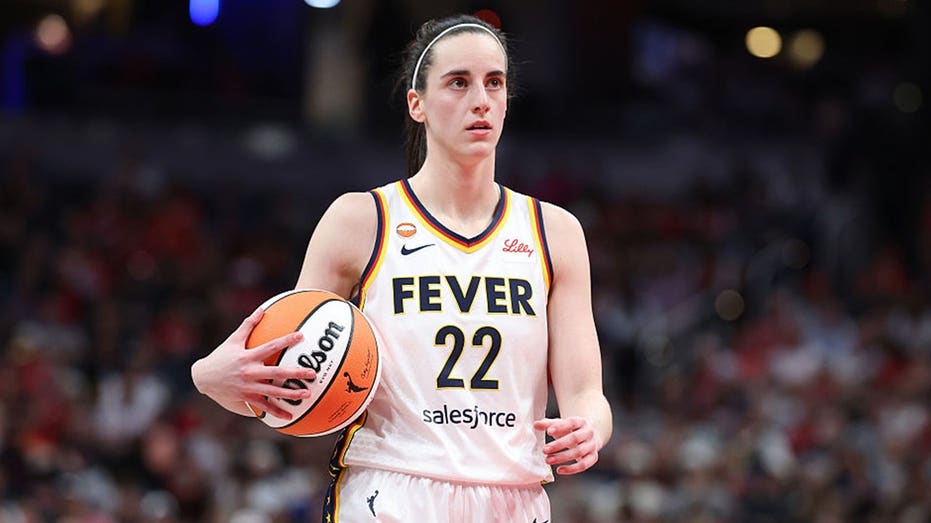
Reported facts: Fox News published an opinion article criticizing USA Today columnist Nancy Armour for comparing Caitlin Clark's interactions with WNBA officials to Emmett Till. Attributed claims: Fox News asserts that Armour's comparison exemplifies political bias and failing standards in sports media. Uncertainty: the supplied report does not include the original Armour column's full text or quotations, nor responses from Armour, USA Today, Caitlin Clark, or WNBA officials, leaving the precise wording and context unverified.
Source and Framing Analysis
The story rests on a single secondary report (Fox News) summarizing and condemning another journalist's column; the underlying primary text (Armour's column) is not supplied. That gap creates material uncertainty about context, tone, and exact wording. Framing is critical here: the Fox piece is evaluative and uses a negative framing ('disastrous'), which colors readers' perception without providing the original column for independent judgment.
Biblical Reflection
Words shape how communities understand suffering, justice, and reputation. The reported comparison — equating a contemporary sports-media dispute to the lynching and racial terror of Emmett Till — raises two pastoral concerns: the risk of minimizing real historical atrocity by loose analogy, and the tendency in public discourse to use heated rhetoric to score cultural points rather than seek truth or repair harm. Christians are called to speak truthfully and charitably; when public commentators invoke extreme historical suffering, they must do so with responsibility, humility, and awareness of the victims' dignity.
At the same time, callouts of media bias matter because journalism influences civic formation. Criticism of a columnist should seek factual accuracy, proportionality, and fair context. We should avoid reflexive amplification of outrage that lacks evidence; likewise, we should hold public voices accountable when they weaponize moral language. Practically, this means pressing for the original text and context before passing judgment, listening to those harmed by careless comparisons, and acting with both courage and mercy when confronting false or harmful speech.
For believers, the incident is a reminder to model alternative practices: careful attention to facts, restraint in analogies that risk trivializing real suffering, willingness to confess and correct errors, and prioritizing neighbor-love over partisan persuasion. Christian virtue calls us to repair relationships through truthful speech, compassionate listening, and pursuit of justice that honors the memory of the truly wronged.
Scripture in context
- 1James 3:1-12 — James addresses the moral and spiritual significance of the tongue in a first-century Jewish-Christian community, warning that small parts of the body (the tongue) can cause great harm and that speech should reflect wisdom and holiness. — The passage calls readers to careful, controlled speech; applied here, it urges journalists and commentators to recognize the power of words, avoid reckless comparisons that wound, and pursue speech that builds up rather than harms.
Faithful Response
Do not share or amplify claims about the comparison until you read the original column and relevant context.
Pray for those directly affected—the columnist, the athlete, and communities tied to historical trauma—and seek to honor victims by resisting trivializing analogies.
Engage calmly: if you choose to critique media, do so with specific evidence, request correction when warranted, and model restorative conversation rather than partisan attack.
Reflection and Discussion
- 1When you encounter a charged media claim, what concrete steps will you take to verify context before forming or sharing a judgment?
- 2How does the Christian commitment to justice and mercy shape your response to rhetoric that invokes historical suffering?
- 3In what ways should our church model different habits of public speech than those we see in polarized media?
Sources
Reporting links are evidence inputs; Sanctuary News' biblical reflection is commentary.
This outlook currently relies on fewer than two linked sources. Broaden verification before teaching from it.
- 1.Nancy Armour's disastrous Caitlin Clark article exemplifies why sportswriting and sports media is failingprimary_reporting