News Summary
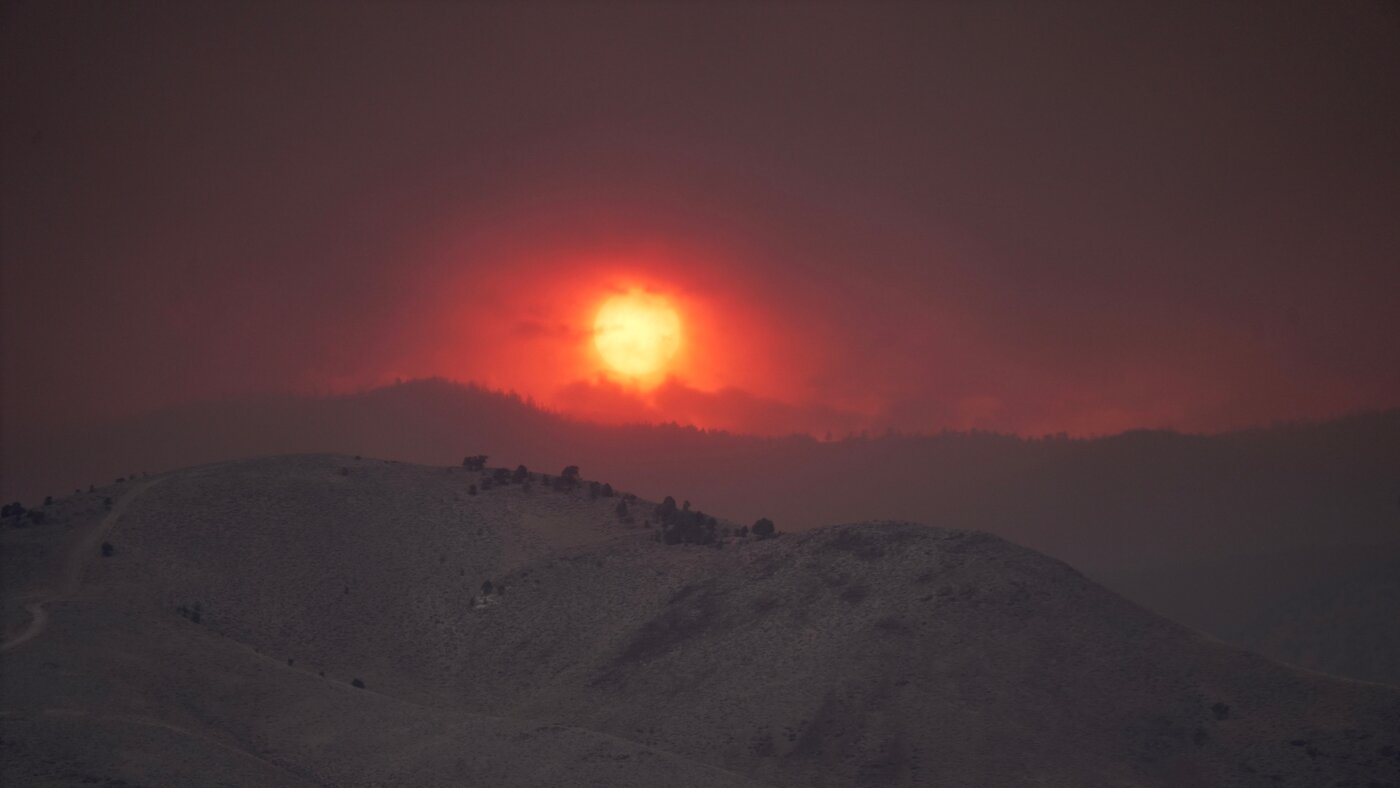
The National Weather Service in Salt Lake City issued a rare "particularly dangerous situation" red flag warning for parts of Utah because of a combination of high winds, very low humidity and high temperatures. Critical fire weather is expected through the weekend and complicates suppression efforts on the Cottonwood Fire, a large, uncontained wildfire burning in sparsely populated southern Utah. Incident managers temporarily pulled crews from the line and grounded helicopters and other firefighting aircraft because of gusts near 45 mph, single-digit humidities, and very low fuel moistures (2–8 percent). The fire has burned an area larger than Salt Lake City and remains uncontained. The Intermountain West is experiencing widespread drought after an unusually dry winter and record-low snowpack that melted early. Utah Gov. Spencer Cox issued an emergency order restricting fireworks for the Fourth of July due to strained firefighting resources. The article notes that most U.S. wildfires are started by humans and cites a recent study finding annual burned acreage has increased substantially since 1985, attributing larger, more destructive fires in part to climate change and legacy forest management practices that have left forests overgrown.
Biblical Reflection
The article presents a factual account of dangerous weather and operational challenges facing wildfire responders; its inclusion of scientific findings about rising burned acreage and links to warming and fuel conditions aligns with mainstream research, though the specific cause of the Cottonwood Fire itself is not reported. From a Christian perspective, this story invites sober attention to stewardship and neighbor-love: protecting people and the land God entrusted to us requires both immediate courage and long-term responsibility. The state’s precautionary steps (firework restrictions) reflect prudence and care for vulnerable communities and responders. Christians should watch for narratives that simplify complex causes into single explanations or that use disasters primarily for political gain; instead, seek truth, support those on the ground, and advocate policies that reduce future harm without losing mercy for those affected. The report rightly balances the natural role of fire in some ecosystems with evidence that human-driven climate shifts and past management choices have increased destructive fires, calling Christians to humility about our impact and to practical action that protects neighbors and creation.
Scripture in context
This outlook does not yet include contextual Scripture citations. Do not treat a general biblical theme as an exegetical conclusion.
Faithful Response
No prescribed response is offered. Consider the reflection prompts below in your own church context.
Reflection and Discussion
- 1What evidence does the article present for human-driven climate and management contributions to larger fires, and what important details about local causes or responsibilities are left unreported?
- 2How does the language of emergency and risk influence public acceptance of restrictions and resource allocation, and what does that reveal about our priorities for protecting vulnerable communities?
- 3In what ways should Christian stewardship shape our response to increasing wildfire risk—balancing immediate relief for those harmed with long-term care for the land and community resilience?
Sources
Reporting links are evidence inputs; Sanctuary News' biblical reflection is commentary.
This outlook currently relies on fewer than two linked sources. Broaden verification before teaching from it.
- 1.Original reportprimary