News Summary
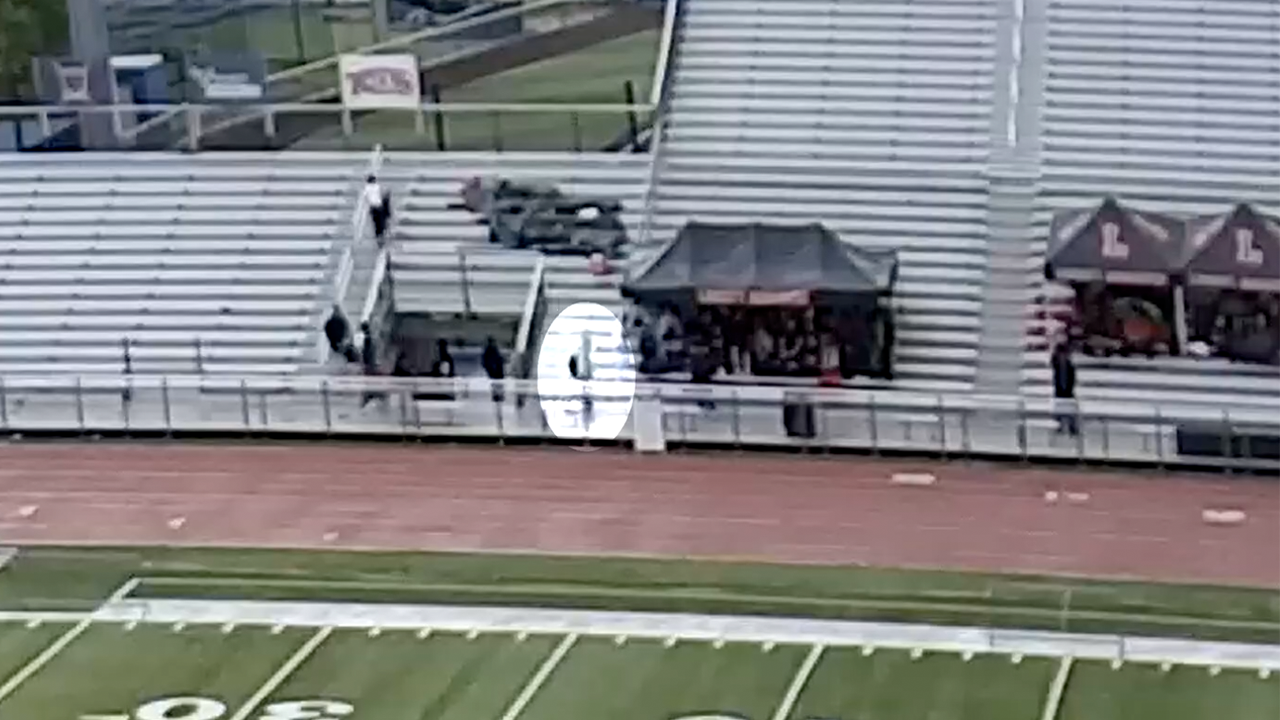
Collin County court released surveillance, body-worn camera footage, photographs, 911 audio and other trial exhibits after the conviction of Karmelo Anthony for the April 2, 2025 stabbing death of 17-year-old Austin Metcalf at a Frisco, Texas high school track meet. The footage includes video of Anthony walking by team tents, fleeing a tent after the stabbing, officers taking him into custody on the track, and images of the alleged weapon (a folding pocketknife) and a blood-soaked jacket. Anthony admitted to stabbing Metcalf but claimed self-defense; prosecutors presented the knife and other forensic evidence and argued against that claim. A jury convicted Anthony of first-degree murder; he was sentenced to 35 years and will be eligible for parole after serving half the sentence. Released materials also include a 911 call in which bystanders describe a severely wounded Metcalf receiving compressions and paramedics arriving. Collin County Judge John Roach authorized the release after the trial, citing transparency now that proceedings have concluded. Metcalf’s family and others have said the footage contradicts claims circulated online that Anthony was jumped or attacked by multiple students prior to the stabbing.
Biblical Reflection
From a Christian perspective, the facts demand both a pursuit of justice and pastoral care. The public release of evidence serves a legitimate public-interest purpose: it helps establish an accurate record and counters misinformation. At the same time, graphic images and rapid online commentary can dehumanize those involved and inflame public anger; Christians should be wary of appetite for sensational detail and resist turning real people into symbols. The reporting centers on legal accountability — a conviction and prison sentence — which aligns with the biblical call to hold wrongs to account while also recognizing the dignity of every person, including offenders. Claims of self-defense were disputed by prosecutors and jurors; the released evidence narrows disputed narratives, but the coverage also shows how quickly rumors spread and how social media can shape public perception before facts are known. Pastoral wisdom here calls for truth-seeking, sorrow for the victim and his family, measured concern for community safety, and a refusal to celebrate another’s dehumanization. Christian response should include grieving with those who mourn, supporting measures that reduce youth violence and teach nonviolent conflict resolution, and praying for restorative pathways where possible even amid rightful legal consequences.
Scripture in context
This outlook does not yet include contextual Scripture citations. Do not treat a general biblical theme as an exegetical conclusion.
Faithful Response
No prescribed response is offered. Consider the reflection prompts below in your own church context.
Reflection and Discussion
- 1How does the public release of graphic evidence affect the dignity of victims and accused persons, and how should Christian communities respond when such images circulate?
- 2What narratives took hold online before the evidence was public, and what does that reveal about our tendency to form judgments under emotional pressure?
- 3How can schools and communities better teach de-escalation and conflict resolution to prevent brief confrontations from ending in irreversible violence?
Sources
Reporting links are evidence inputs; Sanctuary News' biblical reflection is commentary.
This outlook currently relies on fewer than two linked sources. Broaden verification before teaching from it.
- 1.Original reportprimary