News Summary
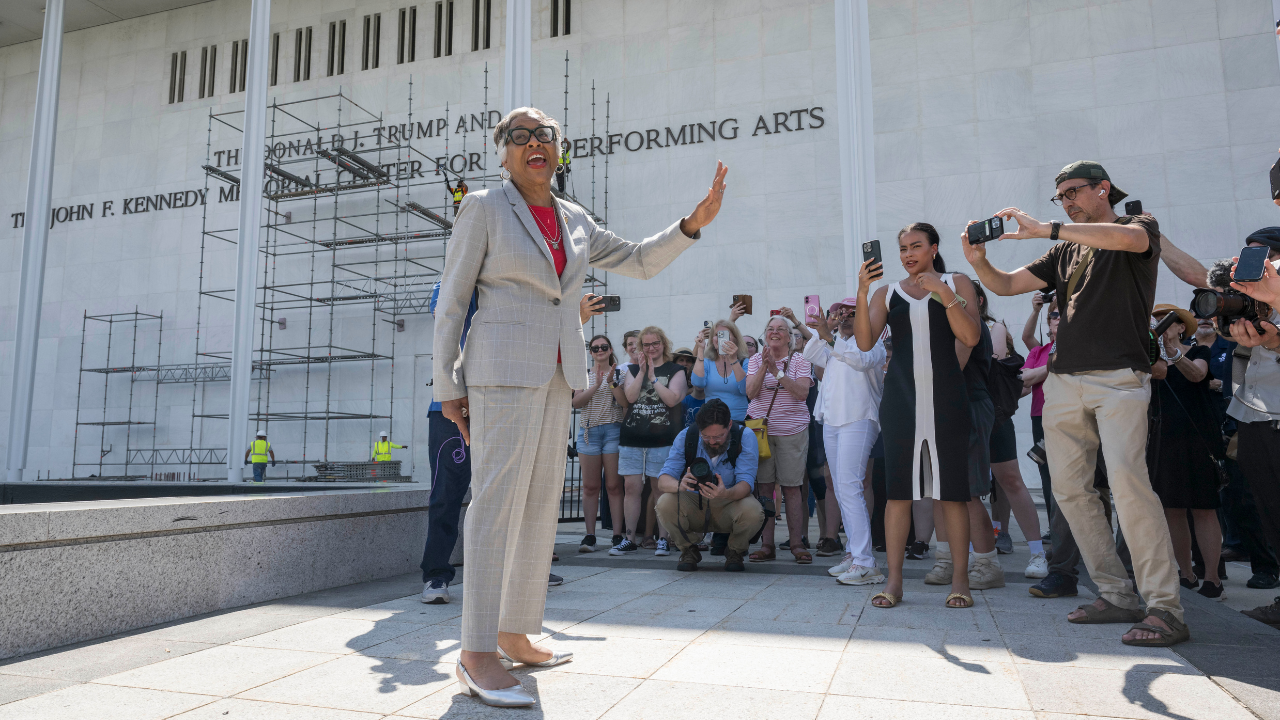
Rep. Joyce Beatty filed suit in December 2025 challenging the Kennedy Center board’s December decision to add Donald Trump’s name to the building. After a federal court review, U.S. District Judge Christopher Cooper issued an order that prevented the Center from beginning a planned two-year renovation closure and directed that Trump’s name be removed; workers began removing the signage on June 13, 2026. Beatty’s legal team alleges the current board, with Trump as chairman, has refused to take steps to resume programming and is effectively planning to close the Center to performances by July 5, 2026 — a claim characterized in filings as turning the venue into a “lifeless husk.” Kennedy Center lawyers replied that the court order did not explicitly require immediate resumption of canceled programming and said management will present options for reopening, including full closure, partial closures with some performances, or a phased repair plan. The dispute follows actions by the new board since early 2025, including replacing trustees, electing Trump chair, firing the previous president Deborah Rutter, and stripping ex officio members of voting rights.
Biblical Reflection
This story centers on governance, stewardship of a public cultural institution, and the collision of political power with the arts. Factually, the court removed the name and blocked a planned long closure; Beatty’s charge that leadership is allowing the Center to become a “lifeless husk” is an allegation in ongoing litigation and reflects political stakes as much as programmatic concerns. Christians should notice two tensions: the need for truthful reporting and the impulse to weaponize civic institutions for political gain. The First concern is truth — the article mixes court orders, legal claims, and partisan statements; discerning readers should separate judicial findings from litigants’ rhetoric. The second is stewardship and neighbor-love — public arts centers exist to serve communities, sustain artists, and host education; decisions that curtail access or demoralize staff have real human costs. Pastoral discernment calls us to demand transparency, fair process, and care for those affected (employees, artists, and patrons), while resisting partisan simplifications. The article’s framing leans on partisan actors and charged language; evaluate contested claims (like plans to close) by looking to court documents and institutional plans rather than quotes alone. Ultimately, Christians can advocate for justice and common good — insisting that public resources and cultural venues be governed with humility, accountability, and a concern for the vulnerable people whose livelihoods depend on them.
Scripture in context
This outlook does not yet include contextual Scripture citations. Do not treat a general biblical theme as an exegetical conclusion.
Faithful Response
No prescribed response is offered. Consider the reflection prompts below in your own church context.
Reflection and Discussion
- 1Which parts of the story are court findings versus partisan claims, and how does that difference change how we judge the situation?
- 2How does politicizing a public cultural institution affect artists, staff, and the wider community who rely on its programs?
- 3Are leaders demonstrating stewardship, transparency, and humility, or prioritizing control and symbolic victories?
Sources
Reporting links are evidence inputs; Sanctuary News' biblical reflection is commentary.
This outlook currently relies on fewer than two linked sources. Broaden verification before teaching from it.
- 1.Original reportprimary