News Summary
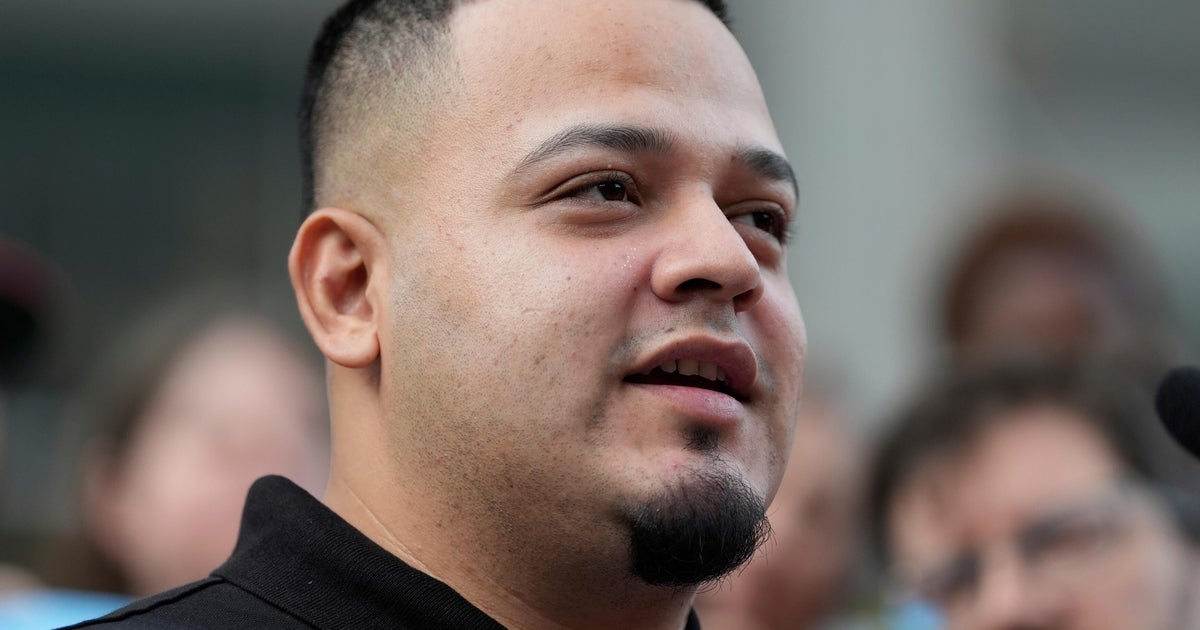
The article discusses newly unsealed court documents that suggest top officials in the Trump administration pushed for the prosecution of Kilmar Abrego Garcia on smuggling charges only after he legally challenged his deportation to El Salvador. Despite a 2019 court order granting Abrego Garcia protection from deportation, he was removed to El Salvador, where he was imprisoned. After Abrego Garcia sued to challenge his deportation, a federal judge ordered his return to the U.S., and the Supreme Court upheld this decision. Upon his return, he was indicted on federal smuggling charges. His lawyers argue that this prosecution is vindictive, serving as punishment for his legal challenge. The presiding judge has found some evidence suggesting potential vindictiveness and has requested more documents. Abrego Garcia is currently free, residing in Maryland with his family, as the court found no valid deportation order. ICE has stated it does not currently plan to re-detain him unless the court order changes.
Biblical Reflection
Scripture consistently warns against the abuse of power and the perversion of justice. The possibility that government officials may have prioritized criminal charges against Abrego Garcia as retaliation for exercising his legal rights raises serious concerns from a biblical standpoint. The prophet Isaiah warns, 'Woe to those who make unjust laws, to those who issue oppressive decrees' (Isaiah 10:1). The Bible calls for impartiality in justice (Leviticus 19:15) and condemns actions that punish individuals for seeking legal protection or redress. Furthermore, the treatment of foreigners and immigrants is a recurring biblical theme, with God commanding His people to 'love the foreigner residing among you' (Deuteronomy 10:19). If officials indeed acted vindictively, this not only violates legal standards but also runs contrary to Christian ethics of fairness, mercy, and love for the vulnerable. Christians are called to advocate for justice and truth, resisting systems or actions that misuse authority or harm the marginalized.
Scripture in context
This outlook does not yet include contextual Scripture citations. Do not treat a general biblical theme as an exegetical conclusion.
Faithful Response
No prescribed response is offered. Consider the reflection prompts below in your own church context.
Reflection and Discussion
- 1How do I respond when I see power used unjustly, especially against the vulnerable or marginalized?
- 2In what ways can I personally or collectively advocate for justice and mercy for immigrants and those facing legal retaliation?
- 3How does my faith inform my perspective on the fair treatment of those who challenge wrongdoing or seek legal protection?
Sources
Reporting links are evidence inputs; Sanctuary News' biblical reflection is commentary.
This outlook currently relies on fewer than two linked sources. Broaden verification before teaching from it.
- 1.Original reportprimary